EN
EN


Pickleball Court
Pickleball Court: The Perfect Blend of Tennis, Badminton & Table Tennis — Play with Innovation, Precision & Ease.
MOQ: 1 Set
- Overview
- Parameter
- Solutions
- FAQ
- Recommended Products
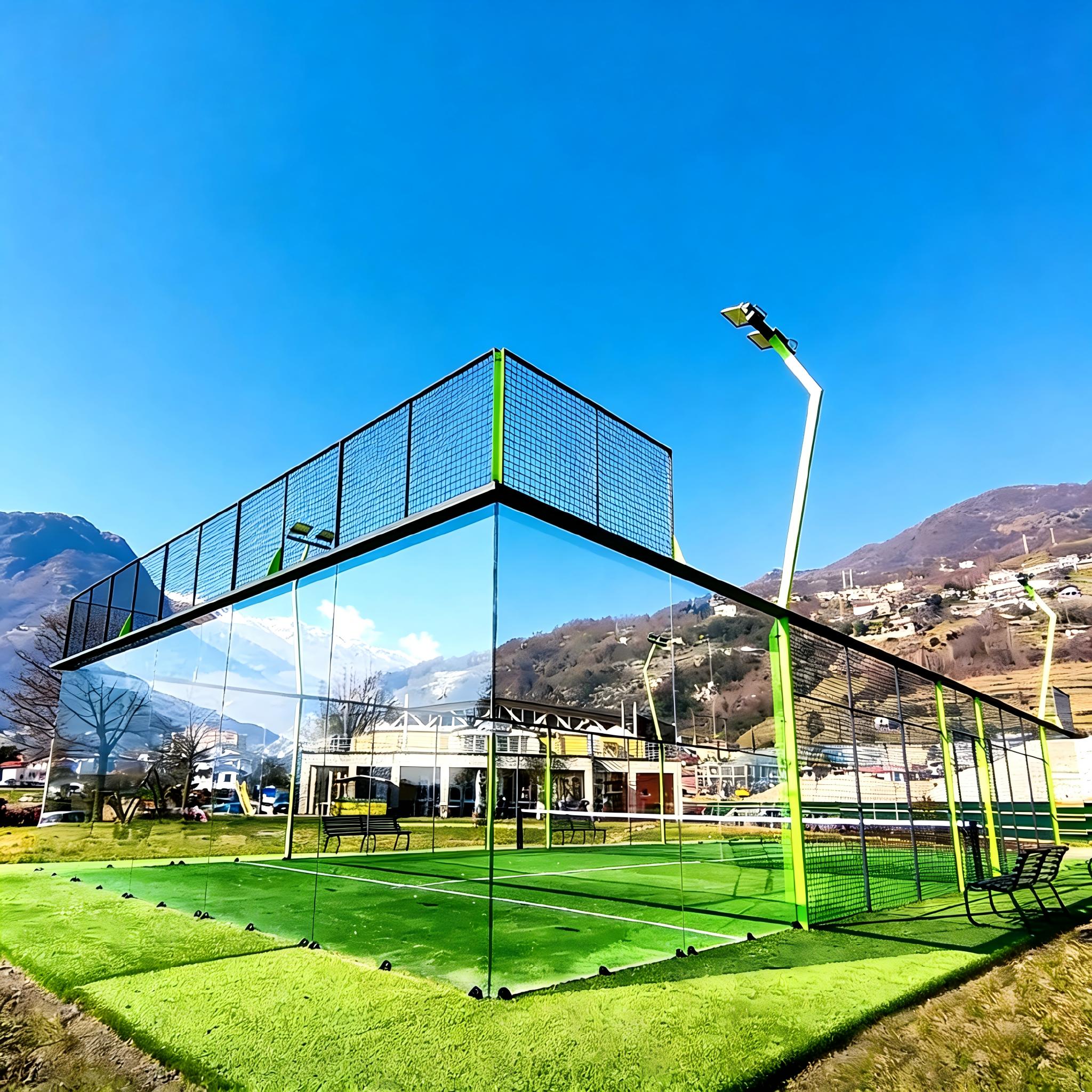
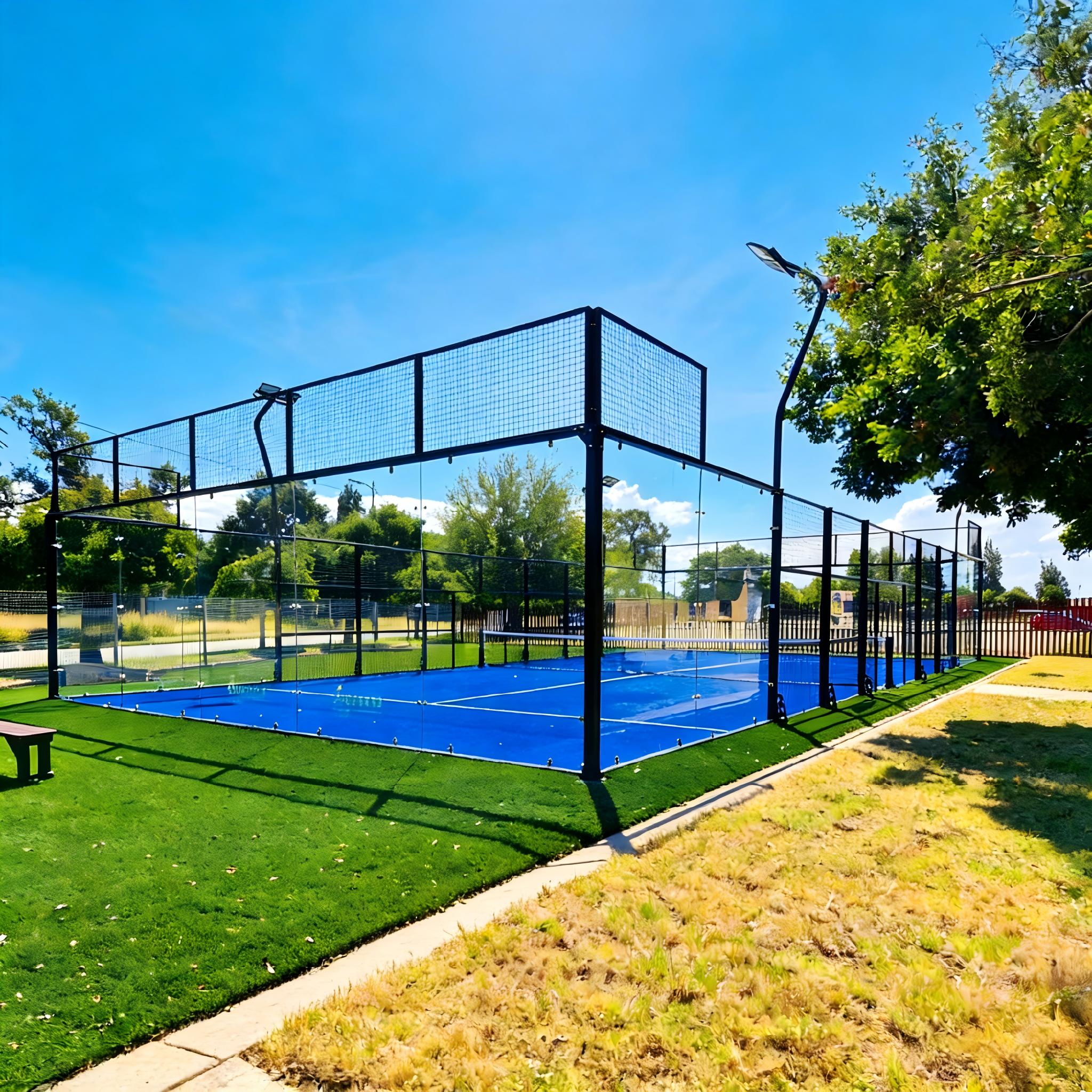
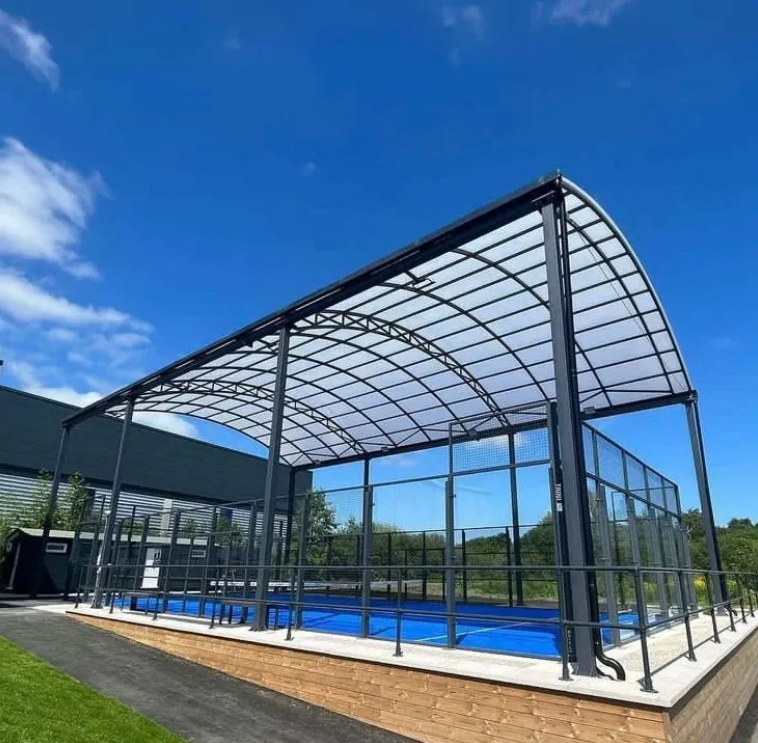
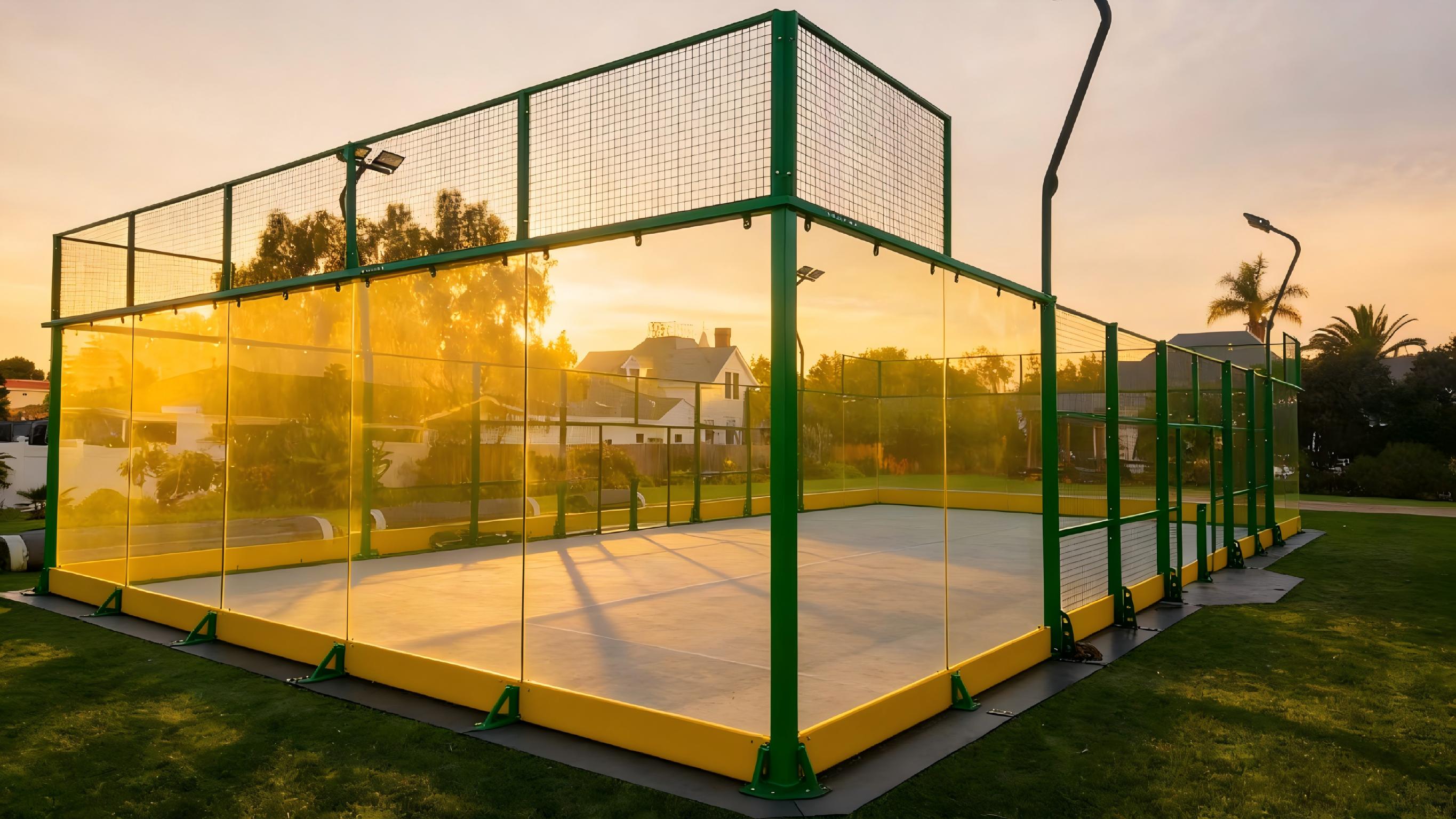
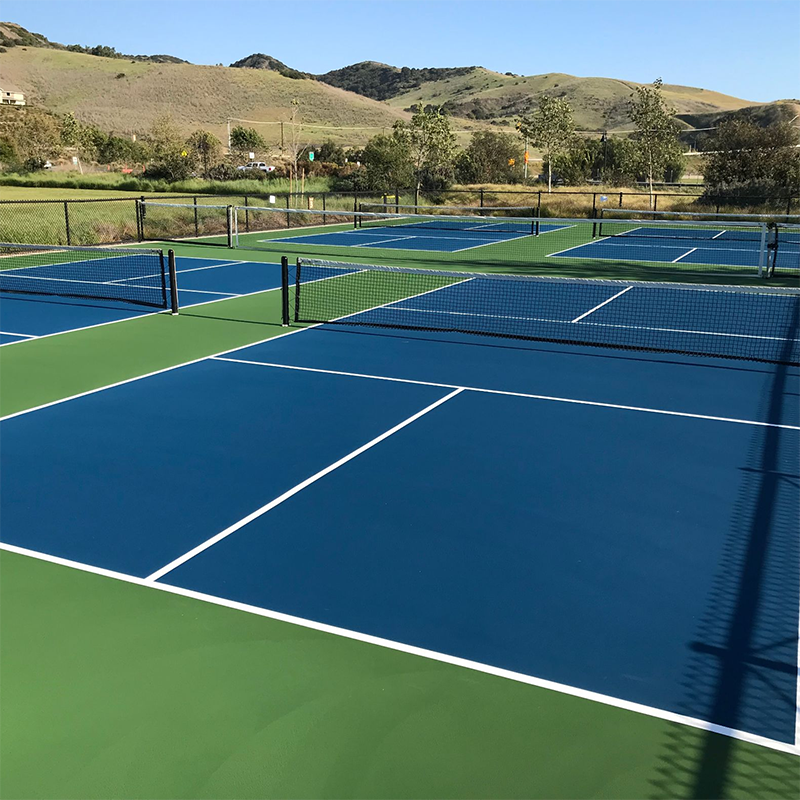
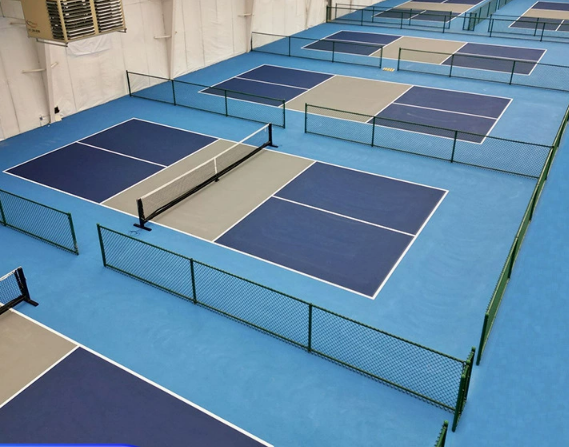
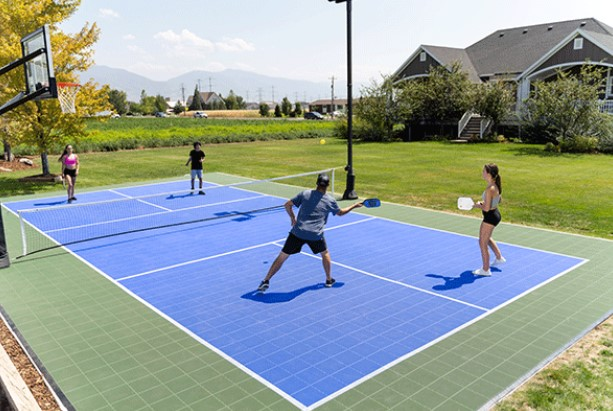
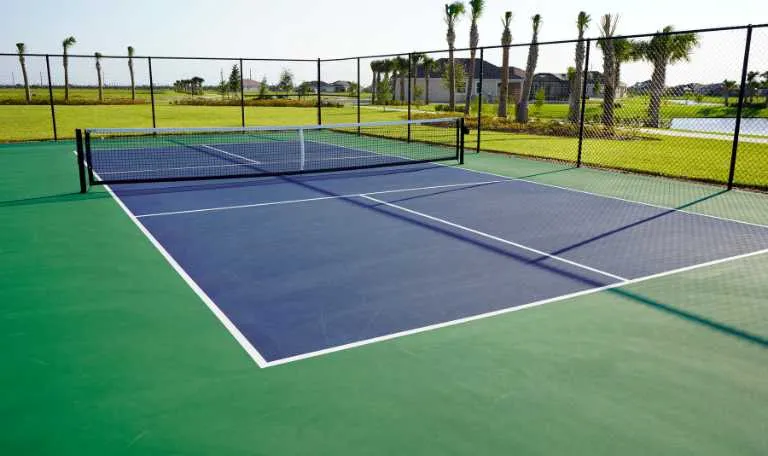
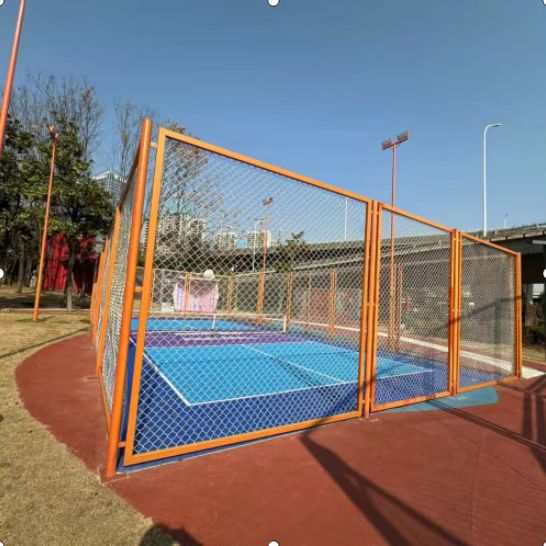
Pickleball court is a specialized court designed for the sport of pickleball, which combines elements of tennis, badminton, and table tennis. Our courts combine innovation, durability, and precision, make the sports easlier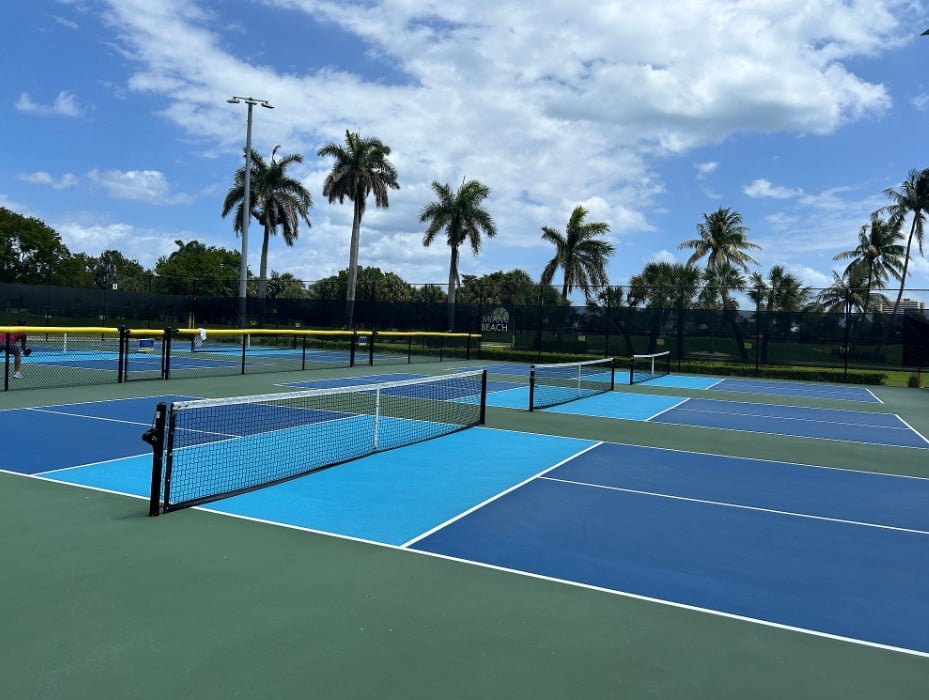
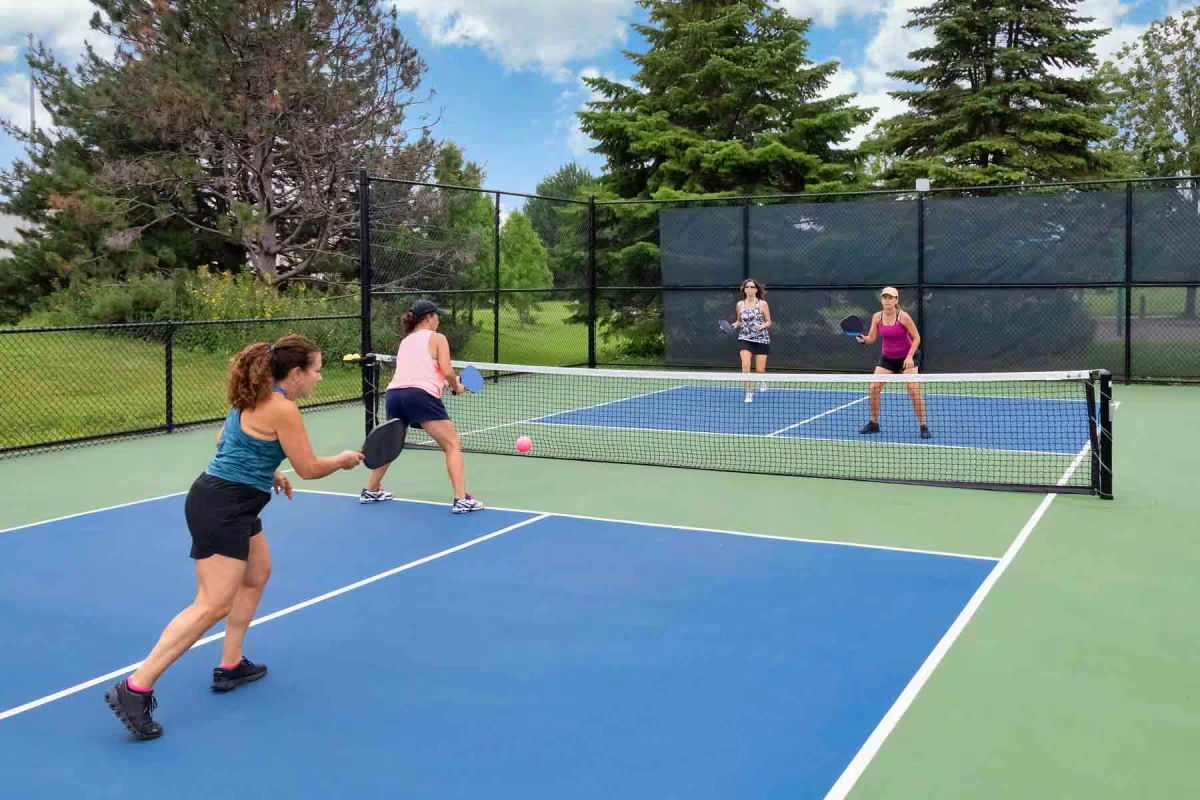
Parameter
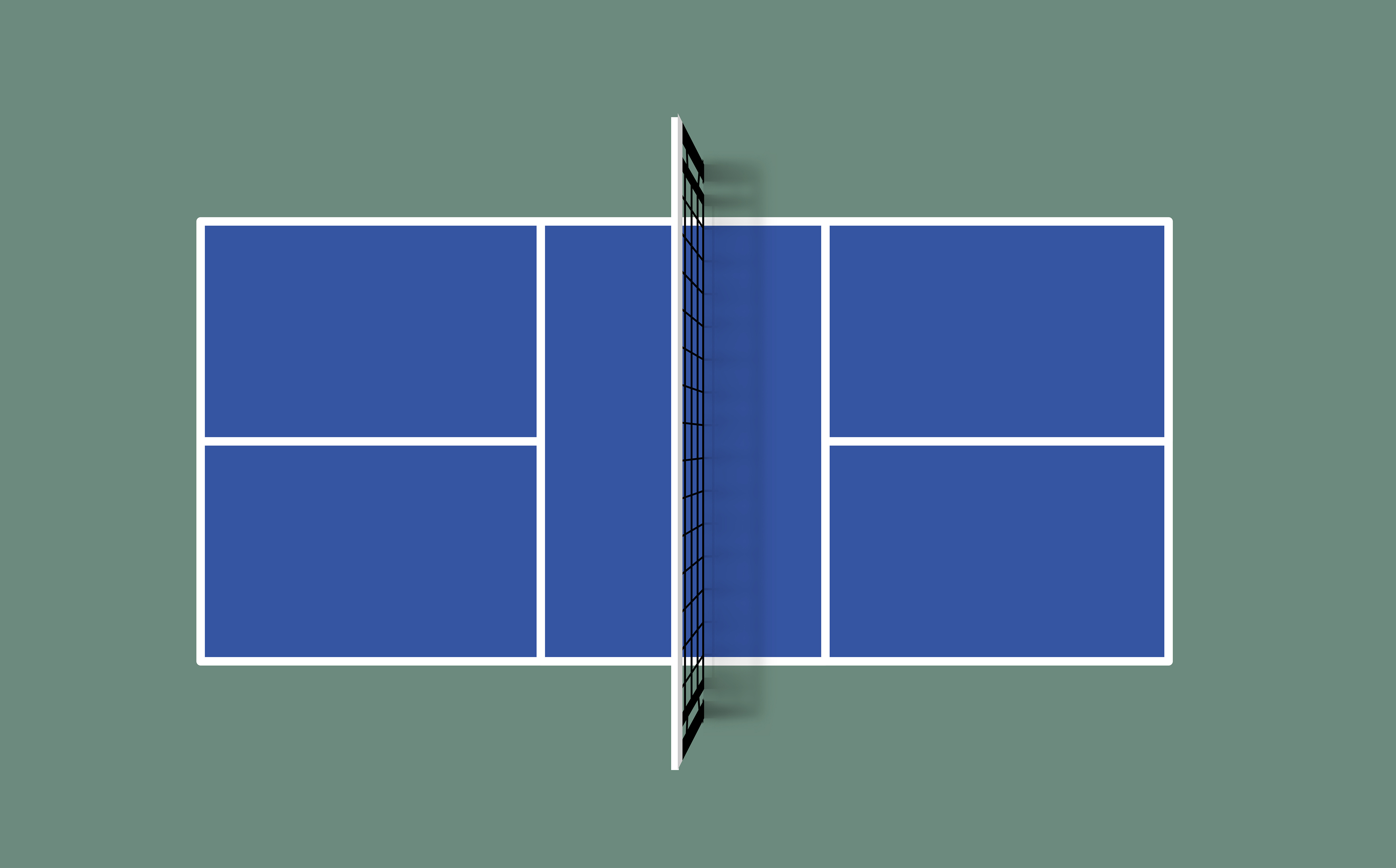
The Pickleball court dimensions:
Length: 13.41 meters (44 feet),
Width: 6.10 meters (20 feet) for singles and doubles play
Net dimensions:
Height at the Center: 0.86 meters (34 inches),
Height at the Posts: 0.91 meters (36 inches)
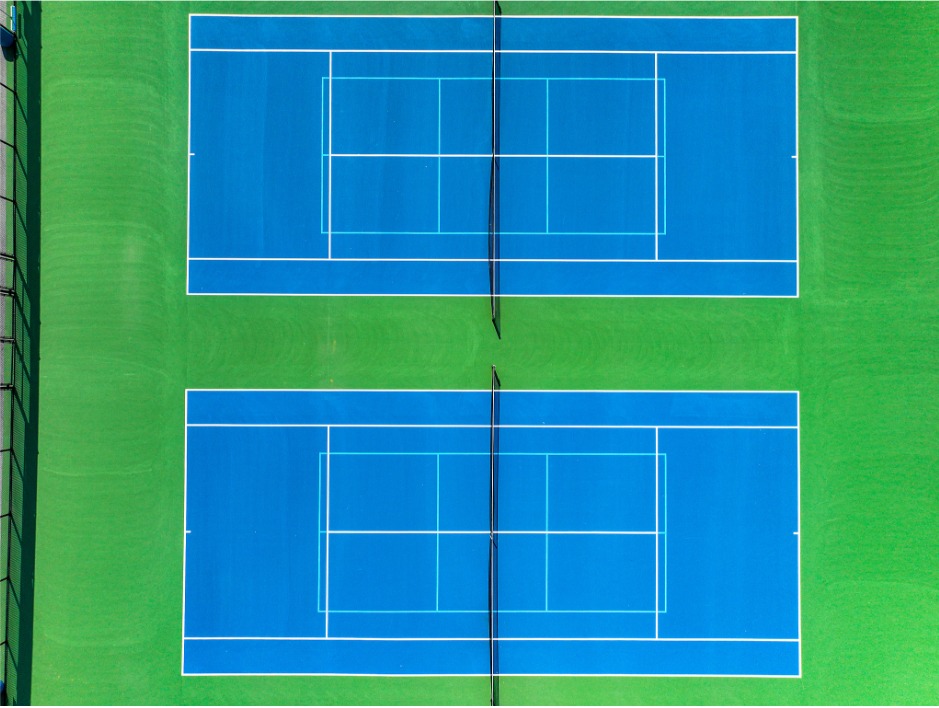
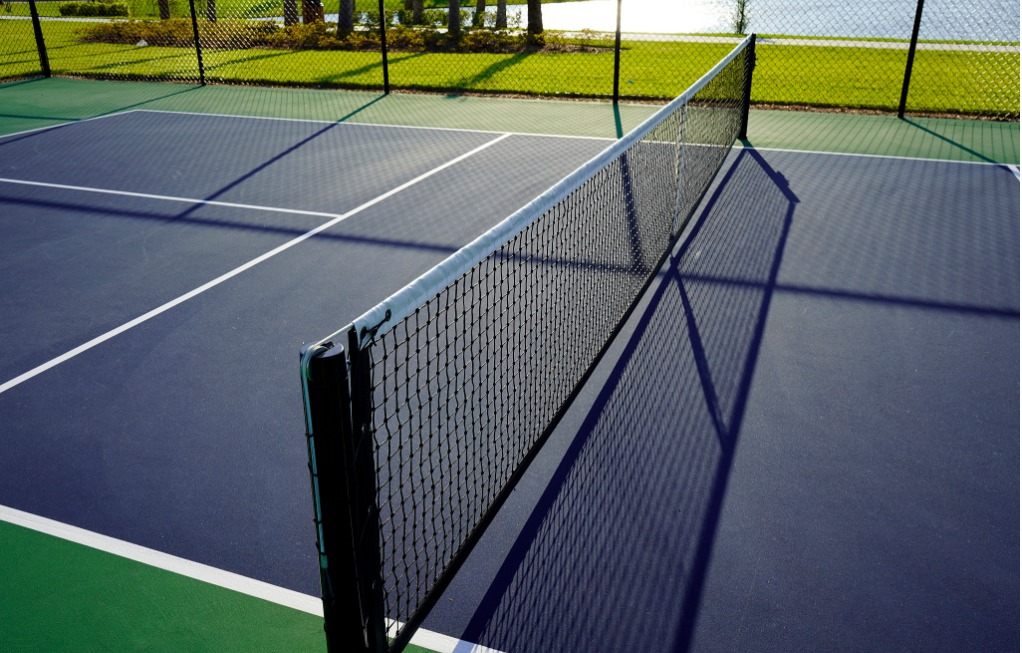
Playing Area:
Baselines: The lines at the ends of the court.
Sidelines: The lines on the sides of the court.
Non-Volley Zone (Kitchen): A 2.13-meter (7-foot) area on both sides of the net where players cannot volley the ball.
Service Courts:
Service Boxes: The court is divided into two equal service courts on each side, each measuring 3.05 meters (10 feet) wide and 4.57 meters (15 feet) long.
Center Line:The center line divides the service courts and extends from the non-volley zone to the baseline.
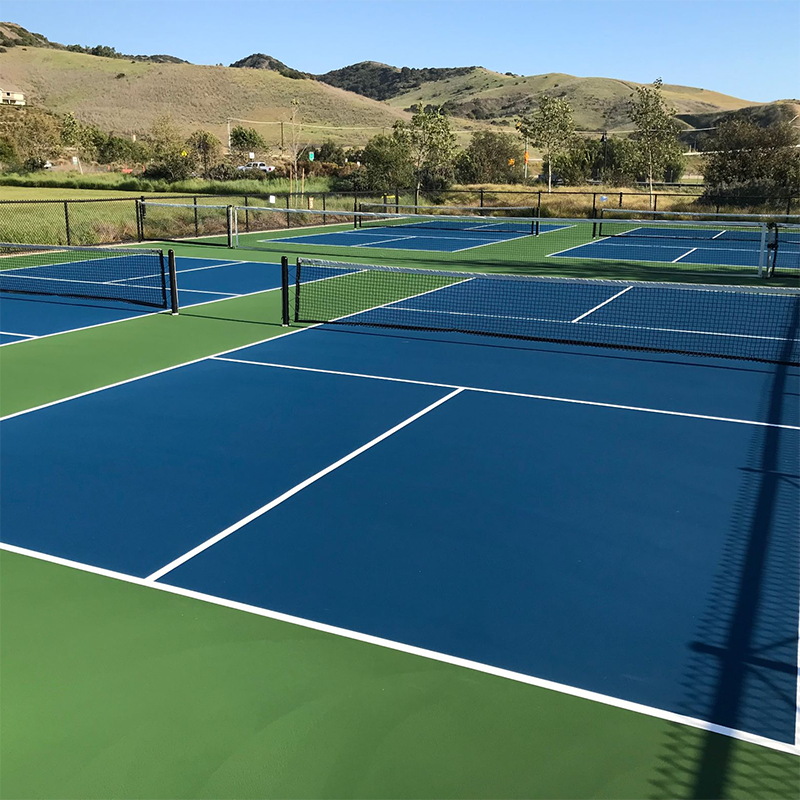
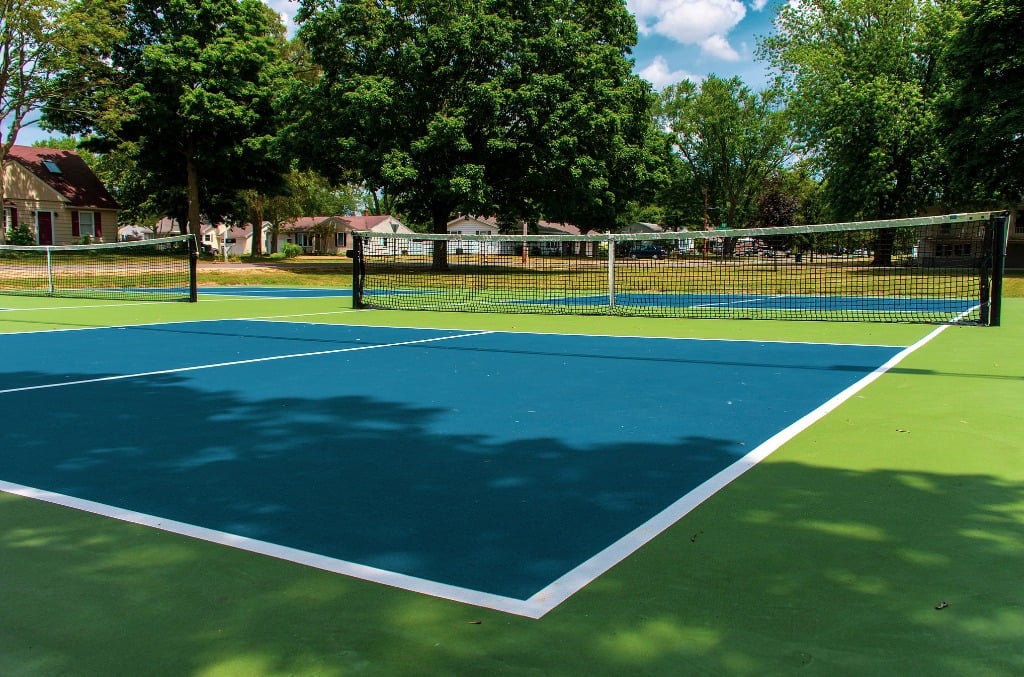
Surface:The surface of a pickleball court is typically made of asphalt, concrete, or other hard materials, and can be coated with acrylic or other finishes for better playability.
Solutions
I. Asphalt Base:
(1) Base Requirements:
The surface should be uniformly solid, free from oil stains and unmixed asphalt lumps, flat without cracks, no rotten edges or pile-ups, no pitting, with smooth and even joints, no water pooling, compaction density not less than 95%. After rolling with medium-sized machinery, there should be no noticeable wheel marks, no softening or peeling, no loose floating soil, waves, etc. The flatness tolerance is less than 3mm when measured with a 3m straight edge, with a pass rate greater than 90%. A certain drainage slope must be ensured for proper water runoff. New asphalt bases should be naturally cured for no less than 28 days to allow complete evaporation of high-boiling-point volatiles in the asphalt, ensuring good adhesion between the Silicon PU material and the base.
(2) Base Treatment:
A. Cleaning:
Clean thoroughly with clean water. After cleaning, the base should be free from dirt and other loose debris. Mark areas of water accumulation during cleaning.
B. Leveling and Sealing:
Mix professional base layer material in the ratio of Component A : Component B : Component C = 1 : 2 : 4 (by weight) until uniform (water may be added to adjust workability). Apply with a trowel onto the base surface, ensuring all gaps are filled and sealed. After drying, there should be no pinholes, and the surface should be flat without affecting subsequent construction.
II. Silicon PU Material Construction (Elastic Layer → Reinforcement Layer → Surface Layer → Line Marking)
1. Elastic Layer:
Before constructing the elastic layer, carefully inspect and confirm that the base treatment is complete. The elastic layer is a single-component material. Adjust to suitable workability using deionized water and apply to the base with a notched trowel. The application thickness per layer should not exceed 2.0mm. The interval between layers depends on the drying of the previous layer (typically about 10 hours, depending on site weather conditions). Continue until the desired thickness is achieved. Ensure leveling during application. If trowel marks do not level out, add more deionized water to achieve a smooth surface. If temperatures are low (<10℃) and relative humidity is low (<60%), add 3–8% water, mix thoroughly, and apply to accelerate curing and reduce intervals. The exact amount of water depends on site weather conditions. Avoid construction under intense sunlight. After the elastic layer dries, test surface flatness using the water pooling method. Repair pooled areas to ensure flatness. If granular debris or uneven accumulations are present, grind or smooth them before proceeding to the reinforcement layer.
2. Reinforcement Layer:
The reinforcement layer is a single-component material applied using the same method as the elastic layer. If the reinforcement layer design is thin (<1mm) and difficult to level with a notched trowel, use a flat trowel to apply multiple layers, ensuring a smooth and even surface. Remove any debris or uneven areas during application and smooth them before proceeding to the surface layer.
3. Surface Layer:
The surface layer is a two-component material. Thoroughly mix the two components in the specified ratio (incorrect ratios may affect curing and performance). Dilute with water to adjust workability, typically adding 50–80%. Apply multiple layers using a dedicated spray gun or roller onto the reinforcement layer. To achieve a rough surface, add specialized sand during spraying or rolling. Do not construct when the minimum temperature is below 5℃. After construction, avoid water immersion for at least 10 hours.
4. Line Marking:
Measure and mark boundary lines according to standard dimensions. Apply masking tape along both sides of the lines on the court. Apply specialized line-marking paint between the tapes and remove the tape after the surface dries. The line-marking material is a two-component mixture. Thoroughly mix Components A and B in the specified ratio and apply in two layers. If the court surface is rough, add 20% specialized surface sand to the first layer to prevent bleeding.
5. Precautions:
a. Accurately weigh and thoroughly mix materials during preparation.
b. Keep the surface clean before each construction step throughout the process.
c. Indoor venues must ensure adequate ventilation.
d. Allow the court to cure for at least 5 days after construction before use.
FAQ
Q: What are your company's core advantages in the manufacturing of padel court equipment?
A: We are a one-stop solution provider specializing in the R&D and manufacturing of padel court equipment, with over 10 years of industry experience. We utilize FIP-certified high-strength materials (such as corrosion-resistant steel structures, professional-grade glass, and UV-resistant artificial turf) and possess independently developed full-scale production lines and patented technologies. This ensures full-process control from foundations, fencing, and lighting to supporting facilities, guaranteeing high standards and consistency in project delivery.
Q: How do you ensure the durability and safety of your products?
A: All our core materials are certified by international authorities (such as CE and EN 12150) and undergo extreme environmental simulation testing. For example:
1). The steel structure is treated with hot-dip galvanizing for corrosion resistance, with wind pressure resistance rated at Level 10 or above.
2). The glass enclosure uses 12mm or thicker tempered laminated glass, with impact resistance exceeding national standards by 200%.
3). The court system comes with a 10-year warranty on the main structure and is maintenance-free, completely eliminating customer concerns.
Q: Why should customers choose you over other suppliers?
A: We are not just equipment manufacturers but also partners in the sports facility ecosystem:
1). One-stop delivery: Comprehensive services from design, production, installation, and maintenance, catering to all scenarios from amateur to professional event needs.
2). Proven track record: We have delivered over 6,000 courts across 50 countries and regions (e.g., Country Padel South Africa, Padel One Netherlands).
3).Flexible customization: We support personalized customization of court dimensions, brand logos, and color systems to align with commercial and branding requirements.
Q: What after-sales services and warranty policies do you offer?
A: We promise that "delivery is just the beginning of our service":
1). Comprehensive warranty: Main structure warranty for 10 years, fencing system for 5 years, lighting, and turf for 5 years (terms are adjustable).
2). 24/7 response mechanism: Lifetime technical support is provided, with priority given to remote diagnosis for urgent issues and dispatch of local engineers when necessary.
Q: Can you assist with compliance and planning issues in court construction?
A: Yes, we offer free preliminary technical consultations, including:
1).Compliance analysis (providing design solutions based on national building codes and sports standards).
2).Space utilization optimization (for special environments such as rooftops, basements, and outdoor areas).
3).Recommendations for integrated supporting equipment (e.g., drainage systems, lighting solutions, and smart accessories).
Q: How do you ensure the delivery efficiency and installation quality for overseas projects?
A: We have a mature international project execution system:
1).Modular pre-assembly: 80% of components are pre-assembled in the factory, reducing on-site construction time and costs.
2).Global logistics partnerships: Long-term collaboration with renowned shipping and freight companies, providing door-to-door logistics tracking.