
 EN
EN



The Strategic Value of Panoramic Padel Courts in Modern Sports Infrastructure
In the fast-moving world of global fitness and recreation, padel has transitioned from a regional niche to a centerpiece of modern social athletics. As facility owners and sports entrepreneurs evaluate growth strategies, the shift toward premium infrastructure has become the primary differentiator for long-term commercial success. The panoramic padel court has emerged as the definitive standard in this landscape, offering a sophisticated convergence of professional-grade performance and high-end aesthetic appeal. For venue operators, this is no longer just about building a court; it is about constructing a destination that fosters community, drives membership retention, and maximizes the commercial utility of every square meter of real estate.
Engineering the Spectator-Centric Environment
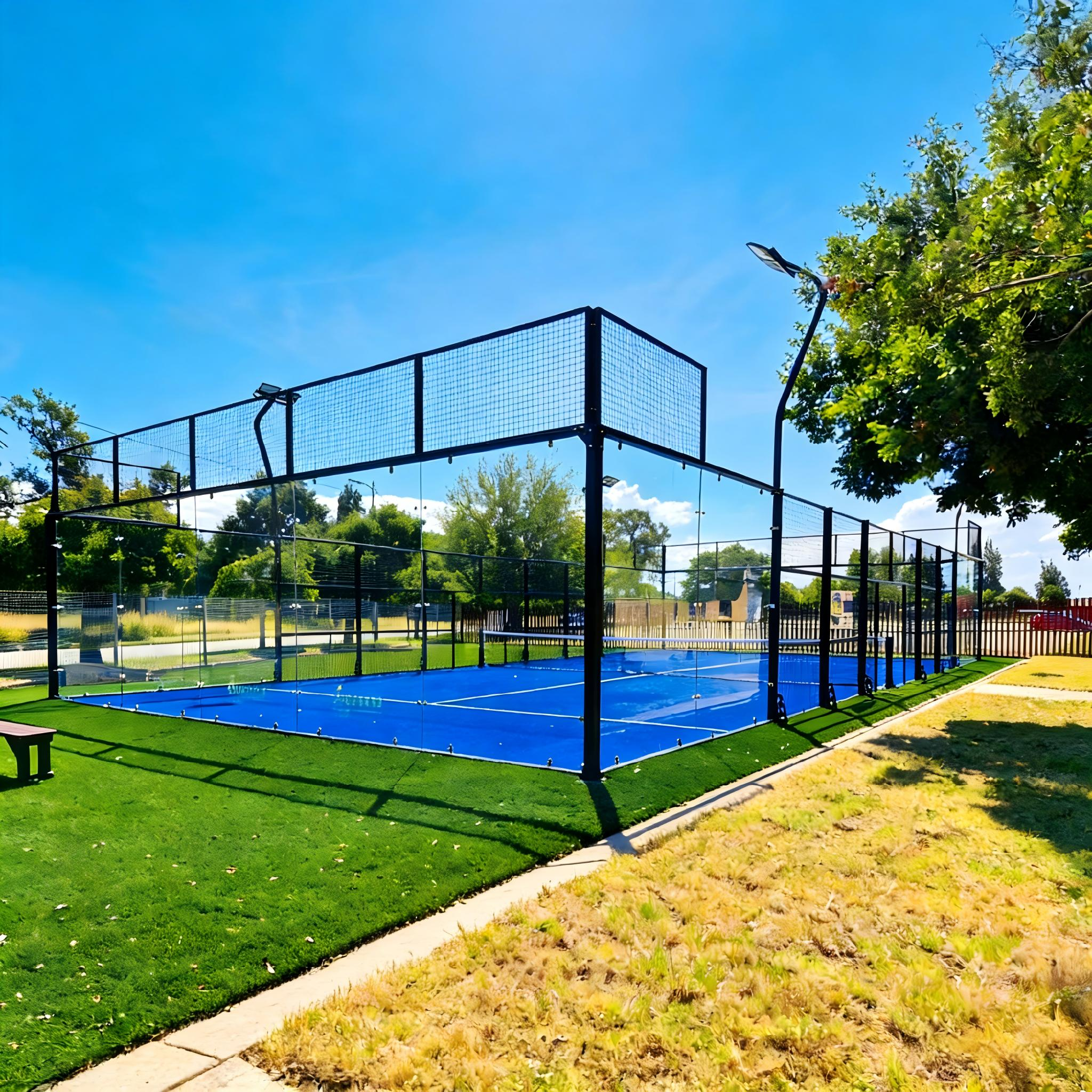
The defining technical advantage of a panoramic design is the deliberate elimination of structural pillars at the rear of the playing enclosure. In traditional setups, the steel framing often creates visual obstruction, fragmenting the flow of the game. By utilizing advanced engineering to cantilever the support structure, panoramic designs provide an unobstructed, theater-like view of the match. From a commercial perspective, this design choice fundamentally changes the user experience. It transforms the court from a private space into an interactive arena, inviting spectators and bystanders to engage with the match. This effect is a powerful tool for community building; when players feel as though they are performing in a professional environment, engagement naturally intensifies. For facilities, this translates into higher dwell times as spectators remain to watch matches, purchase refreshments, and socialize, effectively turning the court into the primary utility driver for the entire venue.
Material Integrity and Structural Reliability
Successful infrastructure investment relies heavily on the quality of the raw materials and the precision of the assembly. A high-performance panoramic court is not merely a collection of glass and steel; it is a calculated structural system. Industry standards for professional play require the use of high-tensile tempered glass that undergoes rigorous stress testing to ensure impact resistance. When combined with reinforced, precision-machined steel frameworks, the resulting structure is capable of maintaining its tolerances despite repeated physical impact and exposure to temperature fluctuations. Business owners should prioritize systems that utilize anti-corrosive coatings and modular fastening components, as these technical details directly influence the maintenance lifecycle. Choosing infrastructure that is engineered for durability reduces the need for frequent repairs, ensuring that the asset retains its premium look and structural safety long after the initial installation.
Maximizing Commercial Utility and Aesthetic Appeal
In the competitive fitness market, visual branding is an extension of the service offering. Panoramic courts act as a powerful visual anchor for any sports complex, signaling that the venue is forward-thinking and committed to professional standards. The open, sleek design creates a sense of lightness and architectural sophistication that is difficult to achieve with standard enclosed designs. This aesthetic versatility allows for seamless integration into diverse environments—from high-end indoor clubs to expansive outdoor multi-sport complexes. By positioning these courts as the centerpiece, facilities can attract a broader demographic and maintain high demand. When a court looks and performs like a professional-grade stadium, it naturally fosters higher booking rates, as players prioritize the quality of the environment when selecting where to hold their games and training sessions.
Revenue Diversification and Long-Term Scalability
The commercial wisdom of investing in panoramic infrastructure is best understood through the lens of revenue diversification. Because panoramic courts provide a superior playing experience, they are the preferred choice for elite coaches, competitive tournament organizers, and corporate event planners. This opens a pipeline of revenue streams beyond simple hourly rentals. Facilities can leverage the theater-like quality of panoramic courts to host exhibition matches, professional-level coaching clinics, and league play. By creating an environment that supports these high-value events, operators can ensure a consistent return on investment that standard courts often fail to capture. The ability to host events that bring more people into the facility, combined with the premium appeal of the court, builds a sustainable business model centered on high-traffic engagement.
Infrastructure Excellence with Whales Sports
Scaling a sports business requires more than just access to construction materials; it demands a strategic partnership with an entity capable of bridging the gap between mechanical engineering precision and reliable, large-scale supply chain execution. Whales Sports has cultivated a deep reputation for delivering industrial-grade padel infrastructure that prioritizes long-term mechanical reliability and high-performance output. By aligning cutting-edge technical innovation with a robust approach to manufacturing quality and logistical stability, Whales Sports enables club owners and project managers to scale their sports venues with complete confidence. When large-scale projects are supported by a partner that emphasizes both engineering integrity and a deep commitment to technical reliability, every phase—from initial structural design to final installation—is optimized for precision. Whales Sports serves as an essential strategic link in the global manufacturing chain, providing the precision, quality assurance, and logistical support necessary to turn specialized sports infrastructure into a foundational competitive advantage for successful venues across the world.
Table of Contents
- The Strategic Value of Panoramic Padel Courts in Modern Sports Infrastructure
- Engineering the Spectator-Centric Environment
- Material Integrity and Structural Reliability
- Maximizing Commercial Utility and Aesthetic Appeal
- Revenue Diversification and Long-Term Scalability
- Infrastructure Excellence with Whales Sports