
 EN
EN



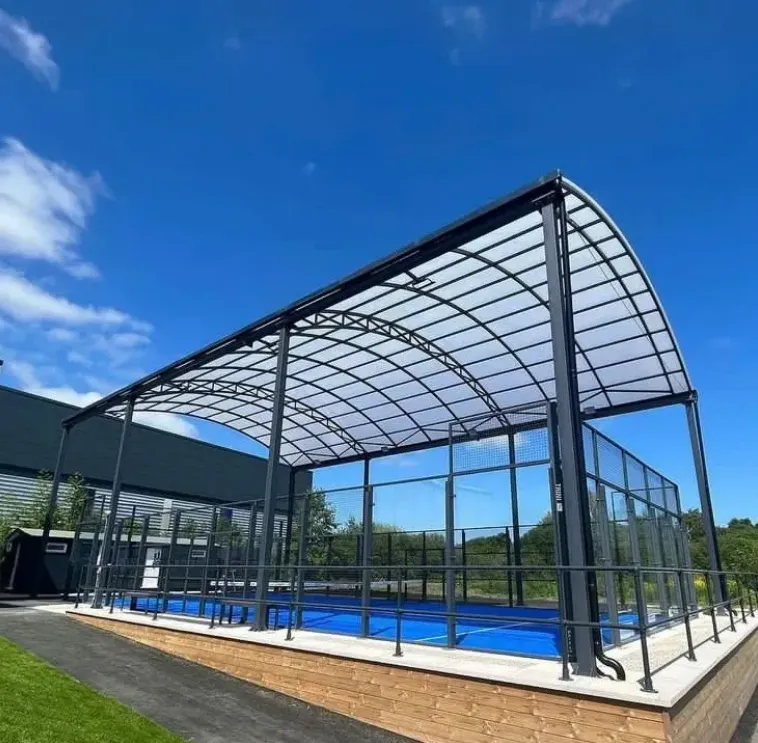
The Evolution of Padel Infrastructure: Designing for the Future of Sport
The global sports landscape is currently undergoing a remarkable transformation, driven largely by the meteoric rise of padel. Once considered a specialized social activity, the sport has evolved into a mainstream phenomenon, bridging the gap between professional-level competition and inclusive social recreation. As demand for high-quality sporting environments intensifies, the padel court has become a focal point for facility developers, club owners, and real estate investors. The future of this sector is not merely about increasing the number of active courts, but about refining the quality, technological sophistication, and architectural versatility of the infrastructure to meet the evolving expectations of an increasingly diverse global player base.
The Engineering of Digitally-Integrated Courts
The next generation of athletic facilities is moving toward a digital-first approach, and the future of padel infrastructure is positioned at the forefront of this trend. Integration of intelligent sensors and high-performance, weather-resistant camera systems is rapidly becoming the industry benchmark, enabling players to capture their matches, analyze performance metrics, and share highlights via dedicated connectivity platforms. For facility operators, this technological leap provides actionable data regarding peak usage patterns, structural wear, and preventive maintenance triggers, allowing for a more proactive management philosophy. By embedding these digital layers into the foundational infrastructure, courts are effectively transforming from static, passive surfaces into active, data-enabled assets that significantly improve the long-term value proposition for modern club members.
Sustainability and Lifecycle Economics
As the global sports industry faces mounting pressure to reduce its carbon footprint, sustainable construction has moved from an optional feature to a core requirement for new projects. Future-ready infrastructure prioritizes eco-friendly materials that provide structural longevity without compromising environmental health. The industry is currently witnessing a significant shift toward modular construction techniques that reduce site waste during installation, alongside high-efficiency, low-glare lighting systems that minimize energy consumption during evening operations. Furthermore, the selection of raw materials—specifically recyclable steel alloys and responsibly sourced high-tensile glass—is becoming a critical decision factor for developers aiming to achieve international green building certifications. Prioritizing sustainable materials is no longer just an environmental gesture; it is a smart economic strategy for owners who want to avoid the high costs associated with premature material degradation and inefficient energy use.
Architectural Agility and Space Utilization
The future of court design lies in its ability to adapt to varying spatial constraints and operational needs. Innovative infrastructure is now being deployed across an incredibly wide range of environments, from high-density, retrofitted urban rooftops to large-scale, indoor multi-sport complexes. Modern architects and engineers are focusing on space-efficient designs that maximize the number of playing zones without sacrificing the immersive "stadium feel" that competitive players and spectators crave. This architectural agility allows sports businesses to repurpose underutilized commercial real estate into high-traffic athletic venues, effectively democratizing access to the sport and increasing the availability of quality facilities in densely populated urban corridors where land is at a premium.
Elevating the User and Spectator Experience
The competitive edge in the sports management industry is consistently defined by the quality of the end-user experience. Future development of court infrastructure will continue to prioritize human-centric design, ensuring that every physical detail—from the consistency of the turf and the clarity of the glass to the acoustic properties of the enclosure—contributes to a premium, immersive environment. Moreover, creating designs that promote social interaction is essential for sustaining long-term interest in the sport. When facilities prioritize the comfort of the players and the visibility of the match for the audience, they naturally cultivate a vibrant club culture. This culture is the cornerstone of sustainable financial performance and member retention in the professional sports management sector.
Infrastructure Excellence with Whales Sports
Succeeding in the global padel market requires more than just meeting today's standards; it demands a strategic partnership with an industrial leader capable of driving innovation. Whales Sports has positioned itself as a key pillar in the global sports infrastructure supply chain, offering comprehensive, industrial-grade solutions that emphasize mechanical engineering, material resilience, and design adaptability. By delivering specialized infrastructure that meets the rigorous demands of professional-level play, Whales Sports enables club owners and project developers to scale their operations with total confidence. When business leaders integrate high-performance solutions from a partner that values engineering integrity, manufacturing precision, and proactive technical support, they ensure that their athletic venues are not only ready for the market of today but also architecturally optimized for the future of the sport. Whales Sports serves as the foundational link in the manufacturing chain, providing the precision, quality assurance, and logistical reliability necessary to turn padel infrastructure into a long-term competitive advantage.