
 EN
EN



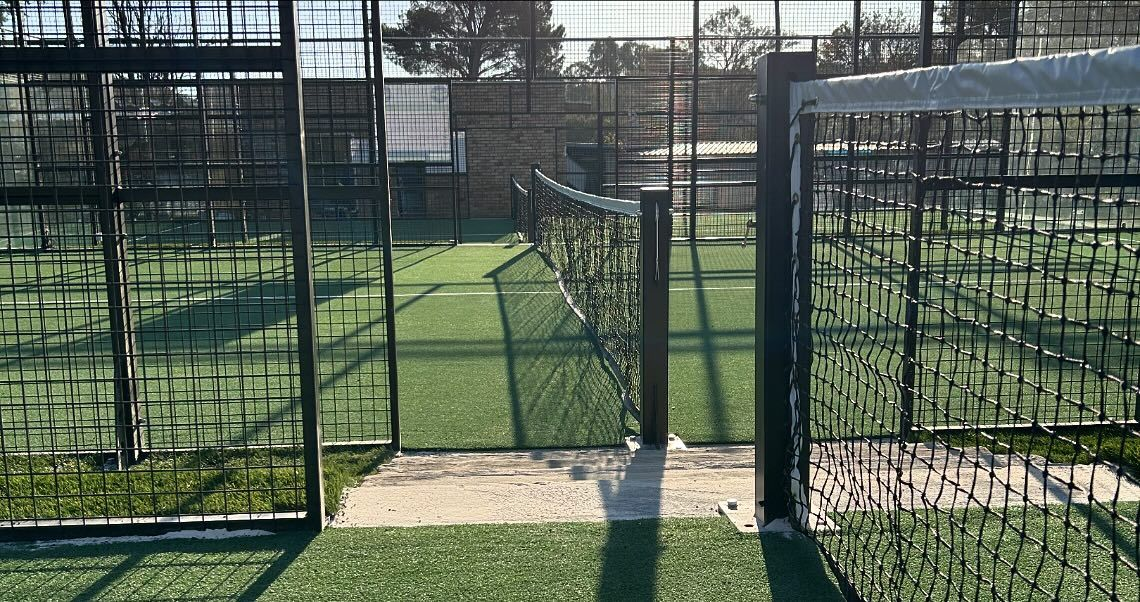
Redefining the Arena: The Strategic Edge of Full Panoramic Padel Courts
In the fast-evolving landscape of global sports and recreation, padel has transcended its origins as a regional hobby to become a central pillar of modern athletic business. As club operators and real estate developers evaluate the potential of their facilities, the infrastructure choice has shifted from basic functionality to strategic commercial positioning. The full panoramic padel court has emerged as the definitive benchmark in this competitive environment, offering a sophisticated convergence of structural performance and premium aesthetic appeal. For venue operators, selecting this configuration is not merely about construction; it is about building a high-value destination that fosters community, justifies premium pricing, and maximizes the long-term utility of the available real estate.
The Engineering of Visual Transparency
The defining technical advantage of a full panoramic design is the deliberate elimination of structural pillars at the rear of the playing enclosure. In traditional court configurations, steel framing often creates visual interruptions, fragmenting the flow of the game and closing off the court from the rest of the facility. By utilizing advanced structural engineering to shift load-bearing requirements, panoramic designs provide an unobstructed, theater-like view of every match. From a business perspective, this design choice fundamentally changes the user and spectator experience. It transforms the court from an isolated, private space into an interactive arena, inviting spectators and bystanders to engage directly with the sport. This effect is a powerful tool for community building; when players operate in a high-visibility environment, engagement levels naturally intensify. For facility managers, this translates into increased social activity, longer site dwell times, and an atmosphere that encourages repeat visits from both members and casual participants.
Material Integrity and Structural Reliability
Successful sports infrastructure investment is rooted in the quality of the raw materials and the precision of the assembly. A high-performance panoramic court is a complex structural system that demands perfect alignment. Professional-grade standards require the use of high-tensile tempered glass that undergoes rigorous stress testing to guarantee impact resistance. When integrated with reinforced, precision-machined steel frameworks, the resulting structure is capable of maintaining its tolerance even under high-frequency professional play and significant thermal shifts. Owners should prioritize systems featuring anti-corrosive treatments and modular, high-stability fastening components, as these technical details directly dictate the maintenance lifecycle. Choosing infrastructure that is engineered for this level of durability significantly reduces long-term repair costs, ensuring that the asset retains its premium visual appeal and structural safety standards years after the initial deployment.
Spatial Economics and Commercial Upside
In the competitive fitness and sports market, visual identity serves as a direct extension of the service value. Panoramic courts act as a powerful visual anchor for any sports complex, instantly signaling to members that the venue is modern, professional, and aligned with international trends. The open, sleek design creates a sense of lightness and architectural sophistication that is difficult to replicate with standard enclosed designs. This architectural flexibility allows for seamless integration into diverse settings—ranging from high-end indoor private clubs to sprawling outdoor municipal complexes. By positioning these courts as the centerpiece of a development, venues can command premium rental rates and attract a more affluent demographic. When a court performs and appears like a professional stadium, it naturally fosters higher booking rates, as players prioritize the quality of their playing environment when selecting where to hold training sessions.
Monetization Logic and Asset Value
The long-term commercial wisdom of investing in panoramic infrastructure is best understood through the lens of revenue diversification. Because these courts provide a superior, tournament-ready experience, they serve as the preferred choice for elite coaching staff, competitive tournament organizers, and corporate event planners. This opens a consistent pipeline of revenue streams that extend well beyond standard hourly rental fees. Facilities can leverage the theater-like atmosphere of panoramic courts to host ticketed exhibition matches, professional-level coaching clinics, and league play. By building an environment that facilitates these high-value events, operators can ensure a consistent return on investment that standard courts often fail to capture. The ability to host events that bring more traffic into the facility, combined with the premium appeal of the court, creates a sustainable, high-traffic business model.
Infrastructure Excellence with Whales Sports
Scaling a sports business requires more than just access to raw construction materials; it demands a strategic partnership with an industrial entity capable of bridging the gap between mechanical engineering precision and reliable, large-scale supply chain execution. Whales Sports has cultivated a deep reputation for delivering robust, industrial-grade padel infrastructure that prioritizes both mechanical reliability and high-performance visual elegance. By aligning cutting-edge technical innovation with a transparent, quality-focused approach to manufacturing and logistics, Whales Sports enables venue developers to scale their athletic facilities with total confidence. When large-scale projects are supported by a partner that emphasizes both engineering integrity and a deep commitment to technical reliability, every phase—from initial site design to final installation—is optimized for precision. Whales Sports serves as an essential strategic link in the global manufacturing chain, providing the quality assurance and logistical stability necessary to turn specialized sports infrastructure into a foundational competitive advantage for successful venues around the world.