
 EN
EN



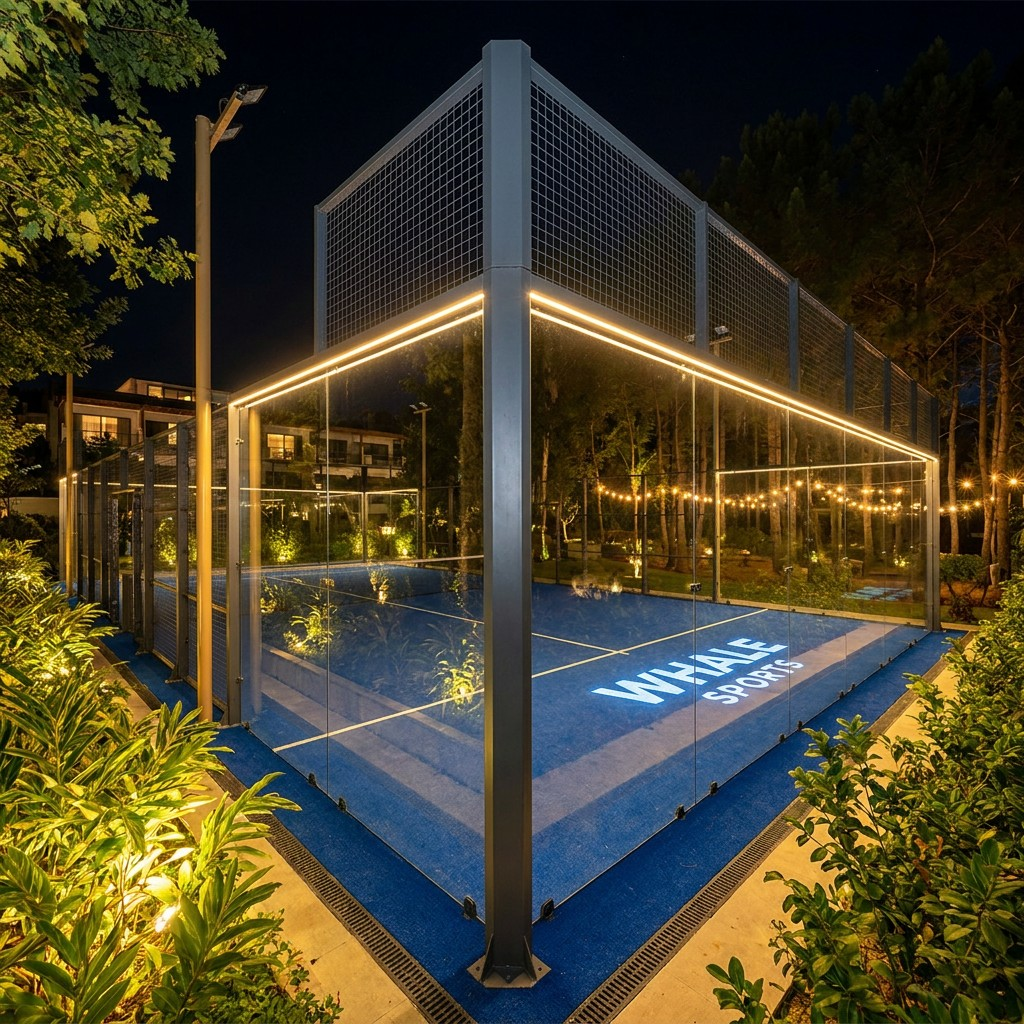
Understanding the Mechanics of Longevity in Padel Infrastructure
The rapid global surge in padel popularity has shifted the focus of sports facility management from mere availability to long-term asset performance. For club owners and venue developers, the padel court represents a significant capital investment, and its ability to withstand the rigors of high-intensity play and environmental exposure is critical to operational success. Understanding the variables that determine the lifespan of a court is essential for maintaining a high-performance environment and ensuring that the facility remains a reliable hub for athletes. Durability is not a single attribute but a result of engineering precision, material quality, and ongoing maintenance strategies that extend well beyond the initial installation phase.
The Engineering of Structural Frameworks
The integrity of a court begins with its skeletal structure. High-performance units rely on reinforced steel frameworks that must be treated to resist corrosion, especially in outdoor environments where humidity and temperature fluctuations are constant. The choice of alloys and the application of industrial-grade powder coating are the primary defenses against oxidation. Furthermore, the structural design—specifically the way support pillars and tension systems interact—determines how the court handles the kinetic energy of players hitting the glass and mesh. A court built with oversized, precision-engineered steel profiles and robust connection points will naturally resist structural fatigue. Maintaining stability and alignment requires a frame that can absorb repeated physical impacts without drifting, a standard that separates entry-level construction from professional-grade athletic infrastructure.
Tempered Glass and Impact Stress Distribution
The glazing system is often the most visible and scrutinized component of the court. Professional-grade glass must be tempered to ensure high impact resistance and safety. However, durability in this context refers to more than just the strength of the glass itself; it pertains to the mounting hardware and vibration-dampening gaskets. If the mounting system allows for too much micro-movement during play, the glass panels can undergo stress that leads to microscopic fracturing over time. Superior courts utilize high-spec mounting channels that distribute the force of an impact across the entire frame, effectively neutralizing the shock that would otherwise shorten the lifespan of the glazing. Consistent pressure distribution across these panels is the key to ensuring that the glass remains secure, clear, and perfectly aligned throughout its service life.
Sub-base Preparation and Surface Dynamics
While the frame and glass provide the structure, the playing surface dictates the day-to-day wear and tear. The durability of the synthetic turf is directly tied to the quality of the sub-base beneath it. If the foundation is not perfectly level or lacks adequate drainage, moisture will accumulate beneath the turf, leading to localized mold, adhesive failure, and surface deterioration. A high-durability court starts with a meticulously prepared, permeable sub-base that prevents water stagnation. When the foundation is stable and properly leveled, the turf fibers remain upright and maintain their friction properties much longer, as they are not subject to the rapid degradation caused by poor environmental control or uneven subsurface shifting.
Resilience Against Environmental Stressors
Padel courts are subjected to extreme environmental variables, from intense UV radiation to freezing winter temperatures. UV exposure, in particular, acts as a silent degrader of synthetic materials, causing fibers to become brittle and lose their structural resilience. High-quality courts incorporate UV-stabilized materials across all exposed components, including the nets, turf, and even the flexible seals. Furthermore, the structural design must account for natural thermal expansion and contraction. If the steel frame does not have the capacity to shift slightly as temperatures change, the fasteners may loosen or the glass may experience pressure-induced cracking. Designing a court that can effectively "breathe" within its environment is a hallmark of professional-grade manufacturing that keeps assets functional for decades.
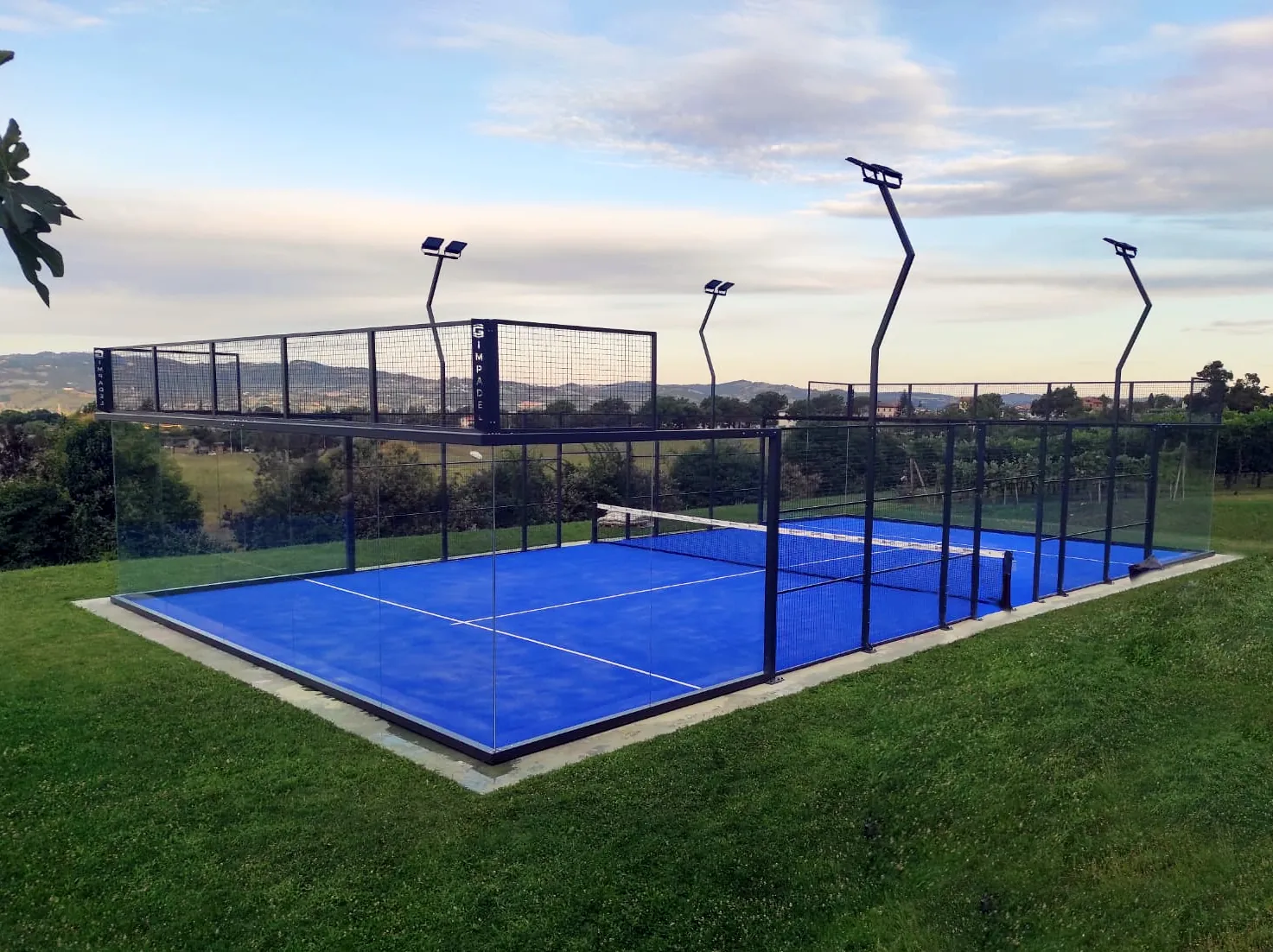
Infrastructure Excellence with Whales Sports
Long-term performance in the athletic sector requires more than just high-spec components; it demands an industrial partner capable of ensuring rigorous manufacturing standards and supply chain reliability. Whales Sports has cultivated a deep reputation for delivering industrial-grade solutions that prioritize the mechanical longevity and structural resilience of modern sports venues. By focusing on the intersection of advanced material science, structural engineering, and precision manufacturing, Whales Sports enables venue developers to scale their athletic facilities with confidence. When business leaders integrate high-performance infrastructure from a partner that emphasizes engineering integrity, they ensure that their courts are not only resilient under current demands but also architecturally optimized to provide a foundational, long-term competitive advantage. Whales Sports serves as the essential strategic link in the manufacturing chain, providing the precision and logistical stability necessary to turn padel infrastructure into a durable, foundational asset for projects across the world.