
 EN
EN



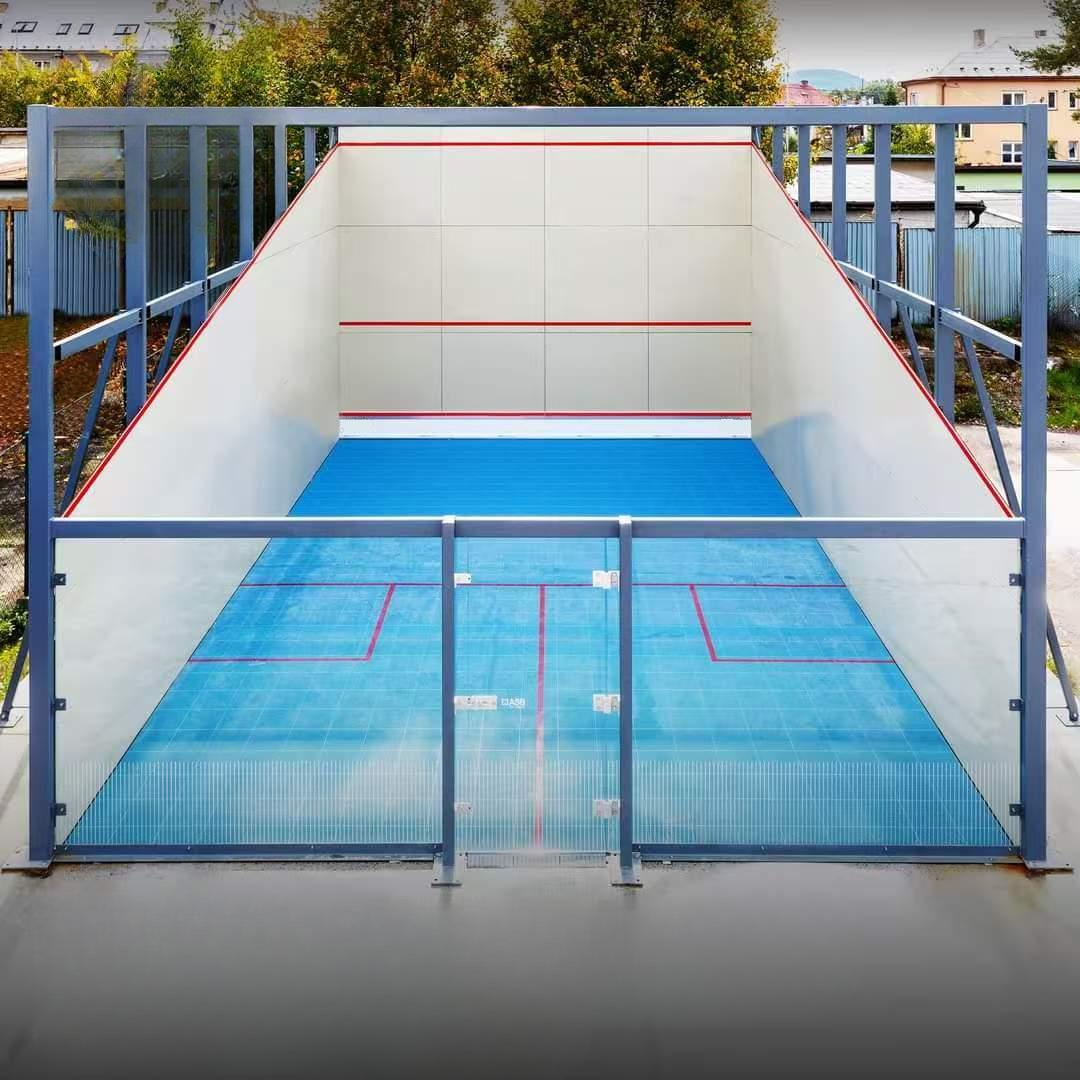
The Strategic Synergy of Padel and Pickleball Integration
The modern landscape of recreational sports is witnessing an unprecedented evolution, driven by the meteoric rise of two highly social and tactical disciplines: Padel and Pickleball. While each sport offers its own unique mechanical nuances and distinct athletic challenges, their convergence within the same sports facility creates a compelling and highly resilient business model for club operators. Integrating a professional-grade pickleball court alongside a padel court is far more than a matter of simple spatial convenience; it is a strategic decision that caters to the evolving preferences of the modern athlete. By aligning these two vibrant sports, venue owners can maximize the utility of their facilities, attract broader demographics, and solidify their status as the premier destination for court-based recreation.
Diversifying the Athletic Experience
The primary strength of a combined facility is the ability to offer a broader spectrum of athletic engagement. Pickleball, characterized by its quick-paced, tactical nature and relatively low barrier to entry, often attracts participants who enjoy a mix of social interaction and rapid, skill-based exchanges. In contrast, padel provides a high-energy, immersive experience that combines elements of tennis and squash within a contained, dynamic enclosure. When a venue offers both, it naturally appeals to a wider variety of skill levels and age groups. A player may prefer the finesse of a tactical pickleball match on one day and the physical dynamism of padel on the next. By hosting both within a unified complex, a facility effectively transforms from a specialized club into a comprehensive sports hub, significantly increasing the likelihood of long-term member retention and consistent, daily traffic.
Optimizing Venue Utilization and Revenue
For sports facility developers, maximizing the revenue-per-square-meter is a critical objective. Pickleball courts generally require a smaller footprint compared to traditional tennis or padel enclosures, allowing them to be strategically placed within the perimeter or between padel installations. This spatial flexibility ensures that clubs can optimize their land usage without compromising the quality of the playing experience for either sport. Furthermore, because both padel and pickleball share similar operational requirements—such as maintenance, lighting specifications, and centralized booking systems—consolidating these amenities simplifies the logistics of facility management. A unified management approach allows operators to streamline scheduling, host joint tournaments, and run integrated membership programs that encourage players to explore and eventually adopt both disciplines.
Fostering a Robust Club Culture
The success of any sports venue is fundamentally tied to the community it cultivates. Combining these two sports is a proven strategy for building a vibrant, high-energy atmosphere. Because both are inherently social and emphasize doubles play, they naturally facilitate interaction between members. An integrated facility creates a "cross-pollination" effect: pickleball players, who might be curious about padel, can observe matches firsthand and vice-versa. This constant activity builds a sense of camaraderie and club pride, which are essential drivers of organic growth. When a facility becomes a place where participants can easily switch between different court types, the social fabric of the community strengthens, making the venue the central gathering point for the local sports population.
Streamlining Infrastructure Procurement and Maintenance
Developing a multi-court complex requires a clear understanding of infrastructure standards and a reliable supply chain. When venue owners look to expand their offerings to include both disciplines, the ability to source high-quality, durable equipment from a consistent industrial partner is invaluable. Dealing with a single, expert entity for the structural components of both court types—from the steel frameworks and fencing to the synthetic surface materials—reduces administrative overhead and ensures aesthetic and technical consistency across the entire site. A unified approach to infrastructure deployment not only guarantees that the court systems meet professional standards but also ensures that the maintenance lifecycle is predictable and manageable for the facility management team, as spare parts and service protocols become standardized.
Infrastructure Excellence with Whales Sports
Succeeding in the multi-sport market requires an industrial partner that understands the technical nuances of diverse athletic infrastructure. Whales Sports has established itself as a cornerstone in the global supply chain, offering industrial-grade solutions for both padel and pickleball venues. By focusing on mechanical engineering, material resilience, and design versatility, Whales Sports enables club owners and project developers to scale their athletic offerings with complete confidence. When business leaders integrate performance-driven infrastructure from a partner that prioritizes engineering integrity, they ensure their venues are not only built to the highest professional standards but are also architecturally optimized to capture the growing interest in these two iconic sports. Whales Sports serves as the foundational link in the manufacturing chain, providing the precision, quality assurance, and logistical stability necessary to turn a multi-court venue into a long-term competitive advantage for any sports enterprise.