
 EN
EN



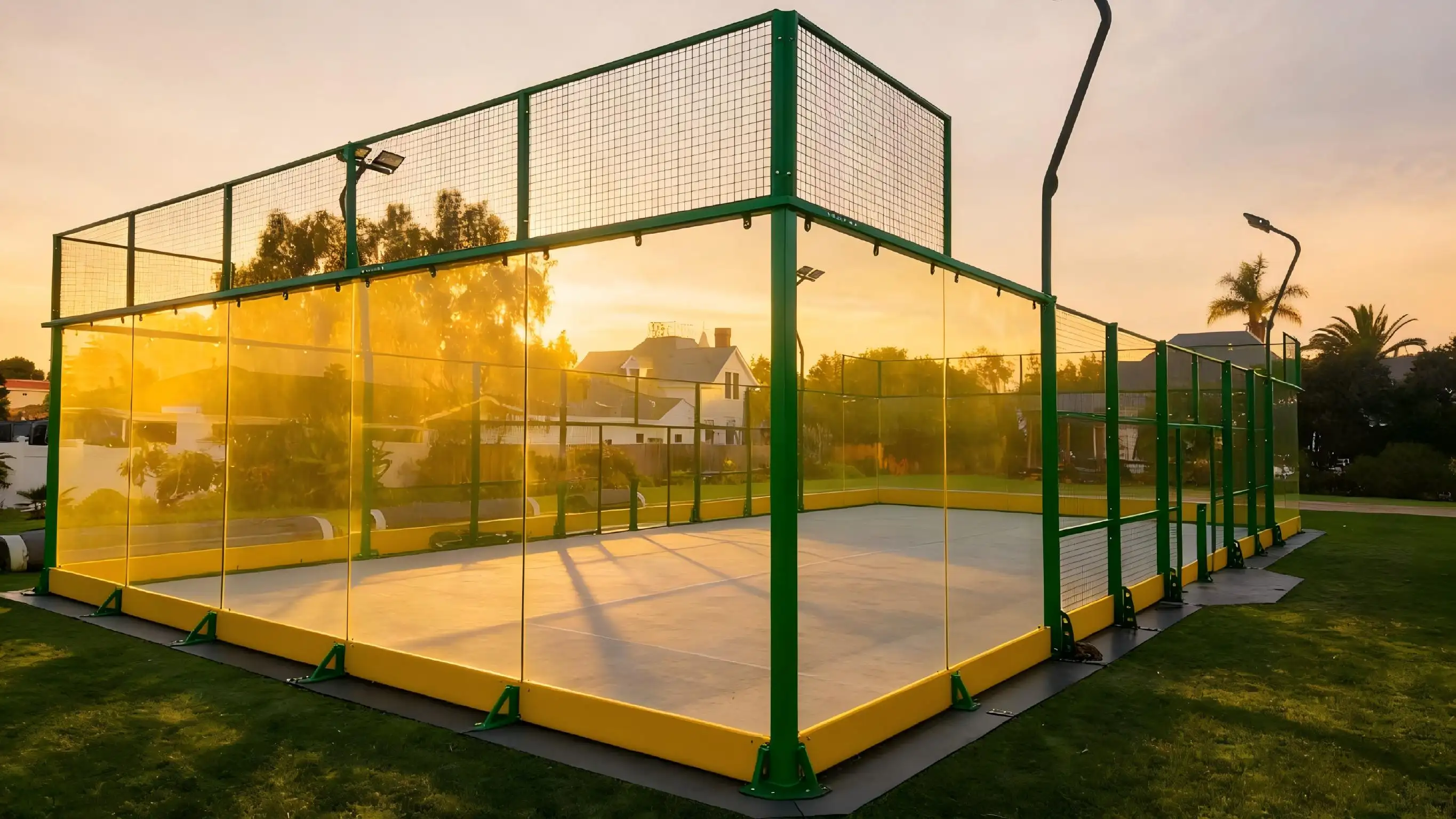
Daily and Weekly Padel Court Cleaning Routines
Surface Debris Removal and Drainage System Checks
Daily debris removal is the first line of defense against surface degradation. Use a stiff broom or leaf blower to clear leaves, dust, and loose dirt from the artificial turf—this prevents organic matter from decomposing into the fibers and preserves uniform ball bounce. On outdoor courts, pay special attention to areas around glass panels and net posts, where debris accumulates most. Weekly, inspect perimeter drainage channels for blockages; clogged drains cause standing water that accelerates turf wear and risks subbase damage. A quick visual check after rainfall or heavy use confirms whether the system is functioning properly—prompt removal of silt or leaves from drain covers safeguards long-term court integrity.
Artificial Turf Grooming and Minor Surface Defect Mitigation
Brush the turf weekly with a specialized brush featuring stiff, non-abrasive bristles to keep fibers upright and evenly distribute infill sand—avoiding fiber fraying while restoring pile direction for consistent ball spin and player grip. Prioritize high-traffic zones behind the service line, where compaction commonly occurs. During grooming, scan for early signs of surface compromise: lifted edges, loose seams, or localized wear. Address minor issues immediately—reapplying adhesive or scheduling technician support—to prevent small flaws from expanding into costly resurfacing needs. Consistent grooming significantly extends the functional life of the artificial grass.
Sand Infill Management for Consistent Padel Court Playability
Brushing, Redistribution, and Compaction Monitoring
The silica sand infill is foundational to playability—delivering grip, predictable ball bounce, and efficient drainage. Over time, foot traffic and weather cause sand to migrate and compact unevenly, especially near the net, resulting in hardened zones and inconsistent rebound. Combat this by brushing the turf regularly using a drag mat or power brush, which redistributes sand into the pile, stabilizes fibers, and curbs surface migration. Monitor compaction closely: hardened areas not only affect ball behavior but also increase injury risk. Drag-matting several times per week—particularly after peak usage—maintains surface uniformity and safety.
Biocide Treatment, Deep Decompaction, and Strategic Top-Up
Organic contamination can degrade infill quality over time, leading to clumping, odor, and microbial growth. Apply a professional-grade biocide treatment annually to protect infill integrity and maintain hygiene. For severely compacted zones, mechanical decompaction—using a rake or dedicated decompaction tool—restores porosity and drainage capacity. Monitor overall infill depth: new courts typically require 2.5–3 tons of silica sand per standard padel court (20 × 10 m). When bare patches appear or the surface feels spongy with erratic bounce, it’s time for a strategic top-up. Integrating fresh silica sand and thoroughly brushing it into the fibers ensures lasting consistency and maximizes turf longevity.
Structural and Environmental Maintenance of Padel Court Components
Corrosion Control for Metal Frames, Fasteners, and Anchoring Systems
Metal components—including frames, fasteners, and anchoring systems—form the structural backbone of every padel court. While galvanized steel offers inherent rust resistance, moisture and airborne salts—especially in coastal or humid climates—can still trigger corrosion. Conduct quarterly visual inspections for discoloration, pitting, or chipped paint on fasteners and anchors. At the first sign of exposed metal, apply an anti-rust coating; tighten loose bolts and replace corroded hardware immediately to preserve stability. Proactive corrosion control prevents progressive weakening and avoids emergency repairs down the line.
Climate-Resilient Care: UV Protection, Heat Mitigation, and Rainwater Management
UV radiation, thermal expansion, and precipitation all accelerate material fatigue. Unchecked UV exposure breaks down synthetic turf polymers and sealants, causing brittleness and fading—apply UV-stabilizing treatments every two years to slow this degradation. Heat-induced expansion can warp metal frames or loosen glass panel seals; proper installation with engineered expansion gaps mitigates this risk. Rainwater management depends on both slope and drainage function: ensure surfaces are correctly graded and drains remain unobstructed. Monthly drain inspections—and immediate clearing of debris—prevent pooling, mold development, and backing deterioration that threaten structural soundness.
Safety-Critical Element Inspections: Glass, Fencing, and Nets
Glass Panel Integrity, Gasket Sealing, and Anti-Shatter Compliance
Inspect all glass panels weekly for chips, cracks, or stress fractures—especially along edges and corners. Only toughened or laminated safety glass should be used, and all panels must comply with local anti-shatter regulations (e.g., EN 12600 for impact resistance in Europe). Check gasket seals for brittleness, compression, or gaps; replace compromised seals promptly to prevent water infiltration, which can corrode framing and weaken adhesion. Perform a gentle tap test across each panel—if resonance sounds hollow or movement is detected, re-secure the panel immediately.
Net Tension Calibration, Fence Stability, and Impact Absorption Verification
Use a calibrated tension gauge to verify net tension weekly: sagging or overly taut nets distort ball rebound and create safety hazards. Confirm the center strap maintains regulation height (85 cm at center, 92 cm at posts). For fencing, manually push the mesh at multiple heights and locations to assess post stability and detect loose or corroded fasteners. Look for stretched, broken, or fatigued wires—any visible deformation indicates reduced impact absorption. Fences must safely dissipate ball energy without transferring excessive force to anchors; if impacts cause noticeable vibration or movement, consult a certified installer for reinforcement or replacement.
Professional Annual Maintenance and Timely Padel Court Resurfacing
Certified Deep Cleaning, Structural Audit, and Performance Benchmarking
Routine care sustains daily usability—but only a certified annual maintenance visit delivers comprehensive performance assurance. A qualified technician will perform deep brushing and targeted biocide treatment, inspect all seams and joints, and remove embedded moss or weeds. The structural audit covers glass integrity, fence anchorage, floodlight functionality, and net hardware. Infill depth and distribution are measured and adjusted to meet manufacturer specifications. This benchmarked assessment ensures compliance with safety standards and preserves long-term value—acting as both diagnostic and preventative intervention.
Key Indicators That Signal Resurfacing or Full Surface Replacement Is Required
Even with meticulous upkeep, aging inevitably affects performance. Clear indicators for resurfacing include persistently flattened or matted turf fibers that no longer recover after grooming—directly altering ball response and underfoot stability. Other red flags are visible base-layer wear, chronic drainage failure despite clean channels, or irreparable seam separation. When players consistently report inconsistent bounce, slippage, or “dead spots,” surface fatigue has progressed beyond cosmetic repair. Acting at this stage—not when failure occurs—avoids safety compromises and ensures continued high-performance play.
FAQs
How often should padel courts be cleaned?
Padel courts should be cleaned daily for debris removal and weekly for deeper maintenance tasks such as brushing turf, inspecting drainage systems, and monitoring surface defects.
What is the importance of sanding in padel court maintenance?
The silica sand infill is vital for providing grip, ensuring consistent ball bounce, and maintaining drainage. Regular brushing redistributes the sand and prevents compaction.
How can corrosion in metal components be prevented?
Corrosion in metal components can be minimized using anti-rust coatings, replacing damaged hardware, and conducting quarterly inspections, especially in humid or coastal environments.
When should padel courts be resurfaced?
Resurfacing may be necessary when turf fibers are persistently flattened, drainage consistently fails, or irreparable seams appear, impacting playability and safety.
Why is professional annual maintenance important?
Professional annual maintenance ensures deep cleaning, structural audits, and compliance with safety standards, extending the court’s life and preserving optimal performance.
Table of Contents
- Daily and Weekly Padel Court Cleaning Routines
- Sand Infill Management for Consistent Padel Court Playability
- Structural and Environmental Maintenance of Padel Court Components
- Safety-Critical Element Inspections: Glass, Fencing, and Nets
- Professional Annual Maintenance and Timely Padel Court Resurfacing
- FAQs