
 EN
EN



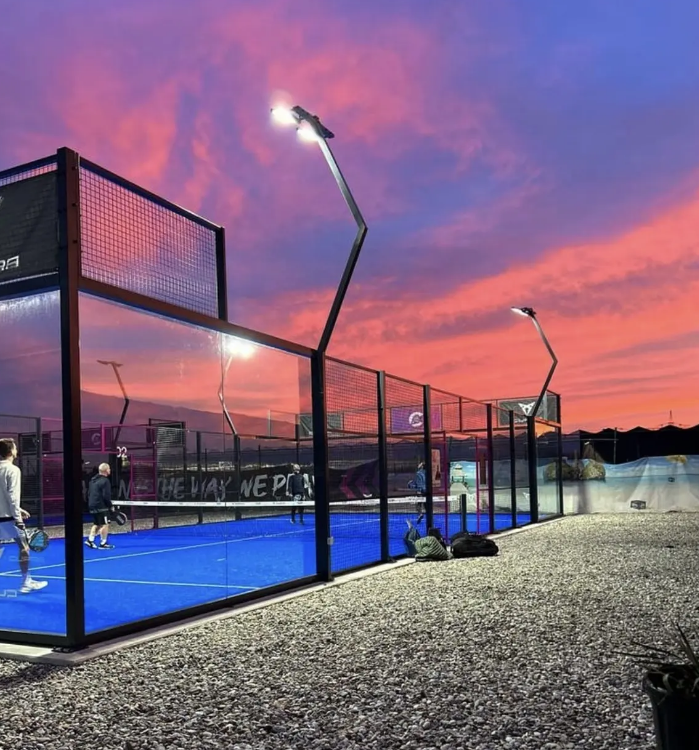
Global Expansion: Padel’s Rapid Adoption Across Continents
30+ Million Players in 130+ Countries — Measuring the Padel Surge
The number of people playing padel has gone up twofold since 2017, reaching over 30 million players worldwide across more than 130 countries according to figures from the International Padel Federation plus various national organizations. The sport ranks right up there with the fastest growing games on the planet these days, with Europeans making up almost 60% of all players while Latin American nations are really taking off with it too. Simple rules, smaller courts that fit anywhere, and not needing expensive gear have helped padel catch on fast in city parks and schoolyards everywhere. What makes padel special though is how it brings together people of all ages, both men and women, whether they're super fit or just looking for fun exercise. This wide appeal explains why we're seeing so much growth happening now in Asian markets and across North America, turning what was once just a local game into something truly global.
63,000 Courts and Counting: Infrastructure Growth (240% Increase, 2019–2022)
The number of padel courts around the world shot up by about 240% from 2019 to 2022, now totaling well over 63,000 across the globe. Compared to traditional racquet sports, padel has some clear advantages. Padel courts take up roughly 30% less space than their tennis counterparts, which explains why they keep popping up everywhere these days. We see them in multi-sport complexes, old buildings getting second lives as sports facilities, and even inside temperature-controlled domes that let people play all year round no matter how cold it gets outside. This practical approach to expansion helps explain why padel participation keeps growing at around 15% per year. And if trends continue, someone somewhere is probably opening another padel court right now – actually, about 35 new ones appear globally every single day.
| Growth Dimension | 2019 Baseline | 2024 Status | Growth Rate |
|---|---|---|---|
| Global Players | ~15 million | 30+ million | 100% |
| Participating Nations | 90 countries | 130+ countries | 44% |
| Court Infrastructure | 18,500 courts | 63,000+ courts | 240% |
Inherent Accessibility: Why Padel Lowers Barriers to Entry
Smaller Courts, Slower Balls, and Faster Learning Curve
A padel court is about a third smaller than a regular tennis court, which makes the whole space feel less intimidating when someone is just starting out. The balls used are also different from tennis ones since they don't compress as much and move around about 25 percent slower. This means longer rallies happen naturally without players getting frustrated so quickly. Players grab hold of solid rackets with holes in them instead of dealing with all those complicated strings. And best of all, those glass walls mean even if someone hits the ball way off target, it still stays in play rather than bouncing out of bounds. Most new players find themselves hitting back and forth consistently right from their very first game, something that rarely happens in tennis where people usually struggle at first. Getting these quick wins helps build skills faster, boosts confidence, and keeps people coming back week after week.
40% Female Participation and Broad Age Inclusivity
What makes padel different from other racket sports is how evenly men and women play it around the world. About 40% of people who play globally are women, according to various surveys done by sports federations and market research companies. Why does this happen? Well, padel was designed with safety in mind. The game doesn't put too much stress on joints, so players don't get injured as easily. At the same time, it still gives a good workout for heart and muscles. That's why kids as young as eight can play alongside grandparents who are eighty years old. The small court size actually helps bring people together. We see grandparents and teenagers playing together all the time. Club managers tell us there has been something like a 60% jump in bookings where multiple generations come out to play since the pandemic started back in 2020. This shows just how family friendly padel really is when it comes to building communities.
Social Architecture: How Doubles Play and Community Drive Padel’s Appeal
Clubs as Social Hubs — Belonging, Consistency, and Pandemic-Era Resilience
The fact that padel requires doubles play means it naturally brings people together, fosters communication, and creates shared experiences on court. According to surveys from the federation, around two thirds of women who play mention community as their main reason for getting involved. Padel clubs aren't just places to play anymore they've become real hubs where folks connect through league play, special themed nights, and those informal hangouts after matches. Even when everything got turned upside down globally, outdoor padel saw something crazy happen participation jumped by 240% from 2019 to 2022 as people looked for ways to stay active while still being around others safely. Modern facilities now include lounge areas, coffee spots, and varied schedules specifically designed to keep that feeling of belonging alive. It's not just about playing the game anymore it's really about blending sports with regular social interaction.
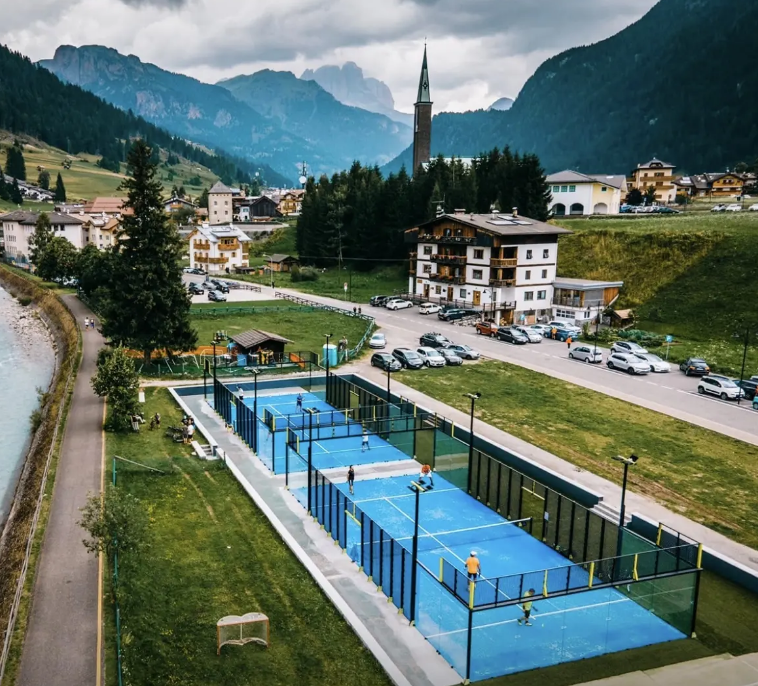
Catalysts of Credibility: Celebrity Endorsement, Professionalization, and Health Benefits
Ronaldo, Nadal, and Premier Padel — Boosting Visibility and Investment
Padel is getting serious attention thanks to big name supporters who have really boosted its reputation. Take Cristiano Ronaldo and Rafael Nadal for instance. These guys aren't just investing money in clubs, they're out there promoting the game actively on their massive social media followings. That kind of exposure makes padel look normal to people who wouldn't normally pay attention to it. When stars like them get involved, companies start taking notice too. We see more sponsorship deals happening now, plus TV networks are showing matches on regular channels rather than just specialty sports programming. The Premier Padel tour has also stepped things up a notch lately. They've managed to bring top level players into the fold while negotiating broadcast agreements around the world. What happens next? Well, when elite players play professionally, local communities take interest. More kids pick up paddles, coaches get funded, and eventually we end up with better players coming through the system. And that means bigger crowds at events, more revenue streams for organizers, and ultimately a healthier business model for everyone involved in the sport.
Low-Impact, High-Engagement Fitness — Cardiovascular, Agility, and Lifelong Value
Padel works out the whole body without putting too much strain on the joints. The game mixes cardio exercise with quick side-to-side movements and fast reactions when hitting the ball, burning around 400 to 600 calories an hour. Plus, since the court is smaller and the ball doesn't travel as far as in tennis, there's less wear and tear on knees, hips, and shoulders. That means people can keep playing for years without getting injured. A study published in the British Journal of Sports Medicine last year found that folks who play padel regularly have about a 27% lower chance of developing heart problems. And let's not forget about the mind benefits either. Playing padel releases those feel-good chemicals called endorphins, requires some thinking ahead during matches, and keeps players socially engaged with others. All these factors together help build mental toughness and improve overall mood.