
 EN
EN



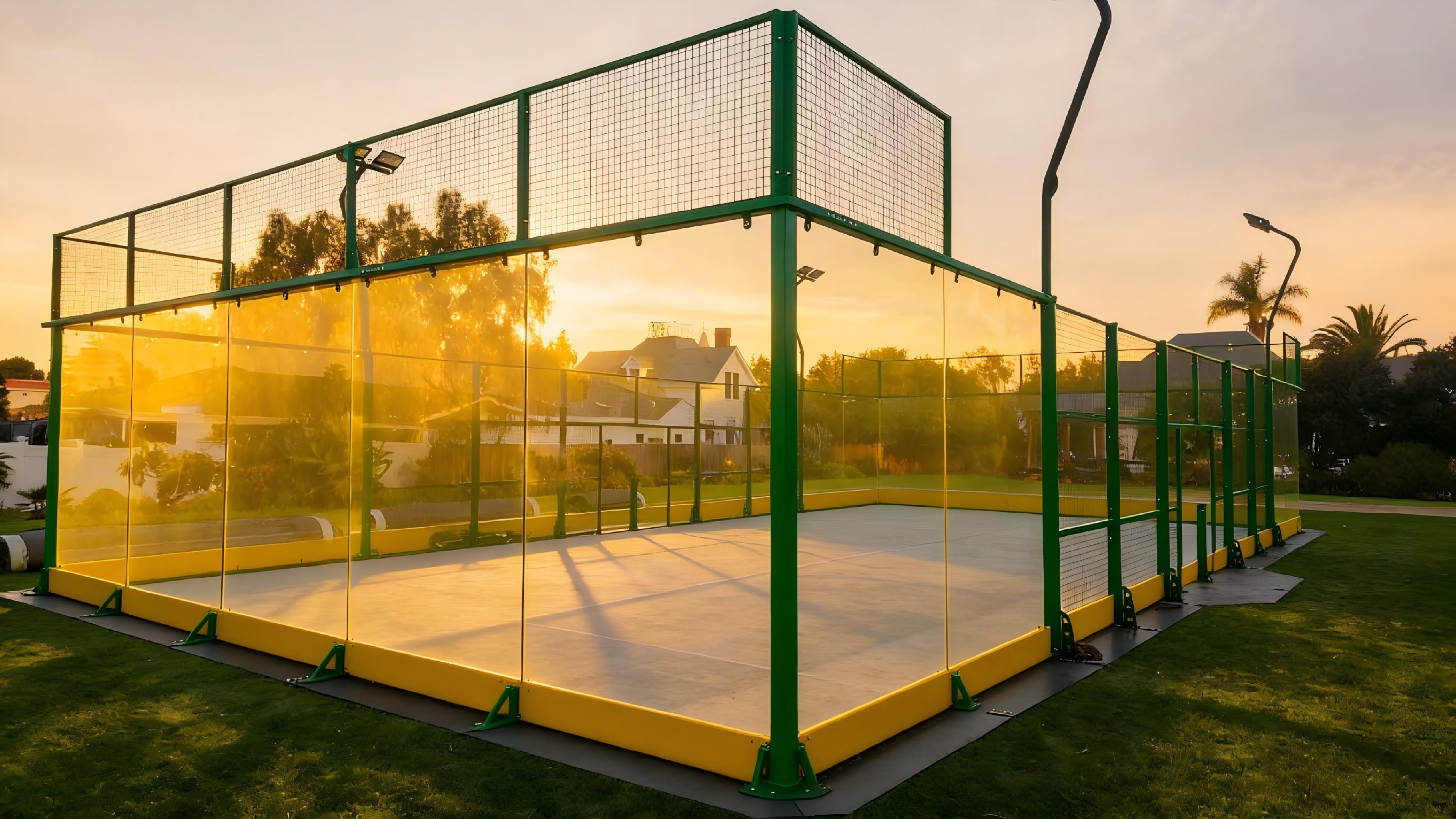
Site Selection and Preparation for Canchas de Padel
Topographic, Soil, and Accessibility Assessment
When choosing the best location for a project, there are basically three things that matter most. First, the land should be fairly flat, ideally with slopes under about 1% so water can drain naturally without needing extra systems. The ground underneath also needs to hold up well under weight, which means checking if it's compact enough through proper tests. Sometimes the soil just isn't stable enough and will need fixing work before anything gets built. Getting close to existing power lines and water connections makes a big difference too. Sites near paved roads cut down on what we spend building new infrastructure and make moving materials around much easier. Don't forget about people who might need special access either. Emergency services need to reach the site quickly, and folks with mobility issues shouldn't face barriers. We've seen cases where poor planning in this area ends up costing anywhere from 10 to 15 percent more in ongoing maintenance and adjustments down the line.
Drainage and Weather Protection Considerations
Good drainage starts with those perimeter French drains we all know about those little holes in the PVC pipe buried in clean gravel and then there's the grading work too making sure the ground slopes just right so water flows into those collection channels instead of sitting around. The whole setup stops problems like standing water soaking into foundations and causing damage over time. Courts outdoors need special attention too. Putting up some kind of wind protection and using materials that can handle sun exposure really helps fight against nature wearing things down. Get this stuff right and courts last way longer than they should maybe around eight or nine years extra because frost doesn't push things up anymore, surfaces don't erode away so fast, and the base underneath stays strong instead of getting weak and crumbly.
Regulatory Compliance (FIP Standards) and Local Permitting
The ball game really begins with those strict space rules set by the FIP for padel courts wanting tournament status. Courts need at least 3 meters of open space behind the baseline according to these regulations. Getting local permits involves several steps too. First comes checking if the property zoned properly, then getting engineers to approve the structure, plus making sure everything meets accessibility standards required by law. When facilities skip these steps, they face major headaches down the road. Some places in Florida learned this the hard way back in 2023 when authorities started cracking down. Several clubs ended up paying tens of thousands in fines and had to tear down parts of their courts because they didn't follow the rules from the start.
Canchas de Padel Design and Layout Requirements
FIP-Compliant Court Dimensions, Height, and Enclosure Specifications
According to the International Padel Federation (FIP), padel courts should measure exactly 20 meters by 10 meters. The net stands at 0.88 meters tall right in the middle, while it reaches 0.92 meters at each post. When building indoor facilities, there needs to be at least 6 meters of space between the floor and ceiling, though experts actually suggest going for 8 to 10 meters so players can hit those powerful overhead shots without worrying about hitting their heads. Most court enclosures feature 3 meter high tempered glass walls that are typically 10 to 12 millimeters thick, combined with either galvanized steel or aluminum mesh running all the way up to the top of the enclosure. This particular setup works really well because it allows balls to bounce predictably, holds up against accidental bumps during intense play, and lets everyone watching see clearly what's happening on court whether they're just having fun or competing at the highest level.
Clearance Zones, Multi-Court Spacing, and Spectator Area Planning
Leaving at least one meter of space around every court helps prevent players from bumping into each other and gives them room to move freely during intense matches. When multiple courts are installed together, it's important to leave about two to three meters between them so people can get out in case of emergencies, maintenance crews can do their work, and players don't end up stuck waiting for others to pass. For spectators watching from the sidelines, setting up raised platforms made with slip-resistant materials behind the back wall makes sense since they won't interfere with play. Good design includes proper wheelchair access through ramps that meet accessibility standards, sturdy handrails along walkways, and careful placement so everyone has a decent view regardless of where they sit. Getting these details right creates a better experience for both players and fans alike.
Foundations and Structural Materials for Canchas de Padel
Concrete vs. Asphalt Foundations: Load-Bearing Capacity and Longevity
Most padel courts rely on concrete bases that range from about 12 to 20 centimeters thick with steel reinforcement bars running through them. These foundations can handle the weight of enclosures and all the action during matches without warping much even when temperatures fluctuate day to day. Sure, the price tag is bigger at first glance compared to other options. But think about it this way: concrete lasts well over two decades with hardly any upkeep needed, which makes sense financially if we're talking about the whole lifespan of the court. Asphalt might seem cheaper initially, but it tends to crack under stress, develop those annoying ruts where water pools, and generally breaks down faster especially when exposed to really hot weather or repeated freezing and thawing cycles. Players end up risking their safety on these surfaces, plus fixing them ends up costing more money down the road anyway.
Tempered Glass, Galvanized Steel, and Artificial Turf: Performance and Durability Metrics
How materials perform really affects safety, how consistent things stay, and how long they last overall. The tempered glass walls we use are around 10 to 12 millimeters thick. They bounce balls predictably when kids play, and importantly, they pass those EN 12600 safety tests for when someone might accidentally bump into them. For the framework, galvanized steel is our go-to choice because it doesn't rust easily even in places where there's lots of moisture or salt air near the coast. This means the whole structure stays strong and stable for many years without warping or bending. Our artificial turf surface is made from polymer fibers filled with sand. It gives good grip so children don't slip, absorbs shocks properly to protect joints, and reduces how tired players get during extended games. Every single material goes through proper testing according to industry standards like ISO 4892 for UV resistance, EN 13501-1 for weather proofing, and checks for wear and tear. We actually run these materials through thousands of simulated game situations to make sure they hold up under real conditions.
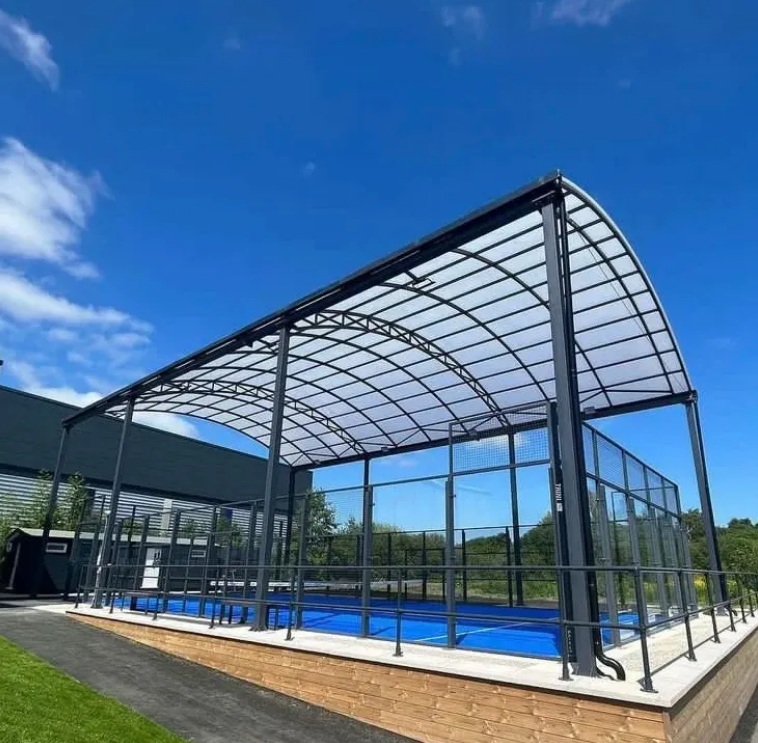
Lighting, Safety, and Certification for Canchas de Padel
LED Lighting Systems: Uniformity, Glare Control, and Night-Play Certification
Good lighting without glare is absolutely essential when it comes to competitive matches that go on for hours. The FIP sets standards here too - they require around 500 lux levels for actual tournaments while recreational areas need at least 200 lux. There's also something called illuminance uniformity which needs to be above 0.7 so players don't get confused by shadows during those quick back-and-forth exchanges. Switching to modern LED lighting can really save money though, cutting down energy consumption somewhere between two thirds to four fifths compared to older HID lights. Special anti-glare features help reduce eye strain especially important for tricky overhead shots such as the bandeja or vibora techniques common in certain styles of play. When setting up lights for nighttime games, remember that asymmetric lenses installed between six and eight meters high have to meet not only FIP rules but also the EN 12193 standard for proper sports lighting conditions.
Impact-Absorbing Surfaces, Wall Padding, and Netting Safety Standards
Good safety infrastructure can cut down on injuries from impacts by around 40%, which makes a real difference in sports facilities. For perimeter walls, the padding needs at least 30mm thickness made from those special shock absorbing polymers that handle repeated hits from forces over 200kg. The tempered glass panels aren't just any glass either they have to pass these EN 12600 tests so when something breaks it shatters into small pieces rather than sharp shards. Netting systems are another key component requiring strong galvanized steel frames and mesh fabric that resists UV damage. The holes in the mesh need to stay under 45mm apart so balls don't get stuck. Getting third party certification like TÜV SÜD isn't optional really it's necessary to confirm everything works properly structurally, lasts long enough, and holds up against harsh weather conditions. Look at the numbers too facilities lacking proper certified padding end up failing nearly 8 out of 10 official safety checks based on audits across Europe.