
 EN
EN



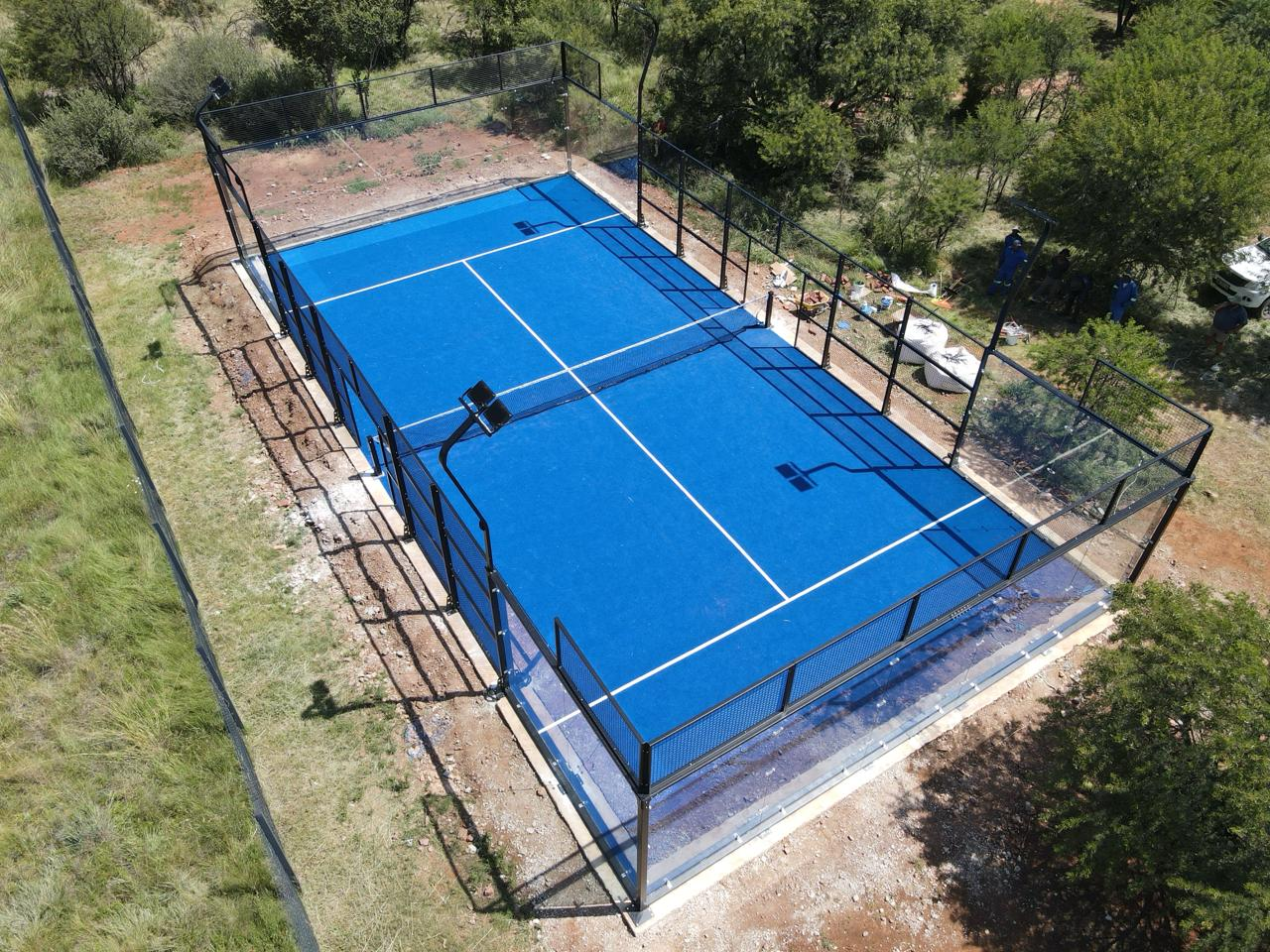
Environmental Impact Reduction in Padel Court Construction
Lower Carbon Footprint with Recycled Rubber, Bamboo, and CLT
When we switch to greener stuff like recycled rubber infill, bamboo panels, and cross laminated timber (CLT), we cut down on embodied carbon by around 40% compared to regular building methods. Recycled rubber takes care of those old tires piling up everywhere each year, keeping them out of landfills while still providing good shock absorption that players need for their safety. Bamboo grows super fast too, sometimes as much as 1.5 meters in just one day, so it's basically a renewable resource that actually helps reduce carbon levels instead of adding to them when compared to those slow growing hardwoods. CLT gets made at factories with lots of precision before being shipped to sites, which means about 30% fewer transportation emissions than traditional methods. Plus, it stands up well structurally without needing all that concrete foundation work. All together, these materials make padel courts much better for the environment, and they still perform just as well and last just as long as conventional options do.
Water Conservation via Permeable, Non-Compacted Foundations
Permeable sub base systems stop water from collecting on surfaces and take away the need for regular watering. Courts built with geotextile membranes laid over layers of gravel and crushed stone can let about 95% of rainwater soak naturally into the ground. This helps reduce contaminated runoff and protects underground water sources too. Compared to standard asphalt that doesn't allow water through at all, these loose foundation materials keep the soil's ability to absorb water intact. Each court can actually put back around two million liters of water into the ground every year. Combine this with smart slope design and systems that collect rainwater where it falls, and sports facilities can slash their dependence on city water by nearly two thirds. Such approaches not only help ecosystems stay healthy but also make sense financially over time as maintenance costs drop significantly.
Health, Safety, and Performance Benefits of Sustainable Padel Court Surfaces
Non-Toxic, Low-VOC Materials for Player and Community Wellness
Traditional court coatings tend to release volatile organic compounds (VOCs) into the air, which can cause breathing problems and pose health risks over time, particularly inside buildings or partially enclosed spaces. According to recent data from the Indoor Air Quality Council in 2023, low-VOC acrylic options along with plant based binders cut down on indoor pollution by roughly 80% compared to regular surfaces. These newer materials don't contain harmful substances like heavy metals or formaldehyde, so they help avoid skin issues when athletes are actively playing sports. They also significantly reduce the amount of chemicals released into the air in places where people gather. When paired with permeable foundation systems that naturally filter rainwater before it reaches nearby water sources, this combination not only keeps players healthier but also helps protect the environment around them.
Enhanced Durability and Consistent Ball Response in Recycled-Turf Systems
Turf made from recycled polyethylene (rPE) lasts way longer than regular nylon fields, standing up to twice as much wear while still keeping that tournament quality feel for over a decade with hardly any maintenance needed. When filled with sand, these surfaces give pretty consistent ball bounce too, only varying around 3% which makes all the difference when players need to make those precise slides during matches. The backing material also absorbs shocks better, cutting down on joint stress by roughly 30%. This means fewer injuries for kids just starting out as well as seasoned athletes pushing their limits. And here's something else worth mentioning: when these fields eventually reach the end of their life cycle, most of the rPE parts can actually get reused or turned into other products without losing any of their original performance qualities. That kind of circular economy approach keeps things going long after installation day.
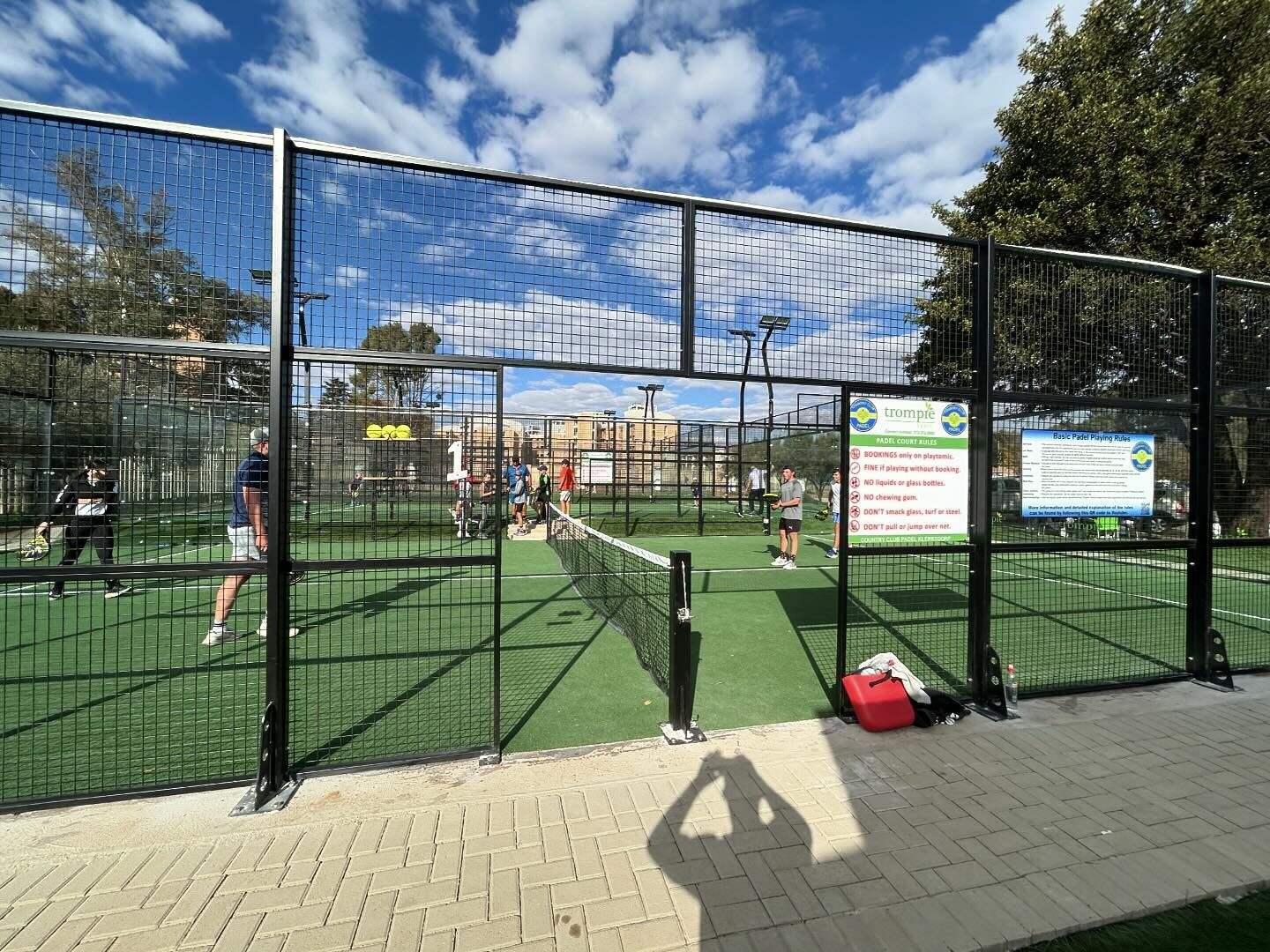
Circular Economy Alignment: From Installation to End-of-Life
Design for Disassembly: Modular Aluminum Frames and PE+PP Turf Recycling
When building sustainable padel courts, circular thinking starts right at the beginning. The modular aluminum frames can be taken apart completely without any damage. This means those frames, posts, and even the netting systems get reused again and again for different court setups. For the playing surface, we're seeing more use of PE+PP turf materials. These are basically single material systems which makes separating them out much easier when it comes time to recycle everything later on. According to industry studies, these kinds of designs cut down on landfill waste by around 90% compared to old fashioned courts made from mixed materials. Regulations are also pushing things in this direction. Take the EU Council's stance on car recycling in 2025 for instance. It shows how governments worldwide are getting serious about making products recyclable from day one. And guess what? These same principles apply perfectly well to sports facilities too. Courts built this way actually save between 15% to 30% over their entire lifespan because so many materials can be recovered. Plus they still need to perform great and keep everyone safe during play.