
 EN
EN



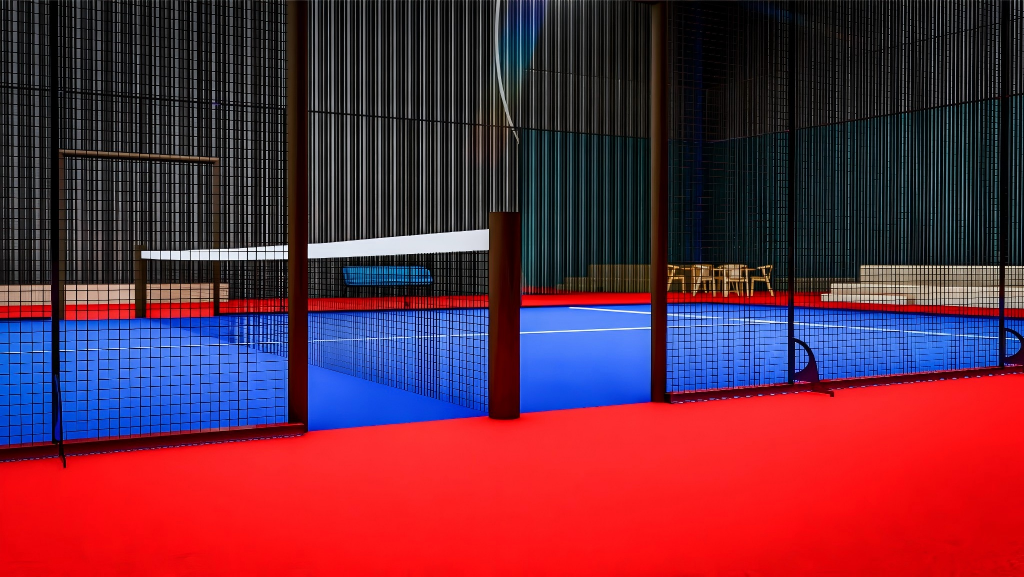
FIP-Compliant Padel Tennis Court Dimensions: The Foundation of Play
Why the 20m — 10m Layout Is Non-Negotiable for Competitive and Recreational Integrity
According to the International Padel Federation (FIP), all official courts need to measure exactly 20 meters by 10 meters, which translates roughly to around 65 feet 7 inches long and 32 feet 9 inches wide. These specific dimensions help keep the ball bouncing consistently, make sure players stand in fair positions relative to each other, and allow for proper shot making during matches. The rules actually state that competitive courts can't differ from these measurements by more than half a percent either way (as per FIP guidelines from 2024). This tight control helps maintain fairness throughout tournaments worldwide. When recreational facilities follow this standard size, they create an environment where people can practice real padel as it should be played. Courts that don't meet these specs tend to mess with how balls travel through the air and affect how players move around, which ruins the experience for both serious competitors and folks just having fun on weekends.
Tolerance Guidelines and Practical Measurement Tips (Meters vs. Feet, Laser vs. Tape)
Precision validation is essential to meet FIP’s ±0.5% tolerance. Laser distance measurers outperform tape measures over long spans, eliminating sag-induced error. For clarity and field use:
| Measurement | Meters | Feet |
|---|---|---|
| Length | 20m | 65.6 ft |
| Width | 10m | 32.8 ft |
Key verification steps:
- Diagonal corner-to-corner measurement must be 22.36m ±0.11m.
- Net placement must be exactly 10m from each baseline, per FIP Court Validation Protocols.
- Compact laser tools enable rapid, repeatable field checks—critical for contractors and facility managers verifying compliance pre-certification.
Vertical & Perimeter Constraints: Walls, Net, and Clearance for Safe, Legal Play
Wall Heights and Materials: Front (3m), Side (2m), Back (3m) and Their Impact on Gameplay
The height requirements for walls in these facilities matter a lot when it comes to how balls bounce off them and what strategies players need to develop. Front and back walls must be at least three meters tall, whereas side walls can be two meters. Tempered glass panels that are around 10 to 12 mm thick give consistent bounces at high speeds, making them great for those tricky wall plays that require precision. Steel wire mesh on the other hand creates unpredictable bounces that test reaction times and change up the pace of rallies completely. From a structural standpoint, the bottom part of the walls needs to be solid up to three meters high to keep everything stable. The top section is usually made of angled mesh so it doesn't hit the ceiling when someone hits a lob shot. This setup keeps everyone safe while still following regulations and allowing for proper gameplay dynamics.
Net Height Specifications (0.88m center / 0.92m posts) and Alignment Best Practices
Official padel nets sit at 88 centimeters in the middle and rise to 92 cm at each post, creating that intentional 4 cm curve which makes it harder to smash through but rewards players who master those tricky drop shots and low volleys. Keeping the tension just right matters too the specs call for staying within plus or minus 1 cm, something achieved through those central straps connected to special tension adjustment systems. For outdoor courts, manufacturers use UV resistant materials so the net doesn't degrade over time, and they round off the corners on the posts to reduce chances of getting hurt when players grab onto them during intense rallies. Getting everything aligned properly involves checking against court lines with lasers, following strict guidelines set by the International Padel Federation regarding net placement.
Beyond the Playing Area: Line Markings, Safety Zones, and Total Site Requirements
Regulatory Line Details: Width (5cm), Service Zones (3m), and Central Line Precision
The lines on the court need to measure around 5 centimeters across so players can see them clearly even when moving fast during matches. The service areas run about three meters out from where the net sits, marking where serves are allowed to start. And that middle line dividing the court? It has to split things right down the center with almost perfect precision. Courts that aren't marked correctly often lead to arguments between players or get tossed out of official competitions altogether. Keeping all these measurements consistent helps avoid confusion and meets what FIP asks for when they want courts evaluated fairly and consistently across different locations.
Overhead Clearance (6m minimum, 8m ideal) and Structural Planning for Indoor/Outdoor Courts
The amount of vertical space available makes a big difference in what shots players can take and how safe they are during play. Regulations say at least 6 meters is needed for those high shots like lobs and overhead smashes, but most experts really push for around 8 meters if possible so nobody feels restricted in their movement. When designing indoor courts, facility planners need to work around all sorts of things like lighting fixtures, heating and cooling systems, plus fire sprinklers while still keeping enough headroom for comfortable play. For outdoor courts, checking out potential hazards becomes important too — things like branches hanging over from nearby trees, signs mounted above the court area, or even parts of neighboring buildings that might get in the way. Creating this extra space between the top of the court and anything above helps prevent accidents where balls hit unexpected objects or people walking by. This becomes especially crucial when turning old warehouses into sports facilities or giving new life to buildings that weren't originally designed for athletic activities.
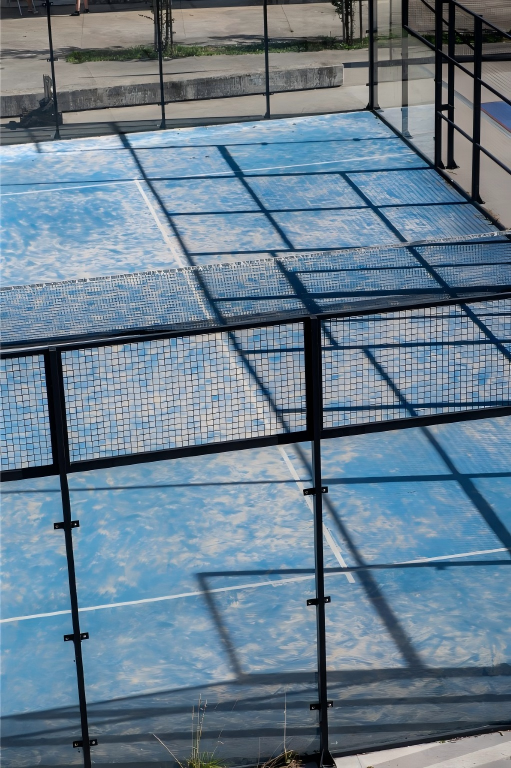
Adapting the Padel Tennis Court Size to Real-World Constraints Without Compromising Playability
When cities get packed and property sizes shrink, we need to get creative with our designs while keeping the fun factor alive. That's why we see so many multi story sports centers popping up these days, plus lots of courts installed on rooftops too. They take advantage of height instead of spreading out horizontally. Sometimes though, there just isn't enough room left. In those cases, smaller setups around 6 meters by 10 meters work okay for casual games, but they won't cut it for official tournaments. What really matters now when space gets tight? The walls themselves become super important. Tempered glass that's specially treated for better rebounds makes all the difference in maintaining consistent shots even when court size drops. We always check everything against the FIP bounce specs too. Why? Because cutting down court length by about 10 percent actually changes how balls bounce off at angles roughly 15 degrees different from normal. That completely messes with game strategies. At the end of the day, what counts most is making sure players can move freely and expect regular ball behavior regardless of where they happen to be playing.
Table of Contents
- FIP-Compliant Padel Tennis Court Dimensions: The Foundation of Play
- Vertical & Perimeter Constraints: Walls, Net, and Clearance for Safe, Legal Play
- Beyond the Playing Area: Line Markings, Safety Zones, and Total Site Requirements
- Adapting the Padel Tennis Court Size to Real-World Constraints Without Compromising Playability