
 EN
EN


Core Material Lifespan: How Steel, Glass, and Surface Systems Define Durability
Steel Framework & Concrete Foundations: Structural Integrity Under Load and Climate Stress
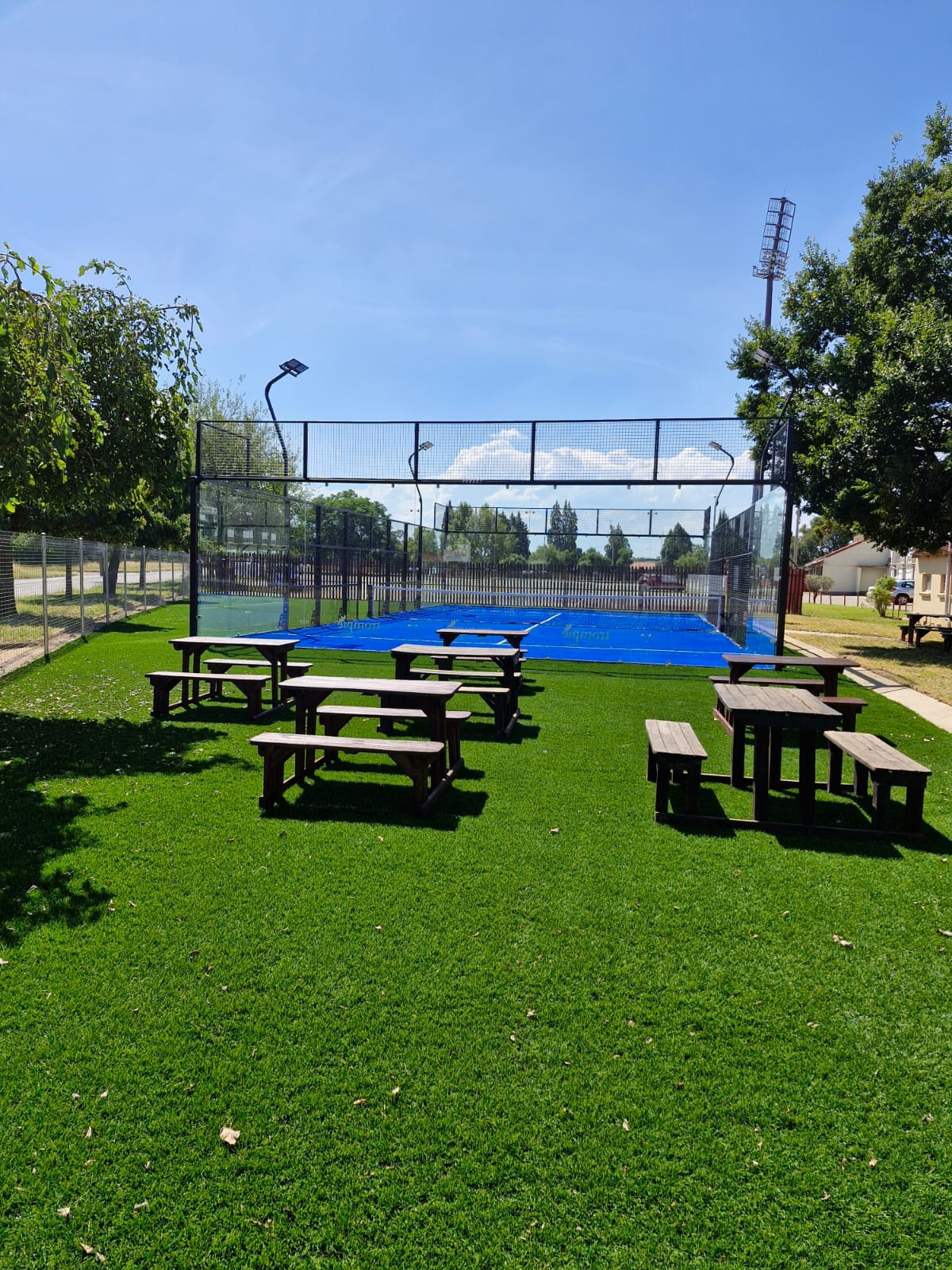
Padel courts need solid construction, typically built with high quality galvanized steel frames and strong concrete bases. The hot dip galvanization process meets ISO 1461:2022 standards and helps protect against rust caused by moisture, salty air, and changing temperatures. These structures can hold up for many years if designed properly to handle weights over 5,000 kg and local earthquake risks. For the concrete part, we recommend slabs around 20 centimeters thick with reinforced connections and good slope for drainage. This prevents cracks that happen when the ground shifts or goes through freezing and thawing cycles. Adding expansion gaps between sections and installing proper drainage is also important since standing water causes problems faster than most people realize for both metal and concrete components.
Glass Walls & PVC Membranes: UV Resistance, Impact Tolerance, and Degradation Thresholds
Glass walls that have been tempered (usually about 12 mm thick) can actually take hits from balls going over 100 km/h thanks to their compressed surface treatment. When these panels are properly anchored and protected from harsh winds carrying abrasive particles, they maintain clear visibility and stay safe for well over 15 years. But there's one catch: long term exposure to sunlight slowly weakens their ability to resist breaking. Meanwhile, the PVC membranes next door don't last nearly as long because they face multiple challenges at once - constant UV radiation, repeated heating and cooling cycles, plus all sorts of physical stresses that wear them down much faster.
| Material Property | Performance Threshold | Replacement Indicator |
|---|---|---|
| UV Resistance | 5–7 years | Fading > 40% or surface cracking |
| Impact Tolerance | 8–10 years | Visible denting > 2 mm depth |
Premium ethylene-vinyl acetate (EVA) coatings improve longevity by reflecting infrared radiation while preserving consistent ball friction—without compromising impact absorption.
Artificial Turf vs. Acrylic Surfaces: Wear Resistance, Tension Retention, and Biological Growth Control
Surface materials bear the brunt of daily play, and their durability diverges significantly:
- Artificial turf systems require polypropylene or polyethylene yarns with density exceeding 12,000 denier to resist foot-shoe abrasion. Even then, high-traffic zones typically show 15–20% fiber loss after five years. Antimicrobial treatments help control mold and algae in humid climates, but tension loss remains the primary failure mode—causing hazardous wrinkles that necessitate full replacement after 8–12 years.
- Acrylic surfaces, built with polymer-modified quartz layers, offer superior crack resistance compared to turf. However, they demand meticulous joint sealing to prevent water infiltration, which can erode the sub-base and compromise adhesion. Routine sweeping and annual resurfacing preserve consistent ball bounce for 10–15 years; full replacement becomes necessary when texture depth falls below 1.5 mm due to abrasive wear.
Critical External Factors That Shorten or Extend Padel Court Lifespan
How long surfaces last depends heavily on where they're installed and how much they get used, sometimes more so than what materials were chosen initially. Sunlight takes a real toll on artificial grass fibers over time, and those colorful acrylic coatings break down pretty fast too. In places with harsh winters, repeated freezing and thawing can really weaken concrete foundations. Rainy areas are another problem spot when drainage isn't properly handled - puddles sitting around for weeks will eventually seep into underground layers and cause serious problems within half a year or so. Sports complexes that run nonstop all day see their surfaces wear out about 30 percent quicker compared to facilities that only open occasionally. For coastal properties, salty sea air eats away at metal components much faster than expected, which is why proper protective coatings matter so much. Smart site planning makes all the difference though. Adding things like windbreaks, shaded areas, and positioning fields strategically against prevailing winds cuts down on weather-related stress significantly. Many facility directors report getting over 15 years out of their installations just by incorporating these climate considerations from day one, even in tough environments.
Proven Maintenance Strategies to Maximize Padel Court Service Life
Drainage Optimization, Debris Management, and Seasonal Inspections
Keeping water from pooling around surfaces is actually where good maintenance starts. Courts that don't have their drainage systems properly maintained tend to see their structural life cut short maybe around 15% each year. Getting rid of debris on a daily basis helps protect the turf fibers from wearing down too fast and keeps the infill clean, which makes all the difference when it comes to how balls bounce and roll across the surface. We recommend doing full seasonal checks every three months or so. These inspections should look at things like whether those glass panels are still intact, if there's any rust forming on metal frames, how tight the turf stays in place, what shape the sealants are in, and most importantly, how well water drains away. Spotting problems early like old gaskets or blocked drainage channels can save roughly 40% in repairs down the road according to some studies from last year. The best results come from combining regular brushing with deeper cleanings twice a year from professionals. Courts maintained this way often last over 15 years instead of only 8 to 10 when people wait until something breaks before fixing it.
Real-World Lifespan Benchmarks: What Industry Data Shows for High-Quality Padel Courts
Looking at industry numbers shows pretty consistent lifespan trends for padel courts that are professionally installed, especially when good materials meet solid installation practices and regular maintenance happens. Steel frames made from hot dip galvanized steel that meets those ISO specs tend to resist corrosion really well, with tests showing less than half a micrometer of damage each year in salt spray conditions. That kind of protection means these courts can stick around for over 25 years even near the coast where humidity is always an issue. For concrete bases, they usually hold up around 15 to maybe 20 years before needing serious work, provided there's decent drainage and the concrete was properly cured during construction. The surfaces themselves don't last as long though. Artificial turf gets worn down fast in high traffic areas and needs replacing roughly every four to six years no matter how carefully it's maintained. Acrylic coatings perform best for about eight to ten years before losing their grip or breaking down from repeated stress. Courts that get checked by professionals every three months and have small problems fixed right away tend to hit those maximum lifespan numbers we mentioned earlier, which proves once again that regular maintenance makes all the difference in extending how long these facilities stay functional.
Table of Contents
- Core Material Lifespan: How Steel, Glass, and Surface Systems Define Durability
- Critical External Factors That Shorten or Extend Padel Court Lifespan
- Proven Maintenance Strategies to Maximize Padel Court Service Life
- Real-World Lifespan Benchmarks: What Industry Data Shows for High-Quality Padel Courts