
 EN
EN



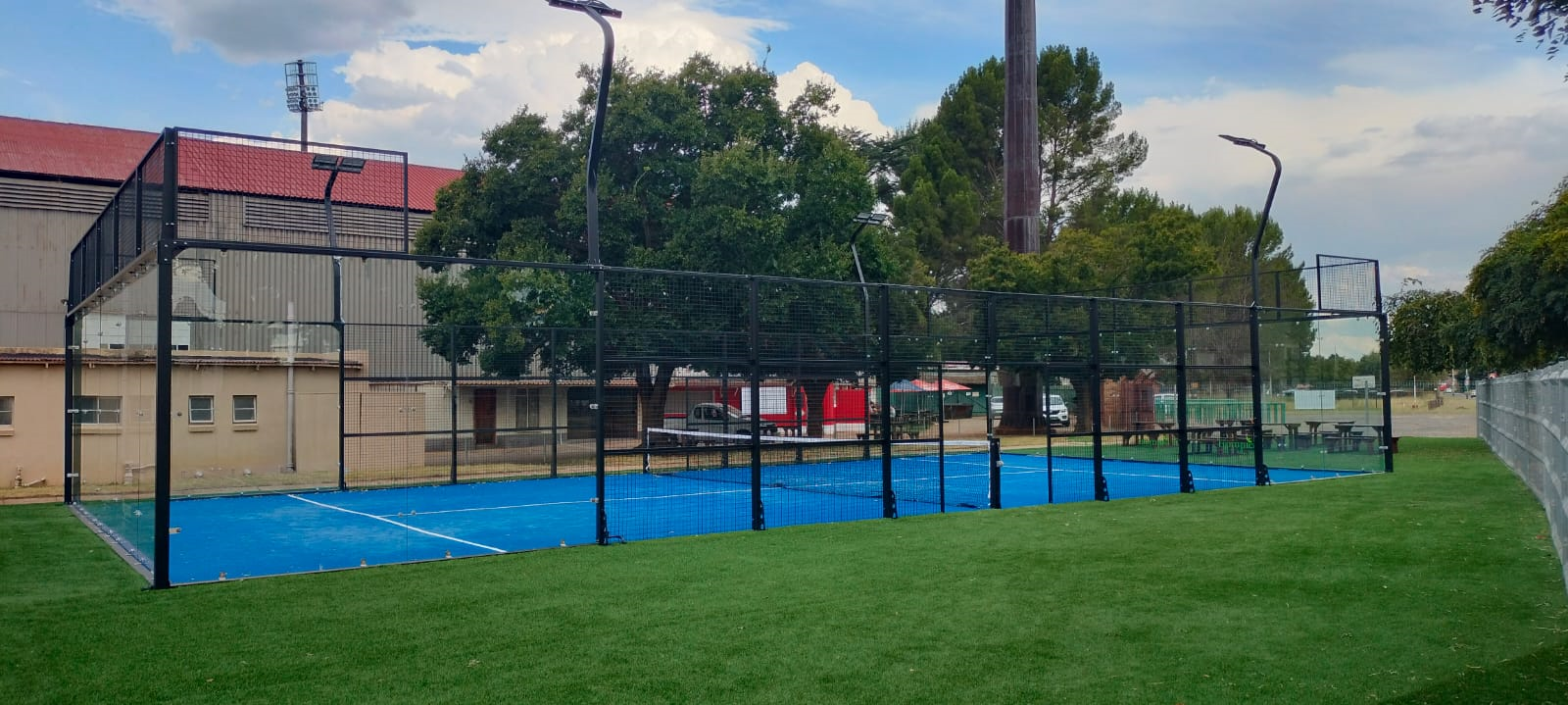
Padel Court Dimensions and Enclosed Structure
Standard 20m × 10m Layout and Tactical Consequences of Compact Enclosure
Padel courts measure around 20 meters by 10 meters, which is about a third smaller than regular tennis courts. This tight space changes how the game plays out completely. Players don't have far to run, so reactions need to happen fast. Volleys at the net become super important, along with quick steps back and forth across the baseline. What really makes padel different are those walls surrounding the court. They're not just there for decoration they actually become part of the game. Balls can bounce off walls in ways that would never happen on an open court. When playing doubles, everyone needs to keep track of where their partner is at all times because angles get tricky real quick. Every point turns into this dance of positioning and guessing where the ball might go next. The whole setup favors smart play and good timing rather than brute strength, which explains why so many people find padel easy to pick up but hard to master.
Wall Height (3m) and Net Height (0.85m): How Vertical Boundaries Define Play Style
Padel courts have these 3 meter walls around them and a net sitting at about 0.85 meters high, which basically sets the stage for how players need to approach their shots. The back wall made of tempered glass keeps most of the ball's speed intact when it bounces back, somewhere between 70 to maybe 80 percent, and returns pretty much the same angle it hit. That makes certain offensive moves possible, think things like the famous bandeja shot or that tricky víaora technique. Now the sides are different story though. They're steel mesh and eat up a lot of energy, cutting down on bounce speed by more than half sometimes. Players actually find this useful for setting up defense or throwing off opponents' timing completely. And let's not forget about that short net. It really limits those big looping shots, so players end up relying more on sliced balls, delicate drop shots, and tight groundstrokes instead of going all out with topspin. All these wall characteristics together create something special in padel that feels totally different compared to regular tennis or even pickleball. There's just this emphasis on being super precise with every touch and understanding the court geometry better than anyone else.
Surface and Ball Dynamics Unique to Padel Courts
Artificial Grass Dominance: Consistency, Pace, and Low-Spin Response vs. Tennis or Pickleball Surfaces
Most padel courts feature sand-filled artificial turf as their playing surface. This type of surface was designed to offer consistent play conditions with moderate speed and predictable low bounces. The game differs from tennis which has varied surfaces like clay, grass, and hard courts, or pickleball played on rigid acrylic surfaces. Padel's synthetic turf actually reduces spin response by about 15 to 20 percent when compared to standard tennis hardcourts. The bounce remains nearly uniform with deviations under 5 percent, making it easier for players to engage in quick volleys without needing excessive topspin. Another benefit is how this surface absorbs impact, putting less strain on joints than traditional hard courts would. For anyone who plays padel regularly, this consistency makes all the difference. In such a tight space where walls come into play constantly, being able to anticipate exactly how the ball will behave becomes crucial during those split second decision moments that define successful play.
Key differences emerge across sports:
| Surface Characteristic | Padel (Artificial Turf) | Tennis (Clay/Hardcourt) | Pickleball (Acrylic) |
|---|---|---|---|
| Ball Speed Retention | Medium (controlled deceleration) | High (minimal friction) | Low (high friction) |
| Spin Responsiveness | Limited (15–20% less topspin) | High (especially clay) | Minimal |
| Bounce Consistency | Near-uniform (±5% deviation) | Variable (weather-dependent) | Predictable but rigid |
| Player Impact | Lower joint stress (shock-absorbent) | Higher fatigue (hard surfaces) | Moderate cushioning |
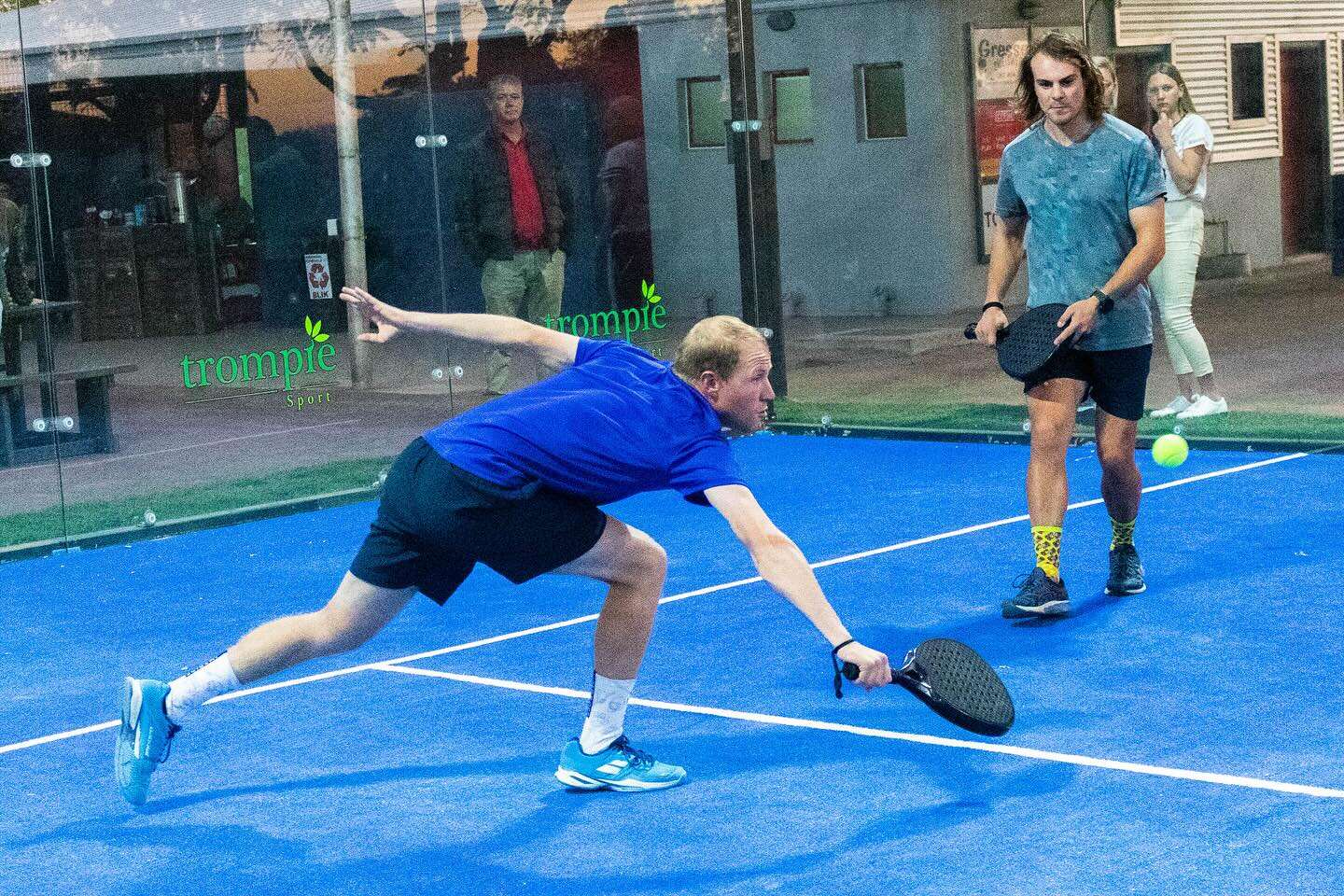
Walls as Integral Gameplay Components in Padel Courts
Physics of Wall Rebounds: Angle Preservation, Speed Retention, and Strategic Shot Creation
In padel, walls aren't just barriers they become part of the game itself, almost like an extra racquet surface. The tempered glass back walls maintain pretty much the same angle when balls hit them and keep around 70 percent of their original speed. This lets skilled players turn what would be defensive situations into attacking chances with smart bounces off the wall. On the other hand, those steel mesh side walls work differently. They actually soak up some of the ball's energy and send it bouncing all over the place which makes the game slower but adds an interesting element of surprise. Getting good at padel really comes down to understanding these wall behaviors and how they affect play strategy.
- Angle preservation enables precise “wall play,” extending rallies geometrically beyond court limits.
- Differential speed retention demands tactical adaptation: aggressive, angle-driven shots off glass; lobs, floats, or deadened returns off mesh.
This duality elevates wall usage from reactive to proactive—where understanding rebound physics is as essential as footwork or stroke technique. As outlined in the 2025 court dynamics analysis, walls are foundational to padel’s identity—not just structural features, but core strategic tools.
Padel Court vs. Other Racket Sport Courts: A Structural and Functional Comparison
What really sets a padel court apart is how it's built around being enclosed rather than open. The playing area measures about 20 meters by 10 meters, which works out to around 2,178 square feet total. That makes it roughly 25% smaller than standard tennis courts at 2,808 square feet. Because of this smaller size plus those 3 meter high walls surrounding the court and the relatively short net at just 0.85 meters, the game becomes all about where players position themselves, quick reactions, and understanding how balls bounce off surfaces. It's not so much about powerful serves or long baseline battles anymore. Compared to regular tennis or even pickleball played on open courts, padel actually uses those walls during actual play. Plus, the synthetic turf surface gives predictable bounces that favor controlled shots over tricky spins. Players must also hit their serves underhand, which adds another layer to strategic thinking about shot placement and transitions between points. All these features combine to create something special: a sport that takes up less room, is easier for newcomers to pick up, yet still offers plenty of tactical complexity for serious competition.