
 EN
EN



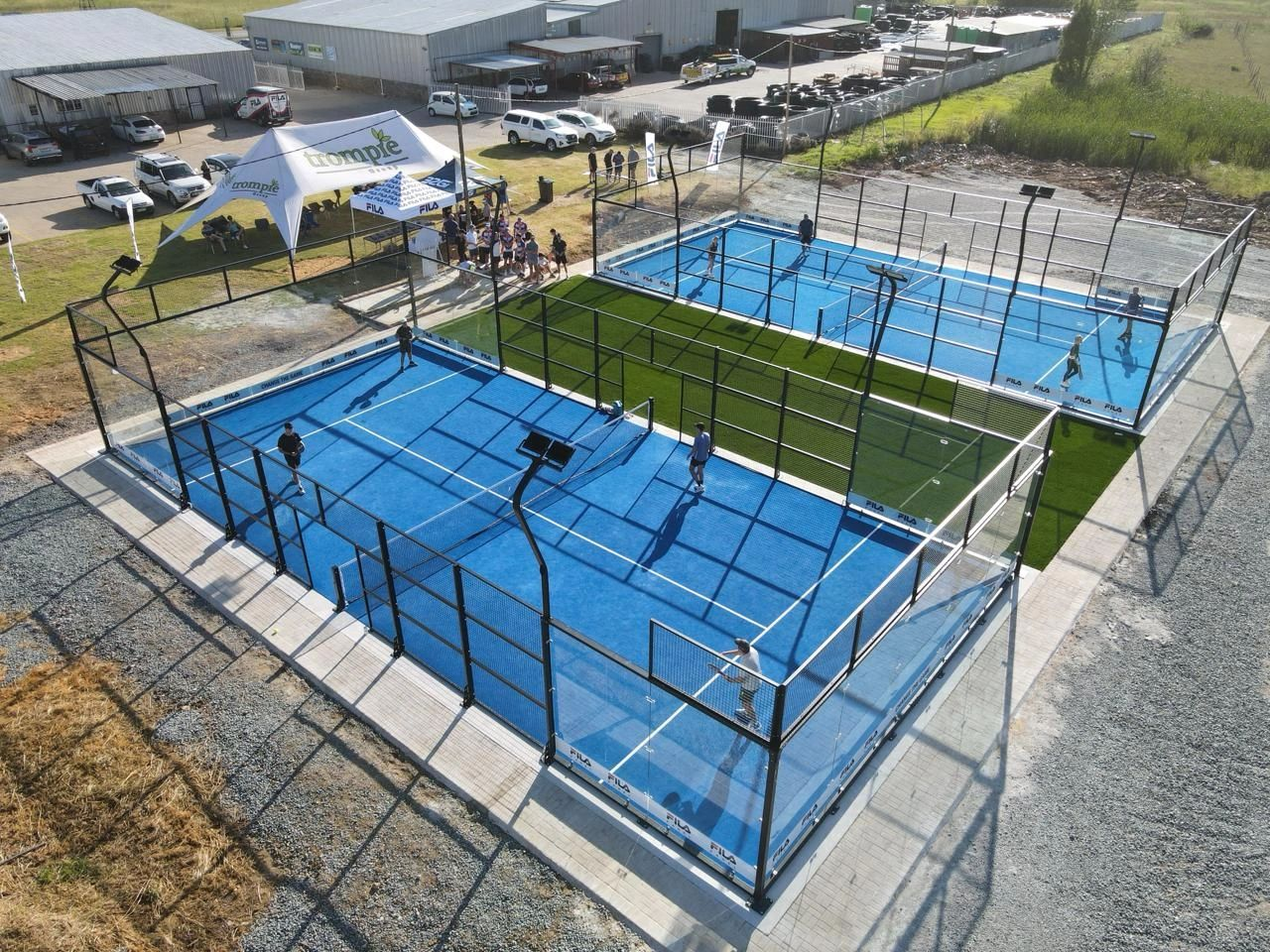
Design Flexibility: Optimizing Enclosure, Height, and Surface for Performance
Enclosure Systems: Balancing Safety, Visibility, and Brand-Aware Aesthetics
Padel courts these days typically have either strong mesh walls or toughened glass around them so balls don't fly out during intense matches, yet everyone can still see what's happening all around. The clear panels let people watch from almost any angle, sometimes over 180 degrees, which makes watching games much better and helps coaches spot things they need to fix. Many courts now feature custom branding like engraved club logos on the glass or frames painted in specific colors that match their team identity. These branded elements transform simple safety barriers into real marketing tools for clubs and sponsors alike. According to research published by FIP in their 2024 sports venue performance report, facilities that incorporate team colors and sponsorship branding tend to keep customers coming back about 23% more often than those without such visual identities.
Wall Height and Glass Specifications: Meeting International Standards and Local Regulations
The FIP standards set pretty strict requirements for wall heights these days. Side walls need at least 3 meters while back walls should reach 4 meters tall to handle those fast moving shots and all sorts of different ball paths. When it comes to safety glass, we're talking about thickness between 10 to 12 mm so it can take hits going up to 150 km/h without shattering. Different areas have their own special needs too. Coastal communities often install hurricane rated framing because storms are a real concern there. Places with intense sun exposure get glass treated with UV resistance, and in damp regions they apply anti-fog stuff to keep visibility clear. Many cities now insist on leaving about 5 centimeters space between each panel. This small gap lets the material expand when temperatures change, which stops cracks from forming and keeps everything structurally sound year after year.
Surface Material Comparison: EPDM, Artificial Turf, and Hybrid Options for Playability and Durability
What kind of surface we play on makes all the difference when it comes to how balls behave, what happens to our joints, and how long those surfaces last. EPDM rubber stands out because it gives pretty consistent bounce every time and doesn't need much upkeep, which is why it works so well inside gyms and sports halls where weather isn't a concern. Artificial turf has become popular too since it drains water really well and absorbs impacts better than hard concrete or asphalt. Some studies suggest this can cut down joint strain by about a quarter compared to non-padded surfaces according to research from Sports Science Institute back in 2023. There are also these hybrid setups now that mix turf with rubber underneath. They try to get the best of both worlds: enough give for comfort but still enough firmness for proper ball response while lasting through years of regular use.
| Material | Ball Bounce Consistency | Weather Resistance | Maintenance Frequency |
|---|---|---|---|
| EPDM | High | Moderate | Biannual |
| Artificial Turf | Medium | High | Quarterly |
| Hybrid | High | High | Triannual |
Independent durability testing shows hybrid surfaces sustain 8–10 years of commercial use—outperforming single-material alternatives in both wear resistance and play quality.
Functional Optimization: Safety, Accessibility, and Environmental Adaptability
Customized padel courts elevate player experience and operational efficiency by embedding safety, universal access, and climate resilience into core design decisions—not as add-ons, but as foundational requirements.
Strategic Layout Planning: Safety Zones, Entry Points, and Spectator Flow
Good court design starts with those crucial safety gaps between playing areas at least two meters apart to keep players from running into each other during intense matches. The entrances and exits need to be placed where they don't cut across the main playing paths, while seating areas should either sit higher up or be set back so fans can watch clearly without getting in anyone's way. Facilities built this way see about a third fewer injuries than standard setups according to research from sports engineering experts who looked at dozens of court designs last year in their study for the Journal of Sports Engineering and Management.
Inclusive Design Features: ADA-Compliant Access, LED Lighting Integration, and Climate-Resilient Ventilation
When it comes to inclusive design, there's really no alternative: sloped walkways, seamless floor transitions, and ramps that meet ADA standards make sure everyone can access the space, whether they use wheelchairs or have other mobility challenges. The LED lights we install provide even coverage across the playing area (around 300 lux minimum) and slash energy consumption compared to old metal halide systems by as much as half. For places dealing with heavy rain or heat, we incorporate passive ventilation systems along with those tiny holes in the ceiling panels to control moisture levels. Meanwhile, in areas with milder climates, our permeable base layer drains away excess water so puddles don't form after storms. All these thoughtful touches mean the facility stays open longer throughout the year and works well for all sorts of people without anyone feeling left out.
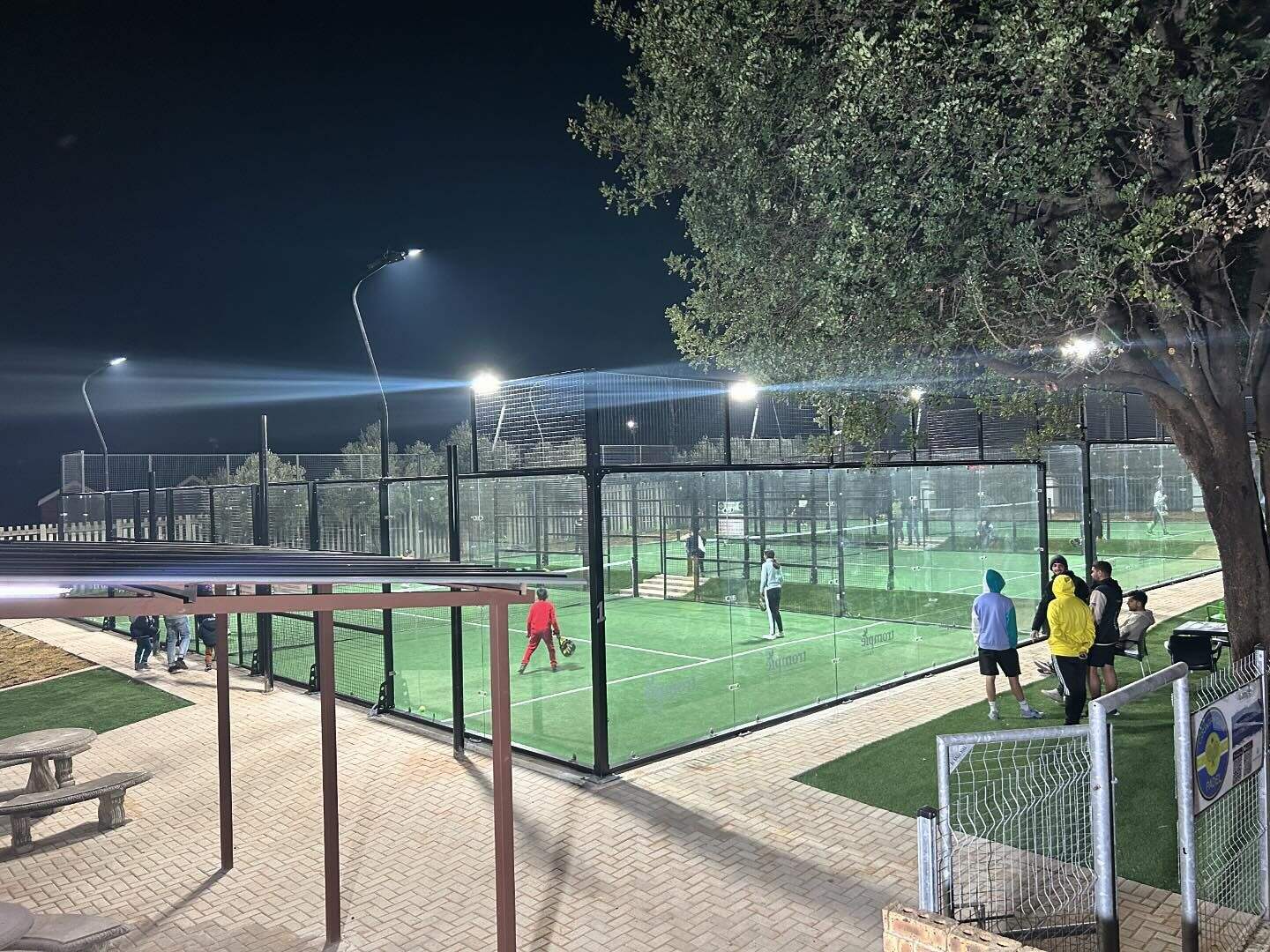
Stakeholder-Specific ROI: How Custom Padel Courts Enhance Value Across Settings
Custom padel courts generate measurable, stakeholder-aligned returns—whether deployed in commercial venues, residential developments, or community hubs.
Sports facilities and resorts can boost their income through smart layout design. Think about court rentals, group lessons for adults, junior training programs, and hosting official tournaments. The numbers tell an interesting story too. Facilities that got in on the ground floor often recouped their investments in just 1 to 3 years when they maintained around 70% occupancy rates. This isn't just guesswork either; the European Sports Facility Association looked at 42 different case studies across Europe and found similar results. For residential developments, adding courts as part of the lifestyle package can actually increase property values between 7 and 12%. That's especially attractive to families where both parents work full time but still want an active lifestyle. Putting these courts where people naturally gather makes all the difference. We've seen this work wonders near clubhouses or transportation hubs where spontaneous play happens more often, which means spending less money to attract customers. And let's not forget about the community angle. When facilities offer things like special sessions for different ability levels, mix-age competitions, and partner with local schools, everyone wins. Neighborhoods become tighter knit, residents stick around longer, and the whole development gains better reputation among investors, residents, and even city planners looking for successful projects.