
 EN
EN



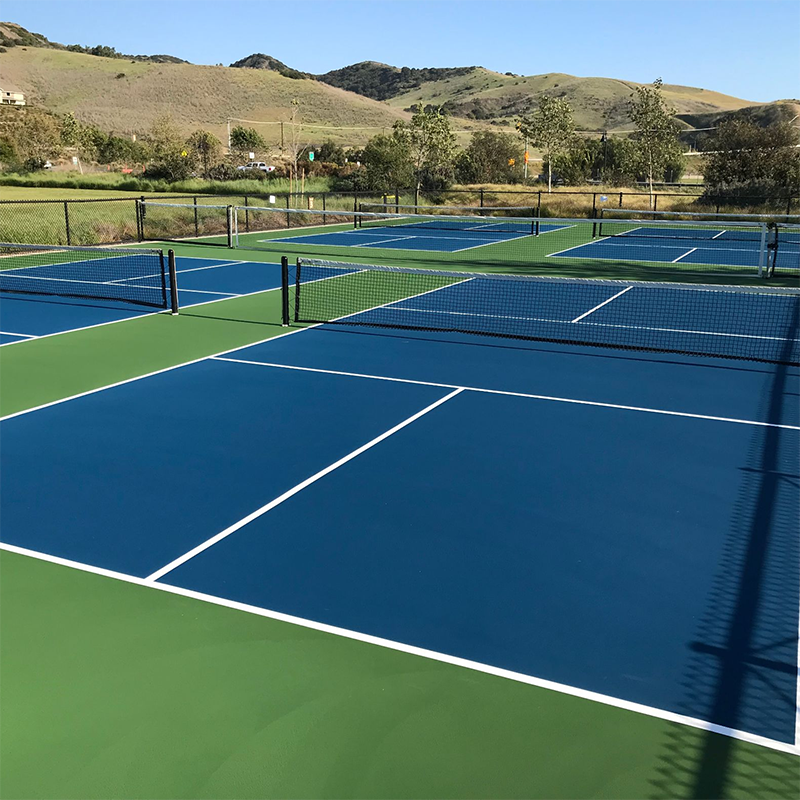
All-Glass Construction Eliminates Visual Obstructions
Seamless 360° Sightlines Without Mesh, Posts, or Framing Interference
Panoramic padel courts swap out those annoying mesh barriers and bulky support structures for smooth tempered glass walls all around. What this means is no more blind spots on the court from posts sticking out or frames getting in the way. The glass just sits there quietly without interrupting what players can see. When folks are going back and forth quickly during matches, they don't have to waste brainpower figuring out where the ball actually went past all those distracting bits. So reactions happen quicker and shots land exactly where intended most of the time. Courts look cleaner too, which makes sense why so many places are making the switch these days.
Optical Consistency Across Walls and Ceiling Enhances Depth Perception and Ball Tracking
Tempered glass that's uniformly applied keeps light bending and colors looking the same on all those wall and ceiling surfaces. Studies in sports vision journals show this even lighting can boost depth perception by around 19%. When athletes play against these clean, clear backgrounds they actually see where balls are going better. The full transparency from floor to ceiling makes it easier to track high shots and smash returns without getting confused. Players miss fewer shots when they can count on what they're seeing, which means games run smoother overall. Coaches have noticed this effect in training sessions too.
Panoramic Padel Court Design Improves Real-Time Decision-Making
Neurocognitive advantages: reduced visual latency and improved rally anticipation
Glass court surfaces reduce what gets in the way visually, helping athletes track where balls are going about 17 percent quicker according to research published in the International Journal of Sports Physiology and Performance. When there's nothing blocking sight lines, it actually makes thinking easier for players trying to figure out where shots will land and where opponents might move next. Traditional mesh courts create delays in seeing what's happening because of their patterned look. Players on glass can react faster, hitting cleaner volleys and finding better spots on the court when things get fast paced.
Empirical validation: 23% drop in unforced errors at Madrid Open Panoramic Courts (2023)
During the 2023 Madrid Open tennis tournament, players competing on those new panoramic courts made about 23% fewer unforced errors compared to games on regular courts. Tournament analysts confirmed these numbers after looking at all the performance data collected throughout the event. The difference comes down to how players can track the ball without any interruptions. Those transparent walls let them see everything clearly without dealing with annoying glare issues or strange shadows that mess with their vision. Also gone are those distracting metal frame edges that used to pop into view at awkward times. Players told reporters they felt much better maintaining concentration during important points when there wasn't some random structural element jumping into their field of vision mid-rally.
Biomechanical Benefits of Uninterrupted Visual Fields
The seamless 360° visibility of panoramic padel courts fundamentally enhances player biomechanics. Uninterrupted sightlines allow athletes to maintain optimal body positioning during rapid directional changes—reducing compensatory movements that strain joints and muscles. When players track the ball without visual interruptions like mesh distortions or structural blind spots, they achieve:
- 25% more efficient weight transfer during lateral movements
- Reduced spinal torsion from avoiding abrupt head re-orientations
- Improved center-of-gravity control during overhead smashes
Having an uninterrupted view allows athletes to tweak their footing just before making contact with the ball, which helps avoid strain on the body from reacting too late. When players can see clearly throughout their movement, they tend to move more smoothly from pushing off the ground, rotating their core, all the way through extending their arms for that powerful but controlled swing. Getting rid of things that block vision makes a big difference too. Players don't have to stop their rotation suddenly anymore like they often do when they can't track where the ball is going. This actually reduces injuries to shoulders and hips especially during those intense moments of competition.
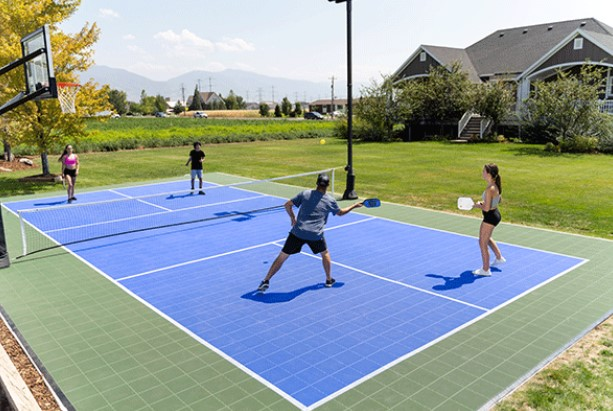
Panoramic Padel Court vs. Traditional Court: A Visibility-Centric Comparison
Mesh barriers: contrast loss, glare distortion, and peripheral occlusion
Old school padel courts typically use those steel frames with mesh nets surrounding them, but this setup actually creates several problems when it comes to seeing what's happening on the court. The way the mesh is woven tends to break up the outline of the ball, making it harder to track especially during quick back-and-forth exchanges where timing matters most. Then there's the whole issue with glare off metal surfaces. Whether playing outside in bright sun or indoors under stadium lights, players often struggle with annoying reflections that mess with their ability to judge distances properly. Perhaps worst of all are those big support poles and tightly packed netting along the sides which create blind spots at the edges of the court. These dead zones force players to constantly scramble after balls they can't see coming instead of being able to anticipate plays ahead of time. Glass walled courts solve all these issues though. With clear walls everywhere, players get unbroken views of the entire game. Special coatings cut down on reflections, and since there are no bulky frames getting in the way, athletes maintain complete awareness of everything happening around them. This means better positioning, smarter decisions, and ultimately more enjoyable matches without all the frustrating moments caused by poor visibility.