
 EN
EN



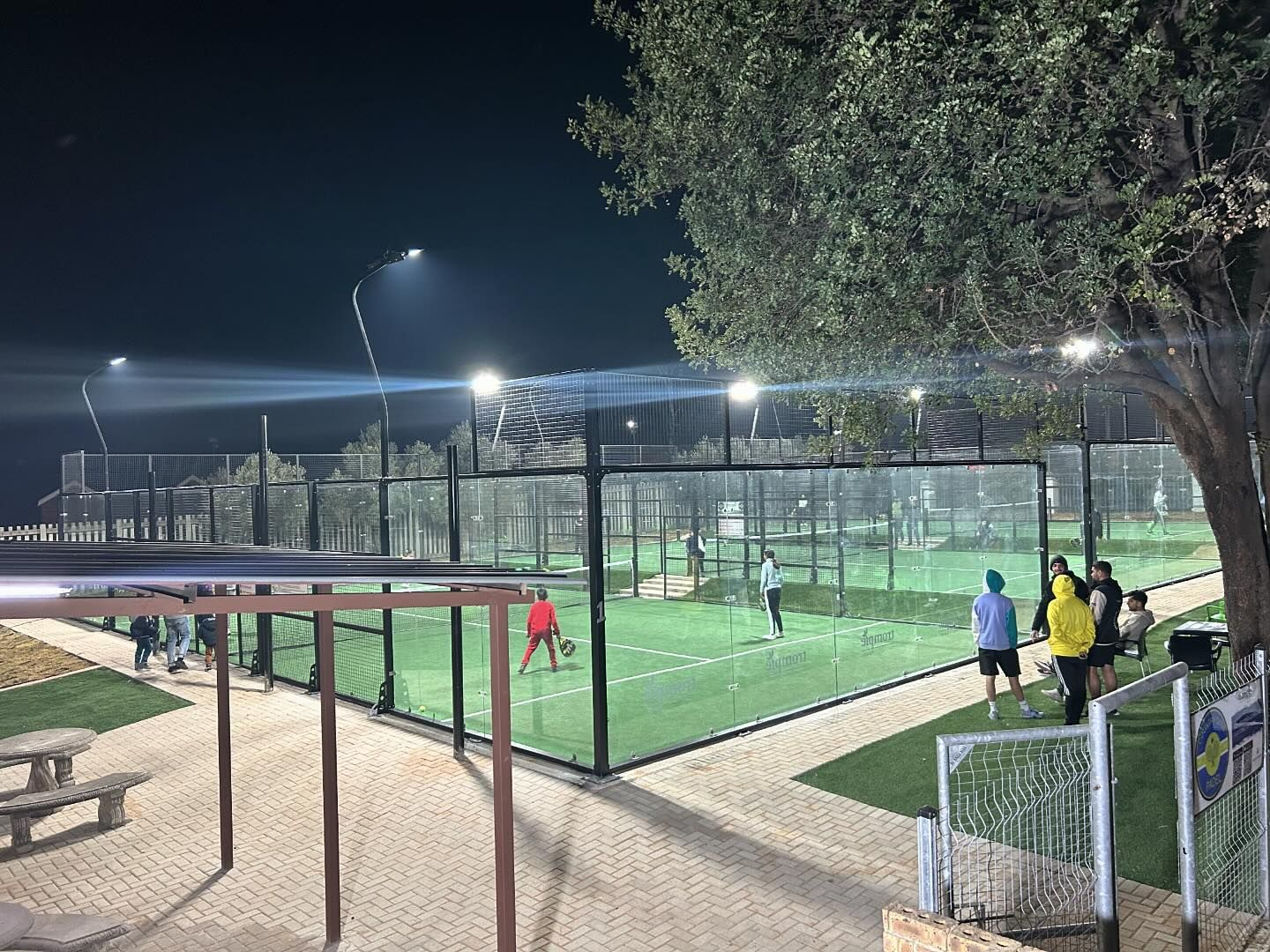
Manufacturing Expertise and Quality Assurance
Selecting a padel court manufacturer demands scrutiny of their production capabilities and quality frameworks. Beyond basic credentials, true expertise manifests in systematic validation of every structural and material component.
ISO 9001 Certification, In-House QC Protocols, and Performance Validation Beyond Paper Credentials
Getting ISO 9001 certified means a company follows global quality management standards, but let's be honest, that's just the starting line. What really sets apart the best manufacturers are their own strict quality controls. They check dimensions down to within 1mm, run stress tests that go way beyond what's required, and actually test products in real world conditions. For example, they subject glass panels to simulated years of weather beating and put turf systems through tough impact tests. These aren't just theoretical exercises either. The results from these tests give concrete proof that courts will stay intact and playable even after months or years of heavy use without breaking down or losing quality.
Factory Scale, Vertical Integration, and On-Site Capacity — Why Production Control Matters for Padel Court Consistency
When it comes to manufacturing excellence, vertical integration makes all the difference. Top manufacturers handle everything from raw materials right through to final assembly in their own facilities. This means they can manage processes like steel galvanization and glass tempering themselves instead of relying on outside suppliers, which cuts down on those pesky supply chain issues we all know too well. Companies that have dedicated production lines for padel courts along with ample on-site stock typically see lead times drop somewhere between 30% to maybe even 50%, and this helps maintain consistent quality throughout each unit produced. If reliability matters, look for manufacturers who keep detailed records showing complete weld integrity on steel frames. Also worth checking are those that use automated optical scanners to spot tiny defects in tempered glass surfaces these days. These aren't just fancy buzzwords either; they're actual practices that ensure both dimensional accuracy and safety standards stay where they should be.
Padel Court Material Specifications and Performance Engineering
Steel Framework: Galvanization Standards, Structural Load Ratings, and Corrosion Resistance for Outdoor Durability
The foundation of any quality padel court lies in its frame construction. When looking at materials, galvanized steel that meets ASTM A653 G90 specs (with at least 0.9 oz per square foot of zinc coating) stands up well against rust problems, which is particularly important near beaches or in areas where humidity runs high. Courts need to handle structural loads of around 150 pounds per square foot when dealing with things like heavy winds or snow accumulation. Most good companies back this up with actual engineering reports instead of just making vague promises. Top manufacturers go even further by subjecting their frames to salt spray tests lasting over 1,000 hours. These tests simulate harsh conditions we actually see out there in the real world, showing how much better their products perform compared to basic industry requirements.
Tempered Glass Walls and FIFA-Compliant Padel Turf: UV Stability, Ball Bounce Uniformity, and Player Safety Metrics
The enclosure relies on 10 to 12 mm CE certified toughened glass that's built to withstand impacts without breaking apart, keeping all the energy from collisions contained within the structure. When it comes to the actual playing surface, there's no getting around the need for FIFA Quality Pro certification. This standard requires several key components including UV stabilized fibers that maintain their color for at least eight years, infill depths kept within a tight ±2 mm range, and specific performance tests must be passed too. The field needs to meet certain criteria like how evenly balls bounce back, sliding resistance below 0.35 micro units, absorbing over 60% of impact force, and allowing vertical compression between 4 and 9 mm when stepped on. All these numbers aren't just random requirements either they actually make a real difference in protecting players' joints during matches, ensuring games feel consistent throughout, and ultimately creating fair conditions for serious tournaments where every detail matters.
Regulatory Compliance and Installation-Ready Design
Alignment with FIP & WPT Standards: Dimensions, Lighting Layouts, Drainage Systems, and Structural Clearance Requirements
The FIP and WPT standards form the backbone of what makes competitive padel possible, and sticking to them isn't optional if players want to stay safe and qualify for tournaments. A standard court needs to be exactly 20 meters by 10 meters across the ground. The lights need to be arranged so nobody gets blinded by glare or stuck in shadow spots during play. Drainage systems have to work hard enough to deal with heavy rain without water sitting on the surface after a storm. And there's that important 6 meter clearance requirement too, because otherwise those powerful overhead shots could hit the ceiling instead of clearing it. Smart manufacturers don't just follow these rules as bare minimums though. They build these requirements right into their modular court designs from the start. This approach cuts down on last minute changes when installing new courts, speeds things up considerably, and means everything works properly right out of the box without weeks of tweaking needed first.
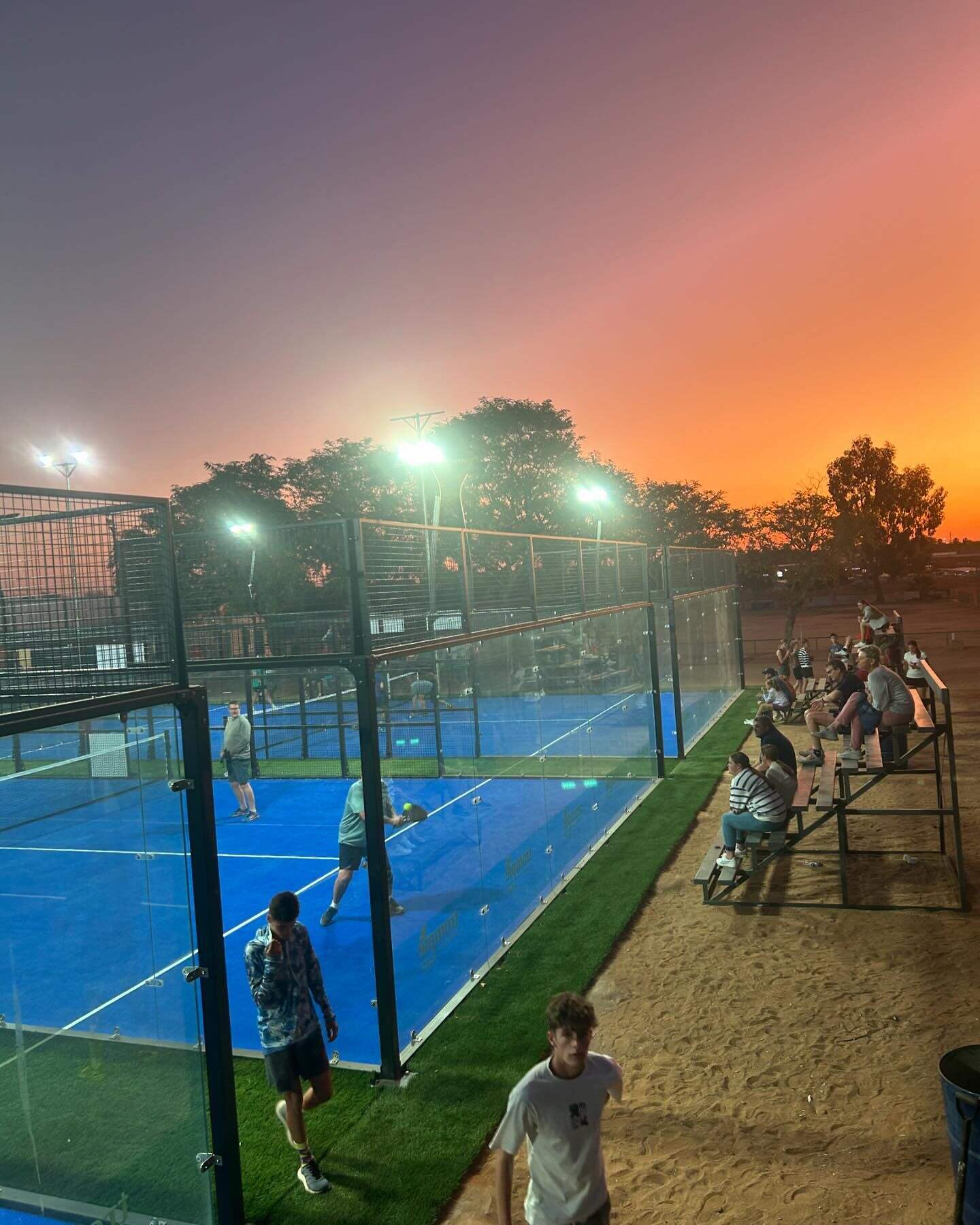
After-Sales Support and Long-Term Padel Court Reliability
Warranty Transparency: Coverage Scope, Realistic Claim Resolution Timelines, and Preventive Maintenance Partnerships
When companies stand behind their products with solid warranties, it shows they believe those products will last and perform well over time. The best manufacturers make sure their coverage includes important components like structural steel frames, tough tempered glass walls, and turf that meets FIFA standards. Their warranty actually explains what's protected from problems like factory flaws, damage from harsh weather, or wear and tear over years of use. What really matters though is how quickly these companies respond when claims come in. Most will acknowledge issues within about two days, and send someone out to check major problems at the site within just five workdays. Industry leaders go even further by building regular maintenance into their warranty agreements. They typically schedule checkups twice a year, monitor UV damage on artificial surfaces, and work directly with clients on joint maintenance plans. Courts maintained this way tend to stay in good condition much longer, sometimes doubling their useful life, which means owners spend far less money overall in the long run.
| Warranty Component | Industry Benchmark | Player Facility Benefit |
|---|---|---|
| Structural Coverage | 8–12 years for galvanized steel | Avoids corrosion replacements |
| Claim Resolution Window | ≤7 days for safety issues | Minimizes court downtime |
| Maintenance Partnerships | Bi-annual performance audits | Sustains ball-bounce consistency |