
 EN
EN



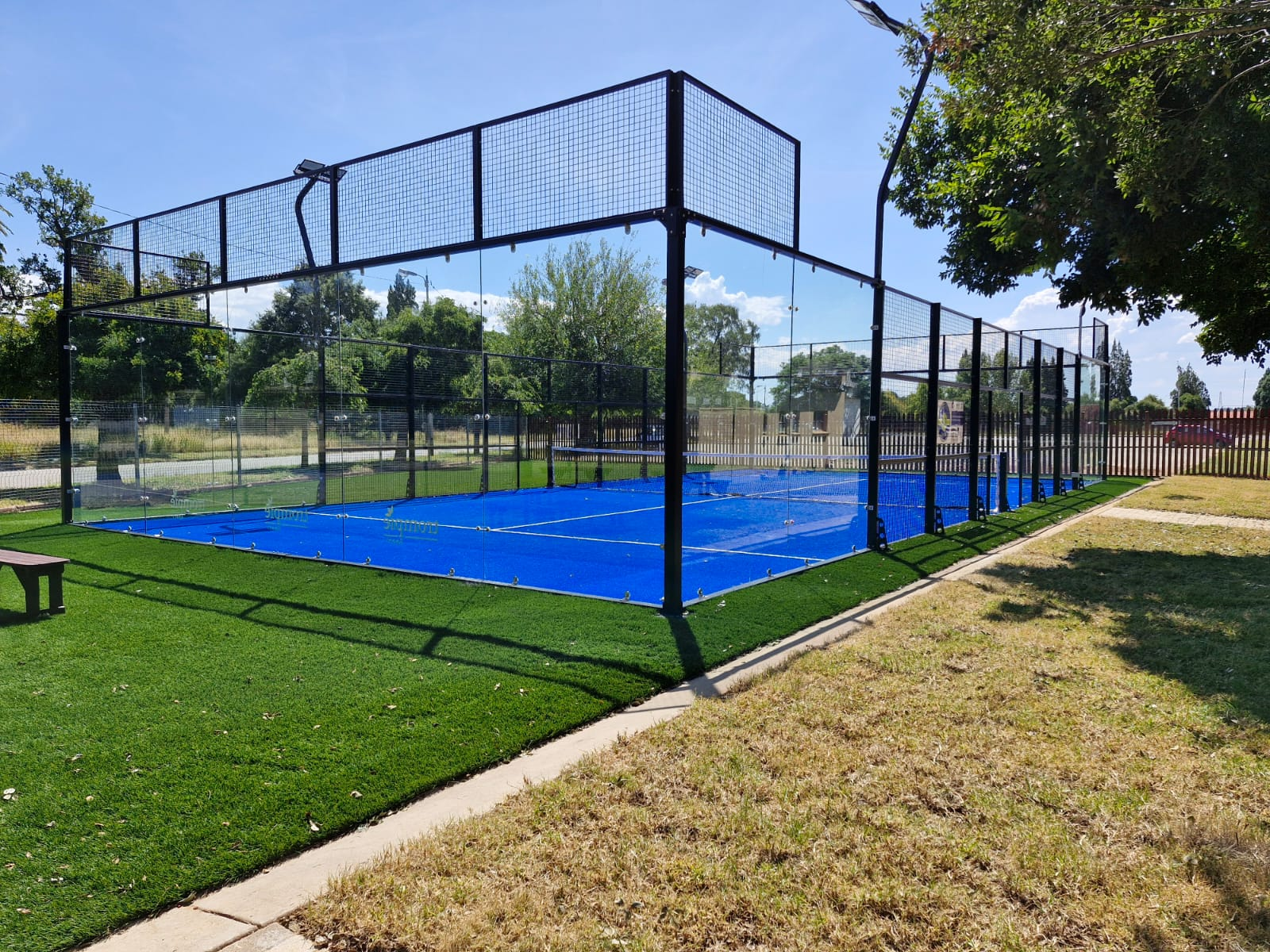
Inclusive Access and Universal Participation on Padel Courts
Low Physical and Financial Barriers Enable Broad Community Engagement
Padel courts make getting started much easier for most people because they don't require fancy gear or intense fitness levels. Compared to tennis, padel is gentler on the body thanks to smaller rackets, slower moving balls, and those enclosed walls that cut down on how far players need to run around. The numbers back this up too. According to the Global Padel Federation report from last year, older adults joining in have grown by about 20% each year, showing just how well the game works for different ages. Money wise, playing at public courts costs roughly half to three quarters less than what tennis courts charge. Beginner kits can be picked up for under fifty bucks these days. Many cities are also stepping in to help out with special deals for kids and free introductory sessions for newcomers. All these factors combined mean people from all walks of life can enjoy playing without breaking the bank.
Designing for Age, Gender, and Ability: Real-World Inclusivity in Public Padel Courts
Leading facilities achieve universal access through integrated design frameworks:
- Age-friendly features: Adjustable net heights and shock-absorbing artificial turf support juniors and seniors alike.
- Adaptive infrastructure: Wheelchair-accessible ramps, tactile court markings, and widened gateways meet ADA and EN 17037 standards.
-
Gender-inclusive programming: Mixed-league formats, gender-neutral locker rooms, and coaching scholarships promote equitable participation.
Non-slip surfaces and glare-free LED lighting extend usability across weather conditions and time of day, while integrated spectator seating encourages communal interaction. This holistic approach transforms courts into social equalizers—where over 70% of urban players report “first-time sports engagement” (Municipal Recreation Survey, 2023).
Strengthening Social Cohesion Through Padel Court Programming
From Pick-Up Games to Community Rituals: How Padel Fosters Trust and Belonging
The doubles nature of Padel naturally brings people together, teaching teamwork, communication skills, and creating a sense of responsibility between partners. What starts as simple games often becomes regular social events that connect folks across age groups, cultures, and income levels. People love how easy it is to pick up Padel and how little gear they need to start playing. Studies looking at city parks have shown that when communities share space for activities, bonds between residents get stronger by around 40% compared to just working out alone. Regular gatherings at neighborhood courts for things like ladder matches or casual play sessions create familiar patterns that become part of daily life. A recent program tracked results from weekly open play times and saw a 28% drop in reported conflicts after just half a year. This shows how friendly competition can actually build better relationships and foster trust among neighbors who might not otherwise interact much.
School–Neighborhood Partnerships That Extend Padel Court Impact Beyond Recreation
When schools team up with city planners, they create something special for padel that goes beyond just playing the sport. Putting courts right next to school buildings makes everything work better. During the day, kids have their physical education classes there, then in the afternoon local leagues take over, and at night families gather for tournaments. The whole setup saves money on facilities while bringing different generations together. Students learn important life skills from adults who coach them, and older folks get involved in events where they can spend time with their grandchildren. According to a recent city study, these kinds of partnerships boosted youth participation in community activities by around two-thirds and reduced problems like vandalism near schools by about 50%. These spaces do much more than serve as courts though. They become gathering spots for festivals celebrating local culture, workshops teaching new skills, and even places where people discuss important neighborhood issues. Schools handle when things are scheduled, while nearby residents step in to keep the courts looking good through regular cleanups and maintenance efforts. This shared responsibility helps make sure the courts stay open and functional for years to come.
Health and Wellbeing Outcomes Linked to Public Padel Court Access
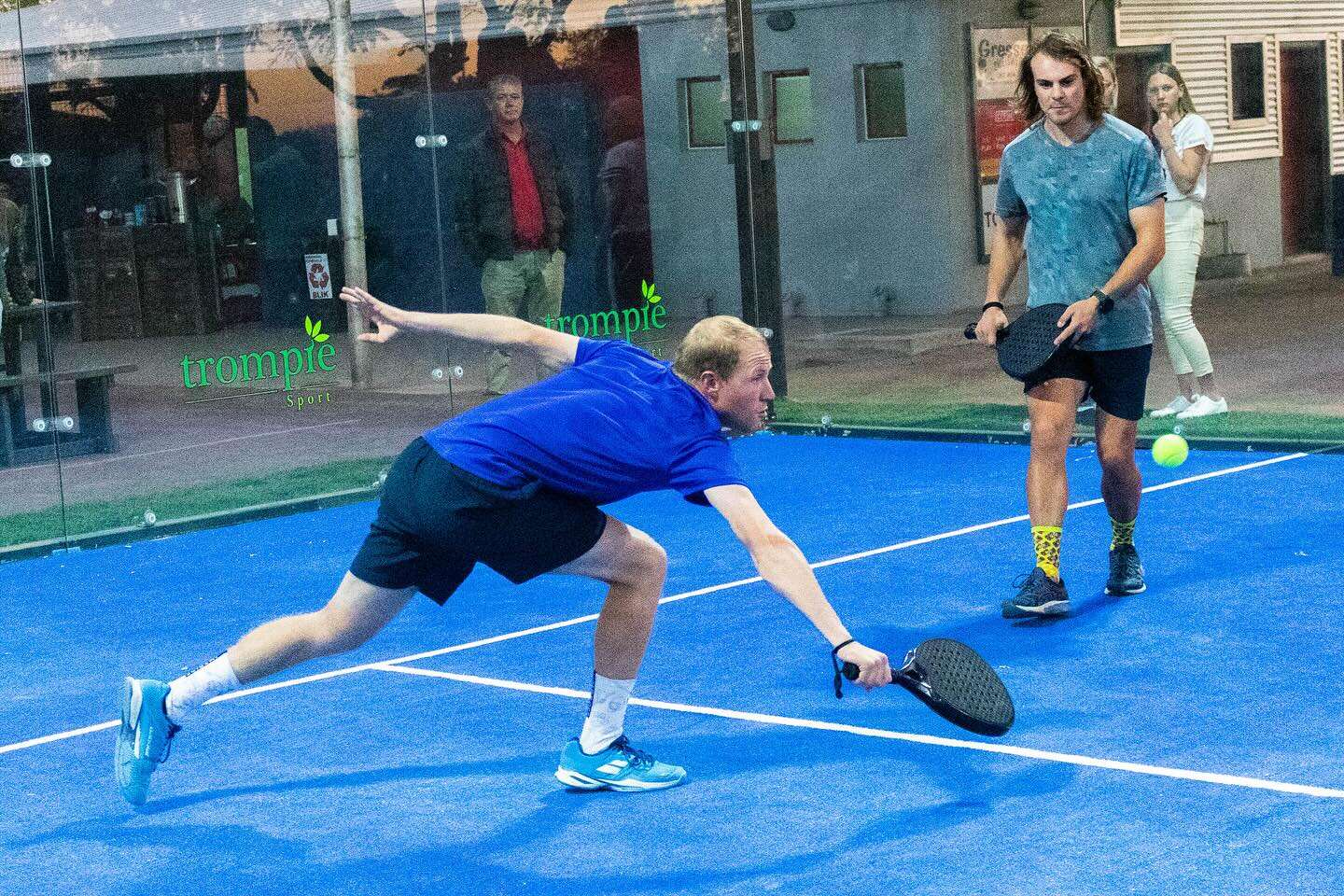
People who play at public padel courts often report better health outcomes because they get regular exercise that's actually enjoyable. Padel is gentle on the body since it doesn't put too much pressure on joints while still giving players a good workout all over. The game works the heart and lungs, builds stamina, and makes people feel stronger without leaving them sore for days afterward. Tracking moving balls across the court helps improve hand-eye coordination and sharpens reflexes. Plus, players need to constantly adjust their position based on where opponents are standing, which trains spatial awareness skills. What makes padel really special though is how social it is. Playing doubles means chatting between points, celebrating good shots together, and building friendships through regular matches. Many regulars say this constant interaction with others helps reduce anxiety and loneliness, especially for those who might otherwise spend most of their time alone.
Key outcomes observed in communities with public padel facilities include:
- Cardiovascular improvement: Sustained rally movement elevates heart rate into aerobic zones, strengthening circulatory resilience
- Enhanced motor skills: Rapid reaction demands sharpen hand-eye coordination and neuromuscular timing
- Stress reduction: Social interaction during play triggers endorphin release and lowers cortisol levels by up to 30%
- Community resilience: Regular participants report higher life satisfaction and stronger neighborhood attachment
The sport’s adaptable intensity—scalable from light rallying to competitive play—makes it sustainable across ages and ability levels. Its short learning curve ensures immediate participation, reinforcing habit formation and long-term community health gains.
Strategic Urban Integration: Transforming Underused Spaces into Vibrant Padel Hubs
Site Selection, Design Synergy, and Multi-Use Planning for Maximum Community Return
Turning unused city spaces like empty lots, rooftop parking areas, or old factories into padel court locations needs thoughtful planning that puts people first. When picking spots, we look at where most people live, how easy it is to get there via public transport, and whether the place is visible enough to encourage walking traffic and impromptu visits. Good design blends these courts naturally with whatever green areas already exist nearby, along with benches, lighting, and other elements that match the surrounding buildings. Prefab modules let us install everything quickly without causing too much disruption during construction. Cities are also adding extra features around these courts these days - think shade structures for spectators, small garden plots, temporary food stands, even outdoor learning spaces sometimes. What's interesting is that one regular sized tennis court area could actually fit three smaller padel courts inside it, which means about 40 percent more people can play at once than in traditional setups. By making better use of land this way, cities breathe new life into forgotten corners both financially and socially, turning what were once boring no-man's lands into lively places where everyone feels welcome.
Economic Sustainability of Public Padel Courts: Models That Scale and Endure
Hybrid Funding Strategies—Grants, Sponsorships, and Tiered Usage Fees
Public padel courts that want to stay around need money from different places, not just one source. Most cities give grants covering somewhere between 40% to 60% of what it takes to build these courts initially. That's actually pretty good compared to tennis facilities since padel requires much simpler infrastructure, which means they break even faster financially speaking. Local companies often step in too through sponsorships when there are budget shortfalls. Businesses get real exposure in their communities by backing things like junior leagues, putting logos on the courts themselves, or helping out with youth programs. The fee system works pretty well too. Kids, older folks, and people who come during slow times pay less money to play, but those wanting prime time slots in the evenings shell out more cash. Studies have shown that this mixed approach keeps courts running about twice as long as ones relying solely on taxes because it mixes different income streams while still serving the public. Maintenance bills end up being about 35% cheaper than for regular tennis courts each year, so there's extra money left over to spend on new programs, better equipment for the courts, and getting more people involved in the community.
Table of Contents
- Inclusive Access and Universal Participation on Padel Courts
- Strengthening Social Cohesion Through Padel Court Programming
- Health and Wellbeing Outcomes Linked to Public Padel Court Access
- Strategic Urban Integration: Transforming Underused Spaces into Vibrant Padel Hubs
- Economic Sustainability of Public Padel Courts: Models That Scale and Endure