EN



Mobile Portable Padel Court | No Foundation, 48-Hour Setup
Foundation-free mobile padel court: self-weighted steel base, 10mm glass, 48-hour setup, 50+ assembly cycles, ships in 2 x 40HQ. Built for events and rentals.
- Overview
- Key Features
- Specifications
- Materials & Finish
- FAQ
- Recommended Products
Description
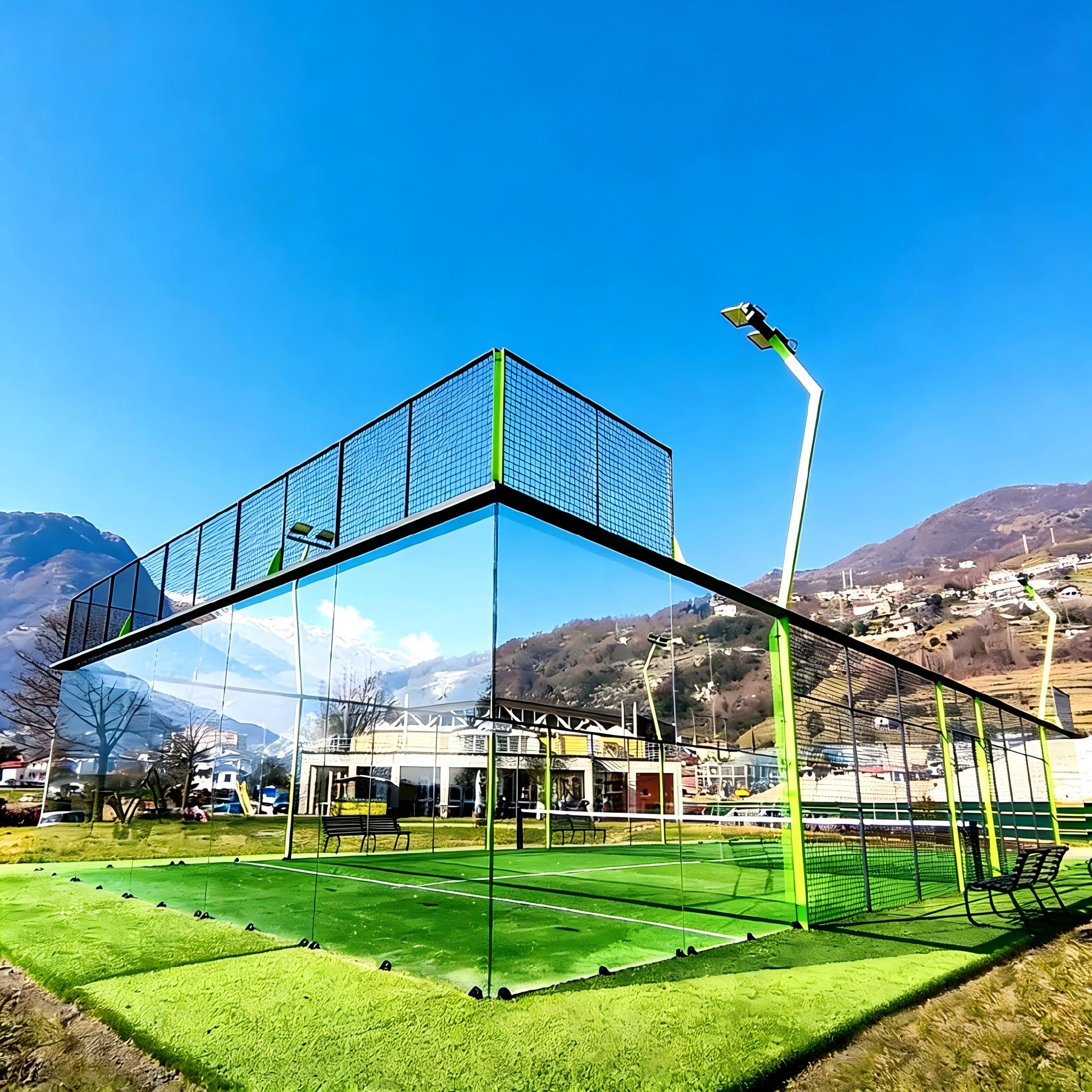
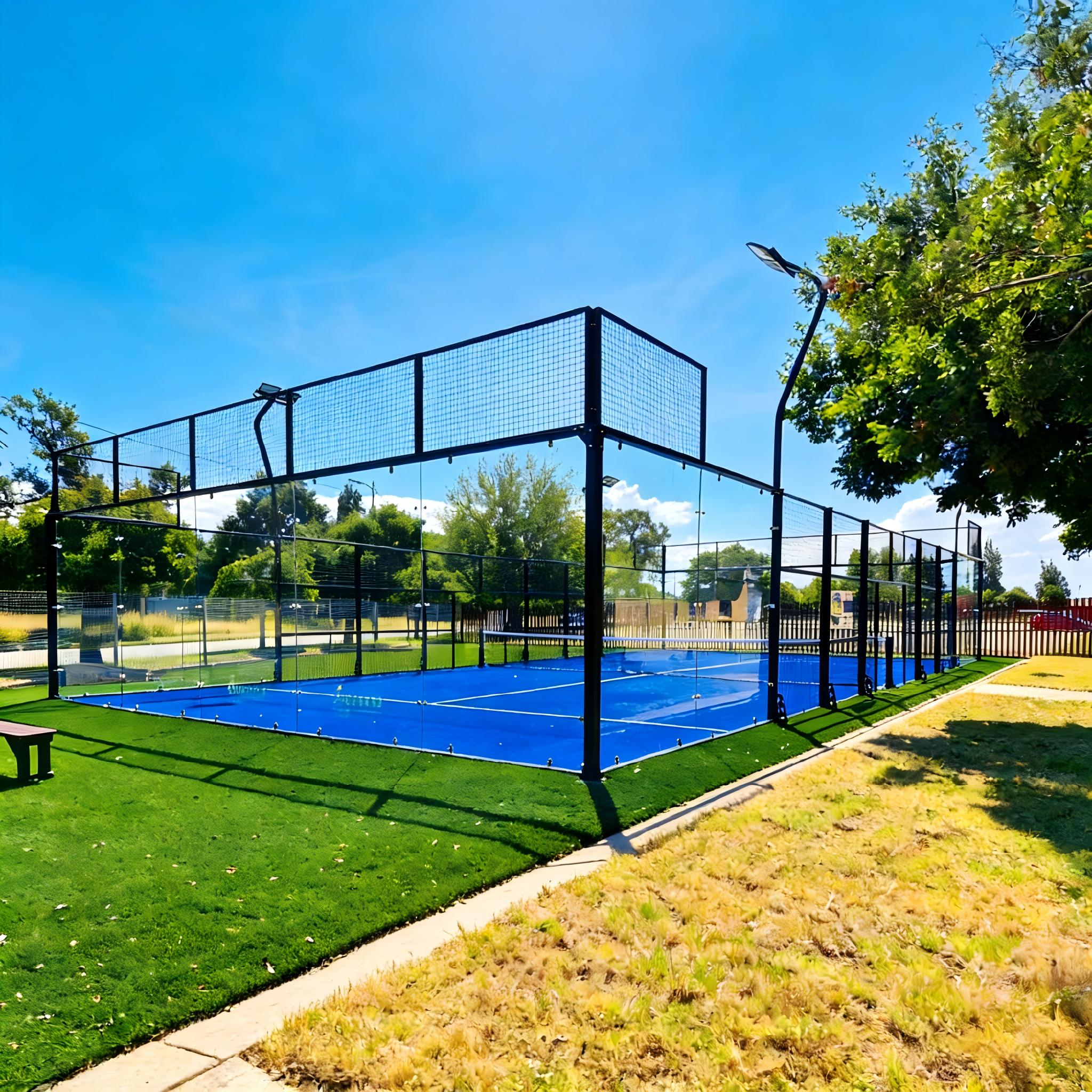
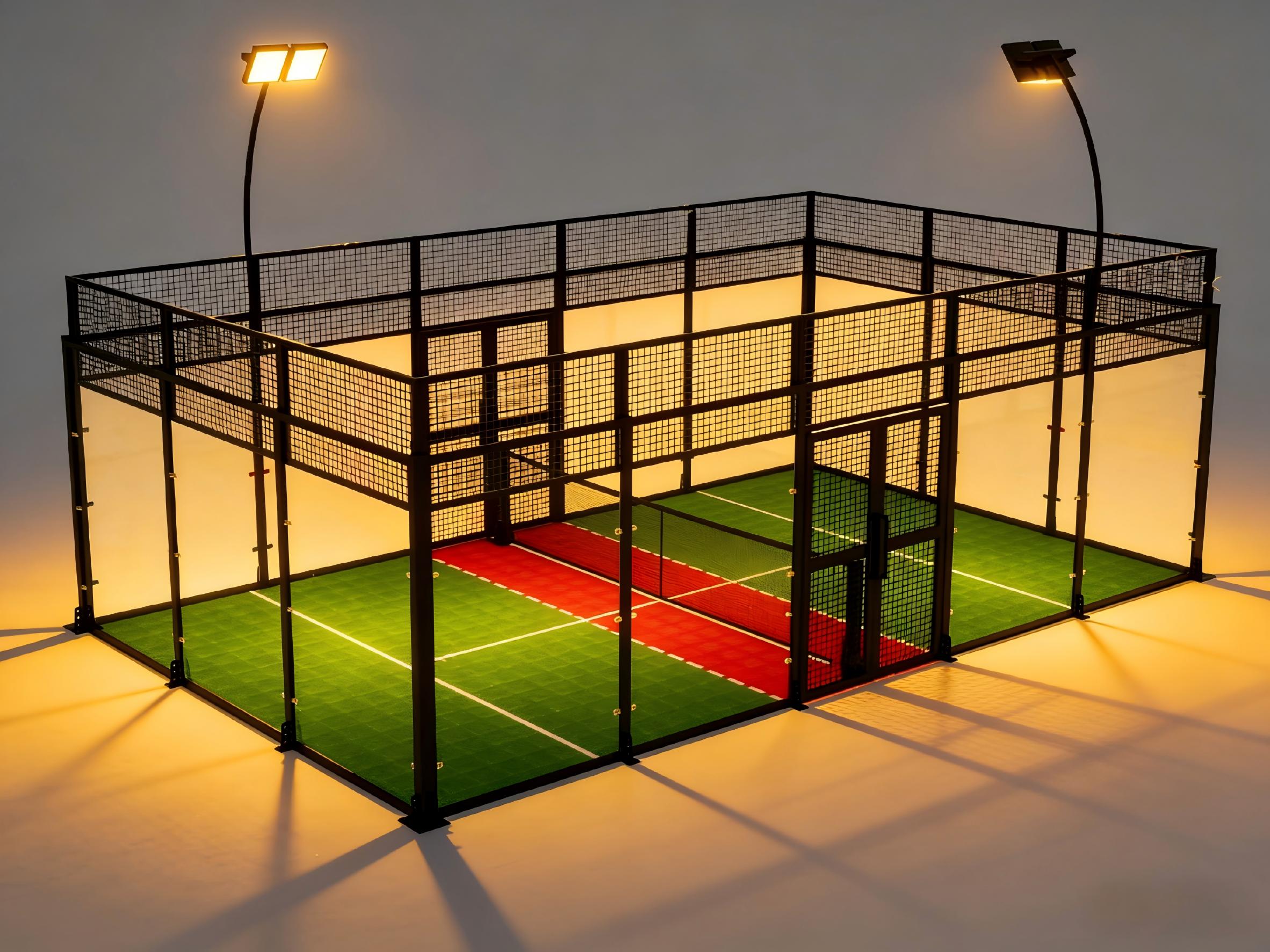
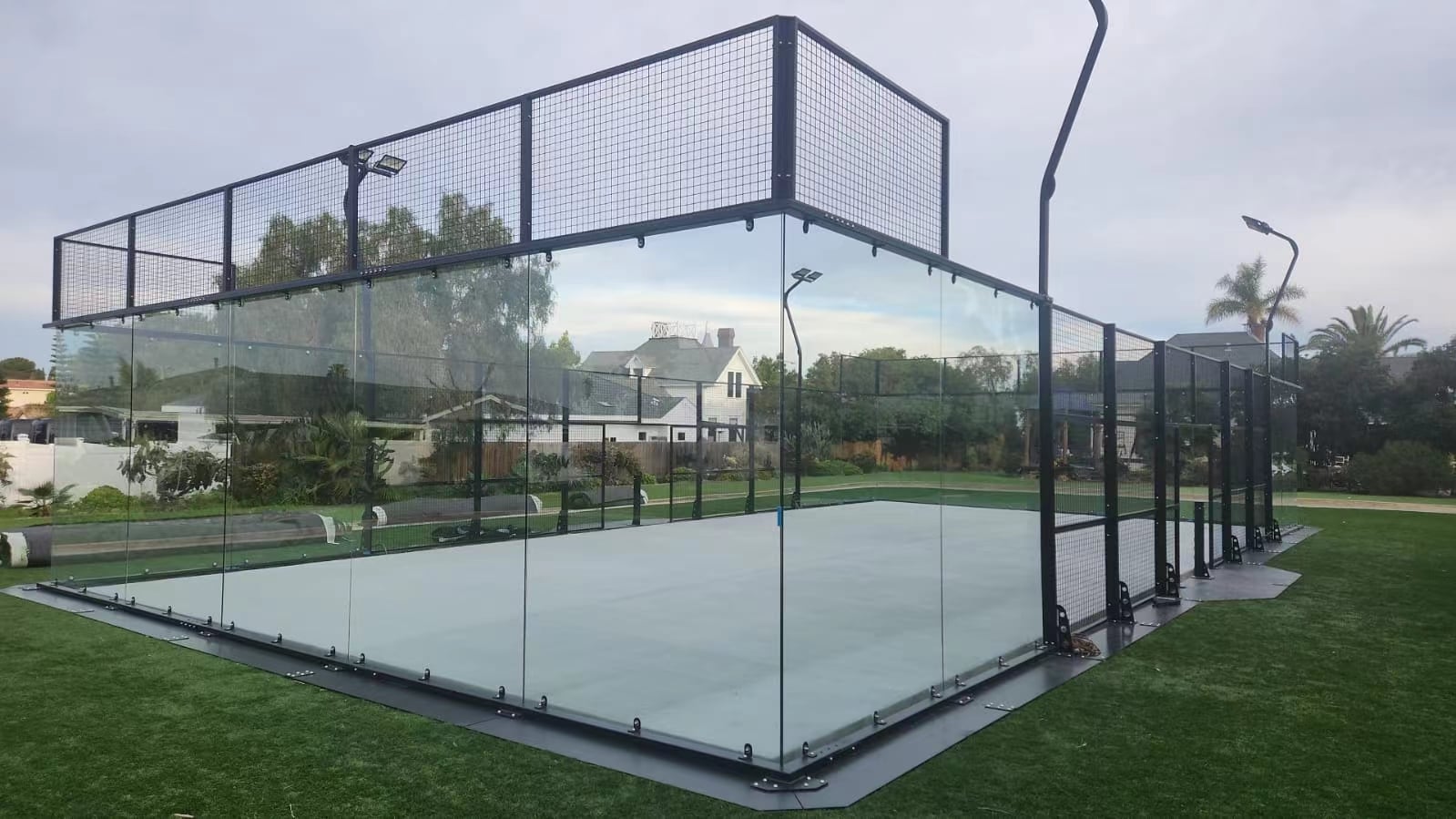
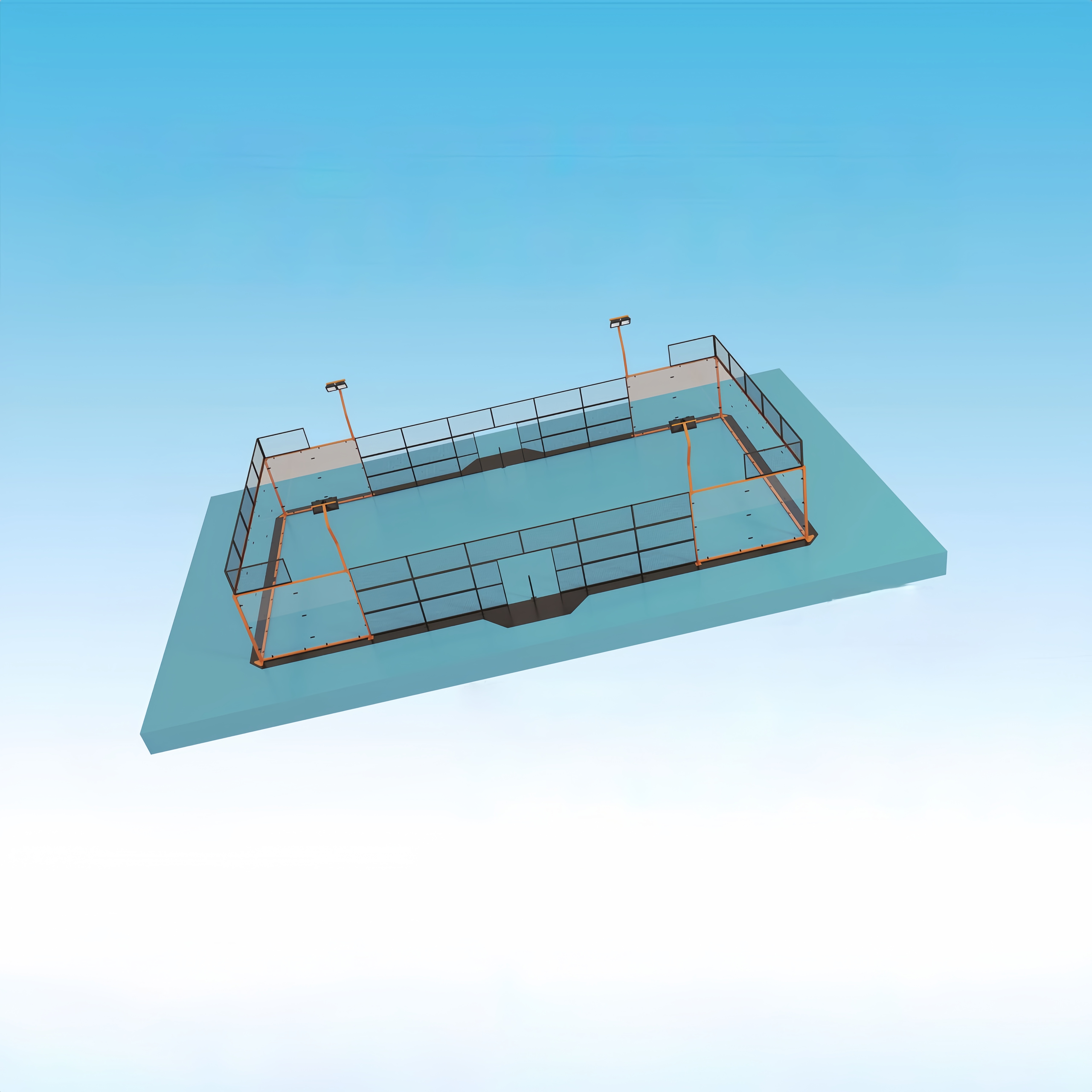
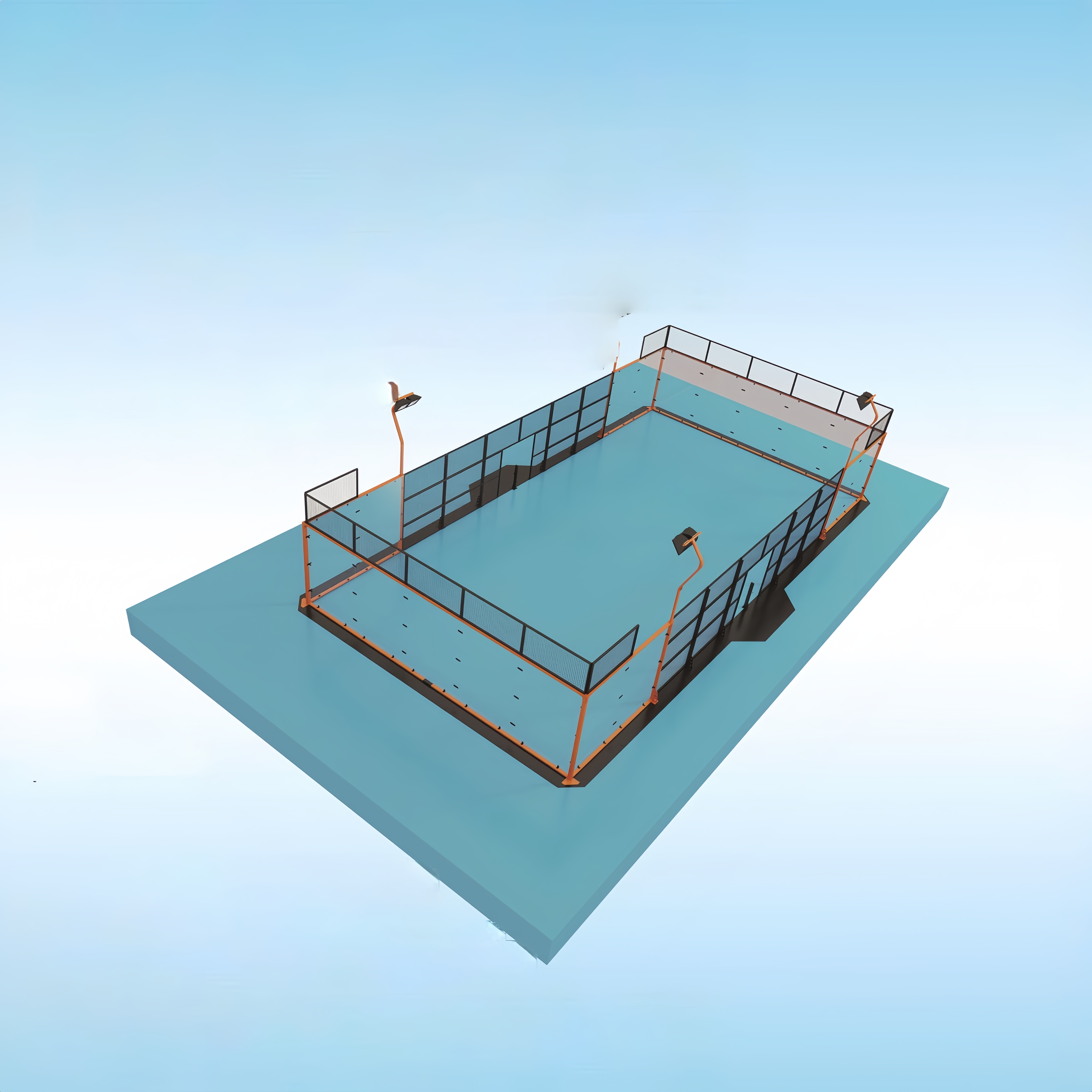
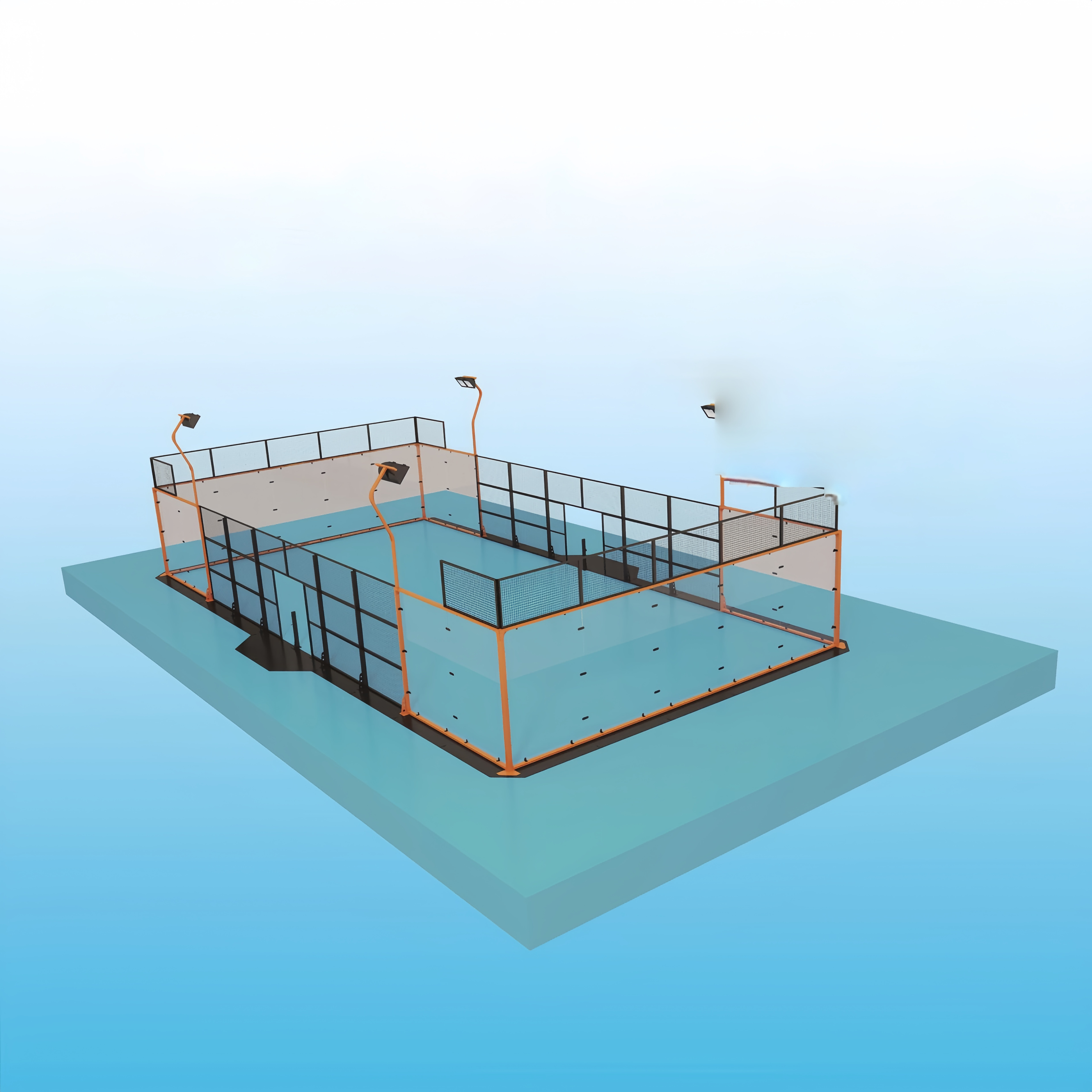
Hosting a padel event in a historic city square, on a leased car park, or on a shopping mall plaza usually fails at the same point: a permanent padel court needs a concrete foundation and ground anchors, and the site owner will not permit either. The Mobile & Portable Series removes that constraint entirely. A self-weighted steel base carries the enclosure, so the court stands on any flat surface without a single bolt drilled into the ground.
Setup and teardown are designed around the event calendar rather than the construction calendar. An interlocking bolt system and factory-supplied tooling bring the court to fully operational condition within 48 hours, and the structure can be dismantled in 24 hours — fast enough for weekend tournaments, brand activations and seasonal pop-ups.
Because the structure is non-permanent, it also changes the permitting path. A foundation-free padel court can often be classified as a temporary structure, bypassing many of the approvals required for permanent builds and shortening project launch from months to weeks.
The commercial logic extends past the first event. Components are built for 50+ assembly cycles, glass is specified at 10mm for transport-friendly dimensions, and the whole system packs into 2 x 40HQ containers for international shipping. That gives operators a court with resale and rental value rather than a sunk installation cost — and an exit strategy if a lease ends early.
Key Features
- Zero-foundation self-weighted base – an integrated heavy-duty perimeter weighting system replaces ground anchors, so the court installs on asphalt, parking lots, plazas and rooftop terraces without surface damage.
- 48-hour deployment, 24-hour removal – interlocking bolt connectors and supplied tooling allow a crew to hand over a playable court in two days and clear the site in one.
- Rental-grade reusability – components are engineered for 50+ assembly cycles, preserving structural performance and resale value across multiple venues and seasons.
- Non-permanent classification – the foundation-free design supports temporary-structure classification, avoiding many of the permits required for permanent courts and cutting launch time to weeks.
- Weather-resistant portability – the mobile base itself receives high-grade galvanization, so repeated outdoor setups in different climates do not compromise the frame.
- Container-optimised packing – modular components fit into 2 x 40HQ containers with protective packaging designed for frequent transit.
- Permanent-conversion ready – the same components can later be fixed with traditional anchors, converting a mobile court into a permanent installation without replacing the enclosure.
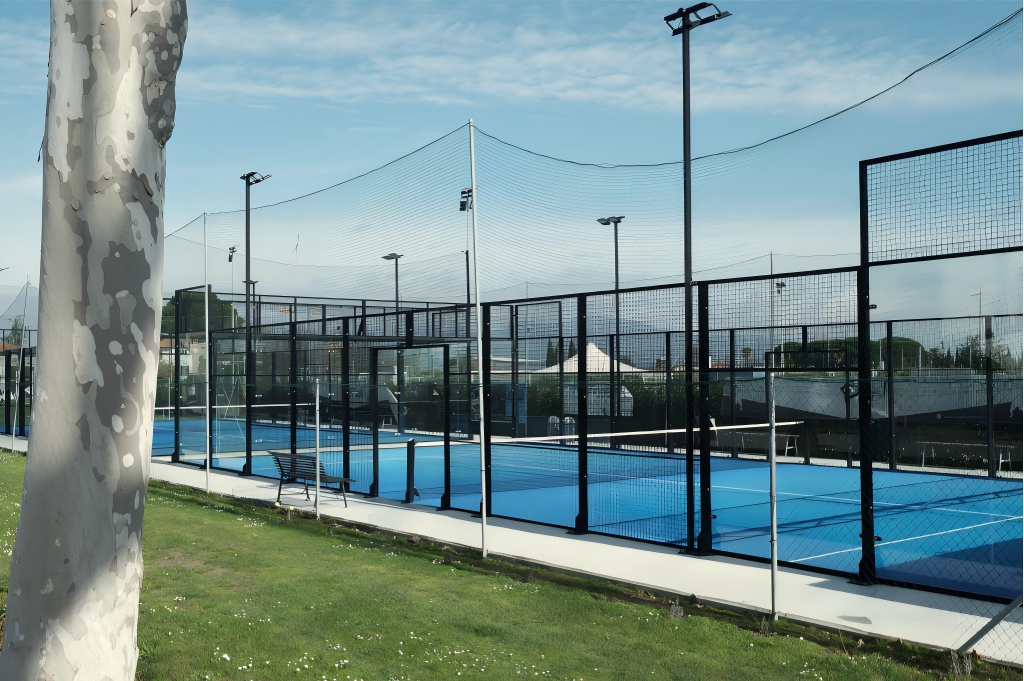
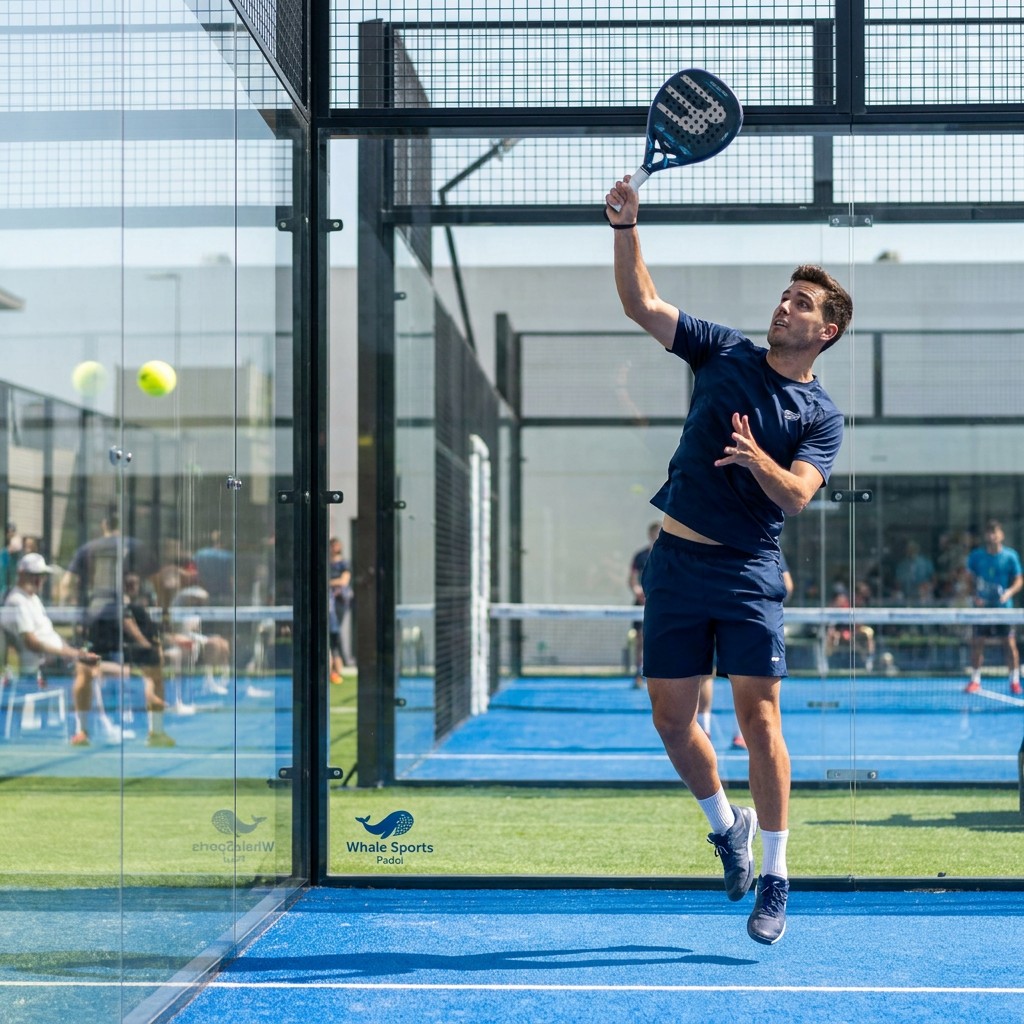
- 10mm safety glass – specified at a portable panel dimension to keep handling and transport practical while retaining a glazed, professional playing enclosure.
Specifications
| Parameter | Details |
|---|---|
| Foundation | Self-supporting steel base, no drilling or concrete required |
| Structure | Lightweight high-tensile steel, optimised for frequent assembly and disassembly |
| Glass | 10mm safety glass, portable panel dimensions |
| Installation | Interlocking bolt system, tools included, 48-hour setup |
| Removal | Full dismantling in 24 hours |
| Assembly cycles | 50+ cycles |
| Transport | 2 x 40HQ containers, compact packing for global shipping |
| Base finish | High-grade galvanization on the mobile base |
| Conversion | Can be fixed permanently with traditional anchors at any later date |
| MOQ | 1 set |
Materials & Finish
- Mobile base: integrated perimeter weighting system in heavy-duty steel, hot-dip galvanized to survive repeated outdoor deployments.
- Frame: lightweight high-tensile steel sections, chosen so that strength is retained while individual components stay within manual and light-lift handling limits.
- Glass: 10mm safety glass in portable panel dimensions — a deliberate trade against 12mm permanent-court glass to keep transport and installation feasible.
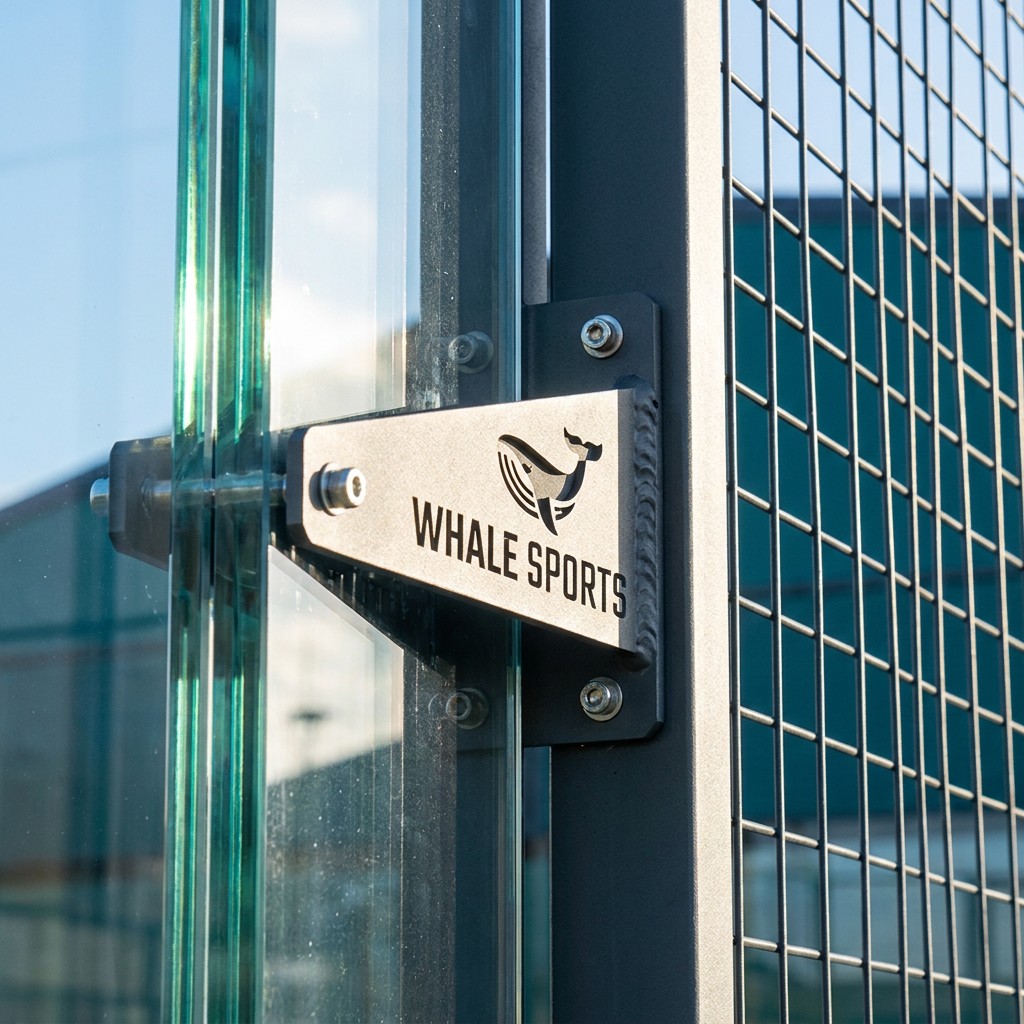
- Connectors: interlocking bolt-on modular joints with factory-supplied tooling, so on-site assembly does not depend on specialist welding.
- Packaging: protective packing designed for frequent transit and repeated container loading, so panels and frame sections arrive without edge or surface damage.
Assembly & Installation
- The court is assembled from interlocking bolt-on modules; the perimeter weighting system is positioned as part of the build, so no fixing is made into the ground surface.
- Standard tooling is supplied with the court, and a crew can bring the structure to playable condition within 48 hours and dismantle it in 24 hours.
- Suitable substrates include asphalt, concrete hardstanding, parking lots, city squares and rooftop terraces, provided the surface is flat.
- Converting to a permanent court later requires only traditional bolt fixings: the weighting system is removed and the same frame, glass and mesh components are reused.
Applications
- Music festivals and brand activations – a bookable, photogenic court inside an event footprint, installed and removed within the event window.
- Shopping mall plazas – footfall-driven locations where permanent construction is not permitted by the landlord.
- Temporary sports tours – touring organisers can move the same court between cities and venues across a season.
- Rooftop courts – space that cannot take drilling or added dead load from a concrete foundation.
- Historic city squares and heritage sites – locations where any ground fixing would be prohibited outright.
- Rental and lease-based operations – operators on short leases who need an asset that can be relocated or resold rather than written off.
FAQ
Q: Does the Mobile Series really require no drilling and cause no ground damage?
A: Correct. The enclosure is held by an integrated self-supporting weighting system rather than expansion bolts, so it can be installed on rented venues, hardstanding and heritage sites without altering the surface.
Q: How stable is a removable padel court during play?
A: Stable enough to feel like a permanent court. The design relies on calculated weight distribution across the perimeter and rigid bolted frame connections, which maintain structural rigidity during intense play.
Q: How long does assembly and disassembly take?
A: A crew can bring the court to fully operational condition within 48 hours, and dismantling takes about 24 hours — suited to weekend tournaments, exhibitions and seasonal pop-ups.
Q: Is the mobile padel court practical to ship internationally?
A: Yes. The modular components pack into 2 x 40HQ containers, and protective packaging is specified for frequent transit so panels and frame sections arrive undamaged.
Q: Can a mobile court be converted into a permanent court later?
A: Yes. The components are universal: remove the weighting system, apply traditional bolt fixings, and the same frame is installed as a permanent court.