
 EN
EN



The Padel Phenomenon: Why Young Athletes Are Flocking to the World's Fastest-Growing Racket Sport
According to the International Padel Federation, the sport has reached over 30 million players across more than 135 countries globally, with projections showing no signs of slowing down .
A Personal Discovery on a Madrid Rooftop
I first encountered padel on a business trip to Madrid in 2023. A colleague invited me to a "casual game" at a rooftop club. As a lifelong tennis player, I expected an easy afternoon. Within minutes, I was humbled—and utterly hooked. The ball rebounded off glass walls in ways I couldn't anticipate, the smaller court demanded rapid reflexes rather than raw power, and the doubles format meant constant laughter and strategy with my partner. By the end of the hour, I understood why Spain now has over 20,000 courts and 4 million players .
That experience sent me down a research rabbit hole. What I discovered is that padel isn't just another racket sport—it's a generational shift in how young people engage with athletic activity. And the data confirms what I felt on that Madrid rooftop: padel is uniquely positioned to capture the hearts of young athletes worldwide.
1. The Social Catalyst: Why Padel Feels Like a Party, Not Practice
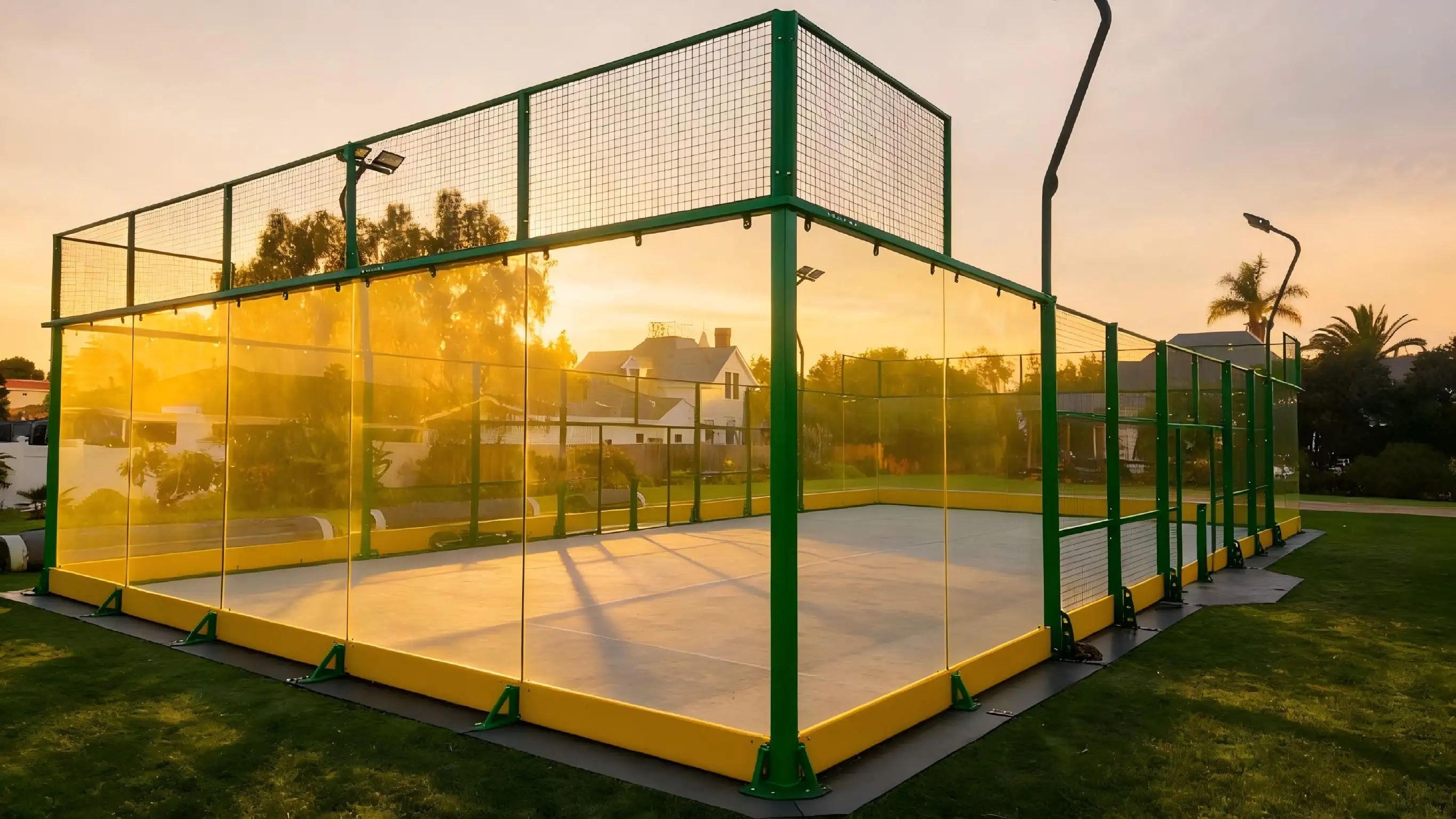
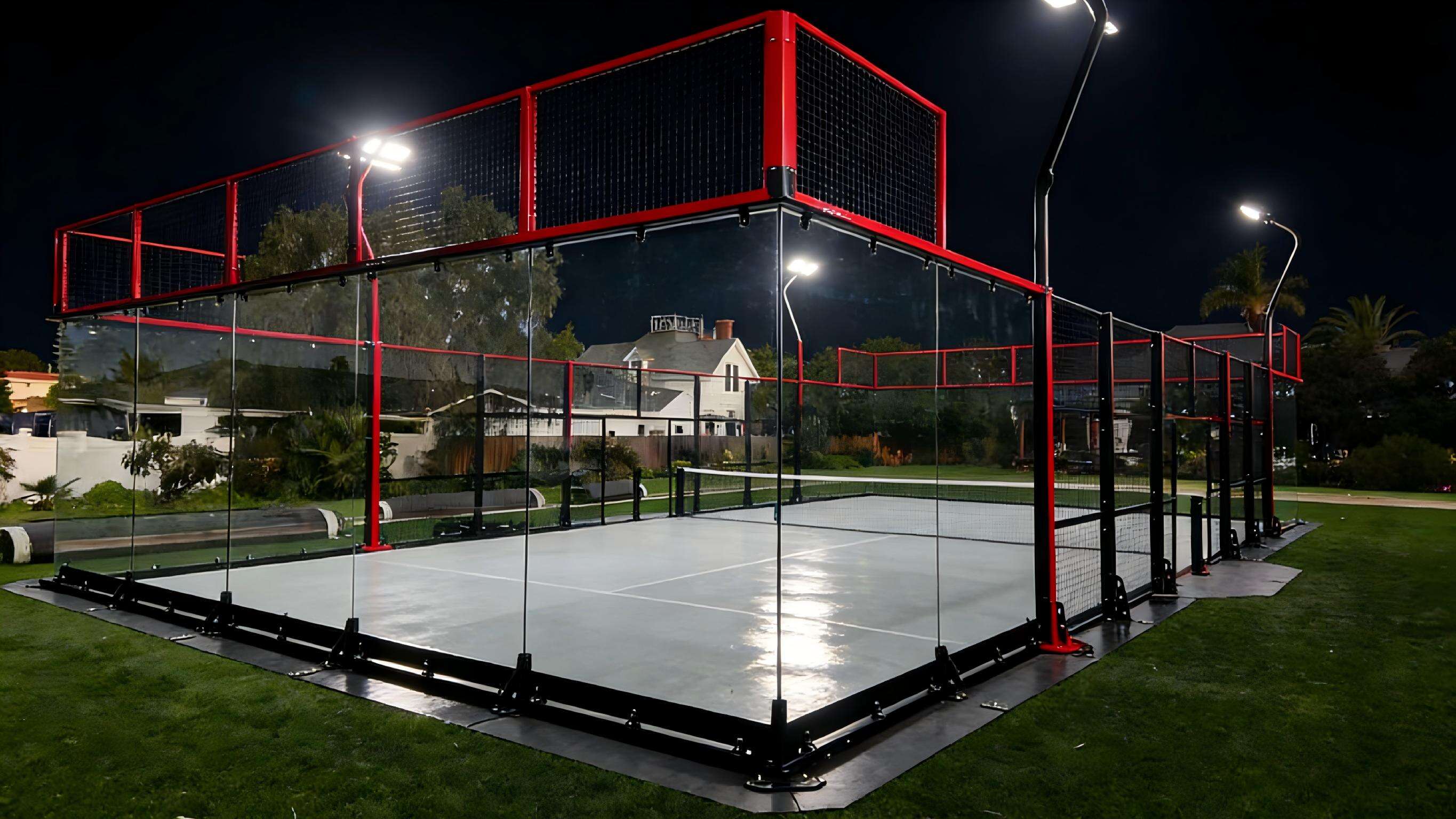
The most immediate appeal for young players is padel's inherent social architecture. Unlike tennis, where singles play can feel isolating, padel is almost exclusively played in doubles on a smaller, enclosed court (20m x 10m) . This creates an intimate space where conversation flows naturally between points.
A 2023 Deloitte report cited in industry analysis reveals that padel attracts a distinct demographic from traditional tennis. Critically, padel players at clubs "rarely play tennis, and vice versa" . Padel draws younger, more affluent members who are drawn to the sport's strategic complexity and social dynamics. Miami has emerged as the U.S. padel capital, with Florida leading national adoption followed by Texas, California, and New York .
The sport's post-match culture is equally important. Padel facilities increasingly position themselves as lifestyle destinations, with cafes, lounges, and social programming that extends the experience far beyond court time. For young athletes seeking both fitness and community, this package is irresistible.
2. Accessibility Without Compromise: The Low Barrier to Entry
Padel's genius lies in making newcomers feel competent immediately, while offering endless depth for serious competitors. The scoring system mirrors tennis but eliminates advantage play—after deuce, the next point wins the game . This simplifies learning while maintaining competitive tension.
The equipment itself is welcoming. Solid, perforated paddles require no stringing expertise, and the depressurized tennis ball bounces predictably, enabling rallies from the very first session . A 2025 market report confirms that "it is easy to learn and suitable for all ages and skill levels," noting that anyone with experience in badminton, tennis, or squash adapts quickly .
Yet accessibility doesn't mean simplicity. As players progress, they discover the sport's strategic layers—using glass walls for angled shots, mastering the bandeja (a defensive overhead), and developing court positioning. This balance keeps young athletes engaged for years.
3. Scientific Validation: The Athletic Benefits Backed by Research
Skeptics might dismiss padel as "tennis-lite," but emerging sports science tells a different story. A 2025 randomized controlled trial published in the Journal of Functional Morphology and Kinesiology examined 25 children aged 11–15 who underwent 8 weeks of padel training .
The results were striking: the padel group showed significant improvements in sprint performance (F = 10.55, p = 0.004) and increased handgrip strength post-training (p = 0.004), while the control group actually declined . The researchers concluded that "8 weeks of PD seem to be effective in improving strength- and power-related variables in healthy, untrained children. This could be considered an alternative to traditional sports to improve the body fitness of young children and should be applied in school-based programs and the sports club community" .
A comprehensive scoping review from the National Institutes of Health identified that padel develops explosive movements, change-of-direction ability, and racket skills . The alternating intervals between high- and moderate-intensity exercise demand sustained effort—players typically operate above 50% of VO2max and 74% of maximum heart rate .
4. Age-Appropriate Development: Science Meets Coaching
The NIH review revealed that youth padel research now spans five critical areas: teaching methodologies, psychological characteristics, physiological demands, physical attributes, and gameplay parameters . This scientific foundation enables coaches to optimize training for young athletes.
Key findings include:
-
Modified courts (10m x 6m instead of 20m x 10m) and reduced ball pressure optimize learning for children aged 8–10
-
Rally duration increases with skill level—from 7–9 seconds in beginners to 9–12 seconds in national players
-
Stroke frequency varies by level, from 4 shots per rally at initiation to 6–9 at regional and national levels
-
Technical actions differ by stage: beginners focus on forehand and backhand, advanced players on volleys, and elite players on the bandeja to finish points
Psychological research shows that young padel players exhibit higher self-confidence and lower cognitive and somatic anxiety compared to athletes in some other sports, though boys show greater somatic anxiety than girls, suggesting the need for sex-specific psychological strategies .
5. The Infrastructure Explosion: Courts Multiplying Worldwide
Young athletes can't play without facilities, and the global construction boom is staggering. According to Playtomic data cited by Padel Magazine, the number of padel courts worldwide will grow from 10,096 in 2016 to an estimated 81,555 by 2027—an eightfold increase in just over a decade . The post-COVID explosion in 2021 saw 45% growth in a single year, and growth has stabilized at a remarkable 17% annually .
This expansion spans every continent: Europe (Spain, Italy, France, Sweden), Latin America (Argentina, Brazil, Mexico), the Middle East (Qatar, UAE, Saudi Arabia), and emerging markets in Asia (India, Japan, Thailand) and North America (USA, Canada) . With an average of 100–150 regular players per court, this suggests a global playing community exceeding 10 million active participants by 2027 .
In the UK alone, the Lawn Tennis Association reports that building a single covered padel court costs approximately £62,000–£75,000, with clubs investing heavily to meet demand . A Scottish tennis club recently secured £40,000 in funding for a covered court, noting that "the introduction of padel tennis which is a relatively new and inclusive sport will reinvigorate sports provision" .
6. Why Padel Wins: The "Just Right" Goldilocks Zone
Comparing padel to other racket sports reveals why it hits the sweet spot for young athletes. Tennis demands extensive running on a large court (23.5m x 8m) and rewards powerful serves and groundstrokes . Pickleball, while accessible, uses a smaller court (13.5m x 6m) and a plastic wiffle ball that some young players find less satisfying .
Padel occupies the "just right" middle ground:
-
Court size is intimate enough for conversation but large enough for athletic movement
-
Ball speed allows rallies without requiring elite reflexes
-
Wall play adds a strategic puzzle that tennis and pickleball lack
-
Doubles format ensures constant participation and teamwork
As Red Bull's sport guide notes, "Padel offers innovation, teamwork and a relaxed playing style that appeals to many" .
The memory of that first Madrid match still makes me smile—not because I played well, but because I experienced something rare: a sport that felt simultaneously new and familiar, challenging and welcoming. For today's young athletes, padel offers exactly that combination. It delivers genuine fitness benefits validated by peer-reviewed research , a social experience that builds community , and a growth trajectory that promises courts in every neighborhood .
When a young person picks up a padel paddle for the first time, they're not just learning a game. They're joining a global movement that has already reached 30 million players and is adding millions more each year . And unlike so many activities competing for their attention, padel delivers on its promise: immediate fun that rewards a lifetime of practice. That's a combination no young athlete can resist.
Table of Contents
- The Padel Phenomenon: Why Young Athletes Are Flocking to the World's Fastest-Growing Racket Sport
- A Personal Discovery on a Madrid Rooftop
- 1. The Social Catalyst: Why Padel Feels Like a Party, Not Practice
- 2. Accessibility Without Compromise: The Low Barrier to Entry
- 3. Scientific Validation: The Athletic Benefits Backed by Research
- 4. Age-Appropriate Development: Science Meets Coaching
- 5. The Infrastructure Explosion: Courts Multiplying Worldwide
- 6. Why Padel Wins: The "Just Right" Goldilocks Zone