
 EN
EN



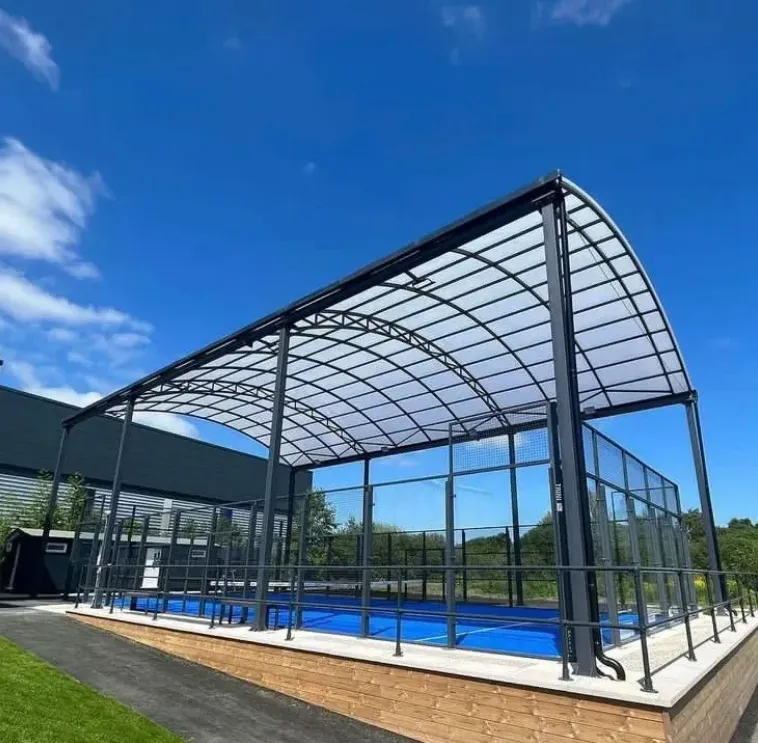
Glass Wall and Fence Maintenance for Safety and Clarity
Proper maintenance of glass walls and fences is critical for player safety and optimal visibility in padel tennis court equipment. These transparent barriers endure constant ball impacts and environmental exposure, demanding systematic care protocols.
Daily Cleaning Protocols to Prevent Scratching and Hazing
Daily maintenance is key for keeping sports court glass surfaces clear and functional. Start with soft microfiber cloths and neutral pH cleaners to wipe away dust, ball scuff marks, and any organic buildup before it becomes stubborn residue. Steer clear of abrasive materials or strong chemical solutions since these can scratch the surface at microscopic levels. Those tiny scratches accumulate over time, creating permanent cloudiness that blocks visibility during games. Regular upkeep maintains around 90 percent transparency which means players see everything clearly without distractions. Facilities that stick to daily cleaning schedules report cutting their glass replacement expenses nearly in half compared to places that only clean once a week according to recent industry research from major sports centers.
Quarterly Structural Inspection of Mounting Hardware and Seals
Inspect mounting hardware and seals every three months, checking for:
- Loosening or corrosion at frame anchor points
- Degradation of silicone sealant at glass-to-frame junctions
- Cracking or compression of gaskets in frameless systems
- Glass edge stability within mounting channels
Addressing early signs—like seal failure or fastener corrosion—prevents displacement incidents. Facilities following scheduled inspections report 75% fewer emergency repairs related to glass movement. Always tighten hardware to manufacturer-specified torque values and replace compromised seals immediately to sustain weatherproofing and impact resistance.
Net and Metal Structure Maintenance for Play Integrity
Tension Calibration and Corrosion Prevention for Steel Posts and Cables
Keeping the net at proper height while avoiding dangerous sagging means checking cable tension once a month with a good quality gauge. For steel systems, we're looking at around 200 to 250 pounds of tension as the sweet spot that keeps everything safe and functional. Quarterly checks on the posts themselves are important too, particularly where they meet the ground since that's where rust tends to form fastest due to all the moisture collecting there. When dealing with oxidation spots, stick to gentle cleaners instead of anything abrasive, followed up with a coat of zinc rich primer. If installation happens near the coast, going with hot dip galvanized parts makes a world of difference. Field tests have shown these components hold up about three times better against corrosion compared to regular coatings, which really matters when structures need to withstand harsh weather conditions year after year.
Biannual Net Fabric Replacement Guidelines Based on UV Exposure Data
Polyester net fibers break down when exposed to UV rays, which can cut their tensile strength by around 40% each year in places where sunlight is intense. For areas where UV levels regularly exceed 7, it makes sense to replace nets about every six months. If the climate isn't quite so harsh with UV readings between 4 and 6, once a year should work just fine. Keep an eye out for these warning signs that signal trouble ahead: first, when the color starts fading, this usually means the polymer is starting to degrade. Second, look for fraying along the edges caused by constant wind stress. And finally, check if the middle section is getting thinner since that's where balls hit most often during play. Checking local weather service reports about solar intensity helps determine exactly when replacements are needed. Doing this regular checkup keeps those unexpected mid-game failures at bay and maintains consistent ball bounce throughout matches.
Floodlighting and Electrical System Upkeep for Reliable Night Play
LED Fixture Cleaning, Alignment, and Photometric Testing Schedule
Keeping LED floodlights in good shape makes all the difference for safe nighttime games. Lenses should get cleaned about once a month using gentle cleaning products since dirt builds up over time and can actually reduce light output by around 30% each year. Check how the lights are positioned at least four times a year too because when they're out of alignment, we end up wasting about 15% of the energy and players struggle to see properly. Every six months or so, it's worth doing some proper light measurements to see if the court meets those international sports lighting requirements. Courts that drop below 800 lux just won't pass inspection for official tournaments. Taking care of these maintenance tasks regularly not only helps the equipment last longer but also keeps everyone safe from unexpected electrical problems right in the middle of important matches.
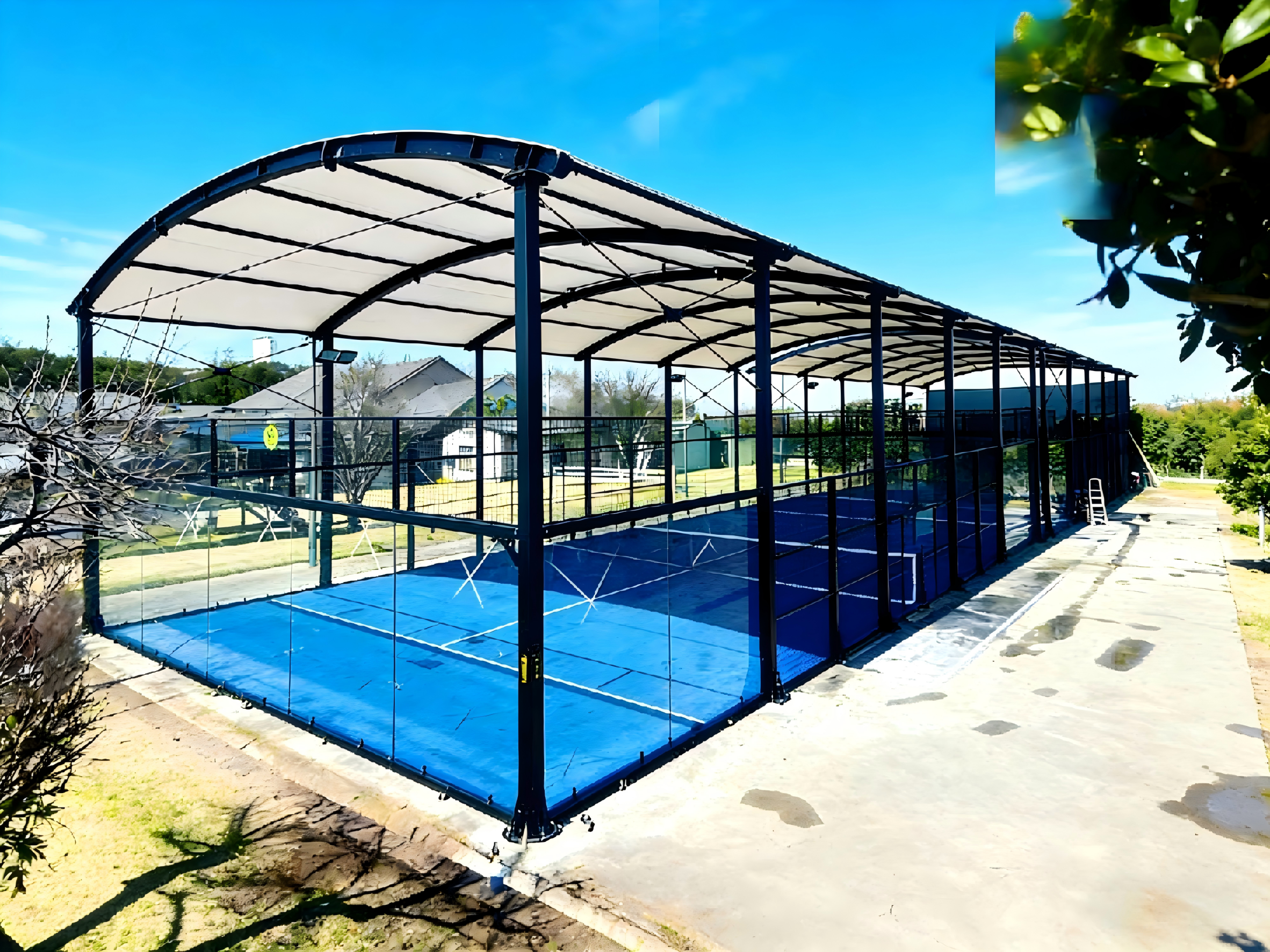
Playing Surface and Ancillary Padel Tennis Court Equipment Care
Artificial Grass Grooming, Debris Removal, and Infill Redistribution
Giving artificial turf a good brush weekly against the grain helps keep those fibers standing straight instead of getting all matted down. Daily cleanup is important too - sweep away leaves, grass clippings, and other organic stuff with either a leaf blower or a stiff bristled broom. This keeps microbes from taking hold in the surface. For the silica sand infill, we recommend dragging it around every 6 to 8 weeks so it stays evenly distributed at about 5 to 7 millimeters deep. That's actually pretty crucial because if it gets too thin, players will notice the difference when running and balls won't bounce consistently across the field. Quarterly power washing does wonders for getting rid of dirt and grime that works its way into the surface, which can clog up the drainage system over time. The pros know what they're talking about when they say an uneven layer of infill makes surfaces wear out around 30% faster than they should.
Ball Storage and Racket Care Best Practices to Extend Gear Longevity
Padel balls need proper storage conditions around 15 to 20 degrees Celsius if we want them to keep their pressure inside and maintain good felt quality. Once a match is done, it's smart to clean racket frames with those soft microfiber cloths because sweat left on there can actually eat away at carbon fiber materials over time. For grip maintenance, wrap them with something that pulls moisture away and definitely hang rackets upright in breathable storage bags instead of stacking them flat where they might bend out shape. When playing for long periods, switch between different sets of balls regularly too. The constant squeezing against each other really takes a toll, cutting down on how consistently they bounce after only about three hours of non-stop use according to what many players have noticed through experience.