
 EN
EN


Terrain de Padel Surface Materials: Performance, Longevity, and Context
Artificial Turf, Concrete, and Acrylic: Comparative Analysis for Play Quality and Lifespan
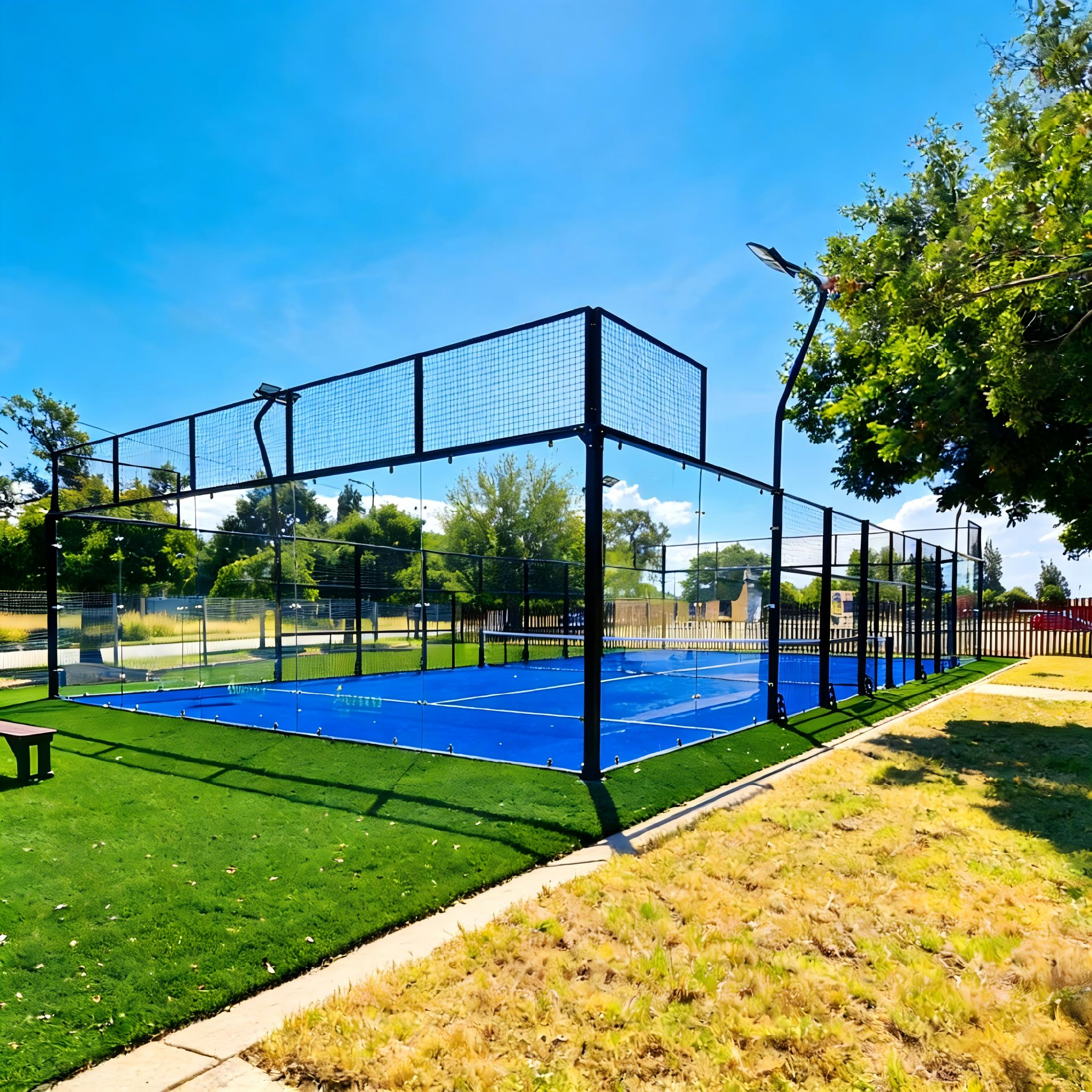
The choice of surface material makes all the difference when it comes to how players feel on the field and what kind of money gets spent over time. Most new facilities these days go with artificial turf because it absorbs shocks better than concrete or asphalt. Studies show this can cut down on lower body strain during side-to-side moves by around 30%, according to the Sports Facility Journal from last year. The typical 8 to 12 millimeter sand-filled setup gives balls predictable bounce patterns and cuts down injuries, which is why many busy clubs love it so much. Concrete surfaces last forever and hardly need any upkeep, making them popular at top level competitions where speed matters most. But let's face it, playing on something as hard as concrete tires out athletes pretty fast after an afternoon match. Acrylic coatings offer something in between though. They have those special textures that grip the feet well, and nowadays they hold up for about five to seven years of heavy use before needing fresh paint jobs. For most facilities looking to balance quality with budget constraints, acrylic seems like a smart compromise.
Indoor vs Outdoor Terrain de Padel: Climate, Usage Volume, and Material Suitability
The environment plays a big role in determining what kind of surface works best for different locations. When it comes to outdoor courts, good drainage and protection against sun damage are essential. Porous artificial turf does a great job handling heavy rain showers, usually drying out enough for play again within half an hour or so. Acrylic coatings that resist UV rays help keep colors looking fresh and stop the surface from breaking down over time, which can add two to three extra years of useful life in hot tropical regions. Inside buildings where weather isn't a factor, concrete tends to be the go-to option. Still, proper ventilation becomes important because dust particles get kicked up when people walk on these surfaces. For public spaces that see lots of action, say fifty hours a week or more, regular turf just won't cut it anymore. These places need either reinforced grass alternatives or industrial strength acrylic coatings since normal materials tend to wear away about forty percent quicker under such constant use. And then there's the special case of beachside clubs dealing with salty ocean breezes. They have to invest in polymer mixtures specifically designed to stand up against corrosion caused by all that moisture in the air.
Terrain de Padel Safety and Play Dynamics: Balancing Traction, Bounce, and Skill Inclusion
Traction�€“Injury Risk: Evidence from Real-World Data and Player Cohort Studies
How a surface feels underfoot makes a big difference for player safety. Turf that's around 12 to 15 mm high gives just enough traction so players can stop without twisting ankles or knees. The problem comes when surfaces get too rough, like some acrylics that create extra friction and put stress on ACLs during side-to-side movements. Looking at actual data from groups of players, those who play on textured synthetics tend to suffer about 40 percent fewer sudden injuries compared to concrete courts. Why? Because these surfaces allow for better sliding control which helps athletes recover safely after quick directional changes. Most sports facilities should go for surfaces certified by the International Padel Federation (FIP) with at least 25% shock absorption. This kind of rating really matters for keeping everyone safe regardless of their skill level on the court.
Ball Response Consistency: Measured Bounce Variance Across Surface Types
The predictability of how balls behave really affects whether competition remains fair across different playing conditions. Testing has revealed that acrylic surfaces give the most consistent bounce, with vertical deviations staying under 3 centimeters. Artificial turf tells a different story though, showing around 10 to 15 percent more variation because the infill tends to settle unevenly over time. These differences actually change how games are played. Surfaces with little bounce variation like acrylic or resin allow skilled players to execute those pinpoint shots they're known for. Meanwhile, turf with moderate variance works better for newcomers who need that extra second or two to react properly. Water makes these differences even more pronounced. After rain hits outdoor turf, bounce heights can vary by as much as 20 percent, whereas indoor acrylic surfaces only see about a 5 percent change. For sports clubs making decisions about what kind of surface to install, matching the playing area to the skill level of most users seems pretty logical when considering all these factors.
Terrain de Padel Selection by Club Model: Aligning Investment with Operational Reality
Resorts, Municipal Facilities, and Private Clubs: Prioritizing Durability, Maintenance, and Member Experience
When it comes to outdoor courts, resorts tend to go for surfaces that can stand up to whatever Mother Nature throws at them. Acrylic systems are popular choice because they resist fading from sunlight and don't need much fixing up over time. City parks and public facilities care more about keeping costs down while handling heavy use. Textured concrete works well here since it gives good bounce consistency and holds up through hundreds of hours of weekly play without falling apart. Private clubs have different priorities though. They want their members happy, so many opt for cushioned playing surfaces. Studies from last year indicate these softer options cut down injuries around 18 percent compared to traditional hard courts, which makes sense when thinking about long term player satisfaction and safety concerns.
| Club Type | Primary Priority | Ideal Surface | Key Metric |
|---|---|---|---|
| Resorts | Weather resilience | Acrylic | 10-year UV degradation |
| Municipal | Cost efficiency | Textured concrete | 200+ weekly play hours |
| Private Clubs | Player experience | Cushioned surfaces | 18% lower injury incidence |
Maintenance demands differ significantly: self-draining surfaces cut resort cleaning labor by 30%; private clubs often invest in modular replacements to preserve aesthetic consistency. All models must weigh upfront costs against projected lifespan�€”premium surfaces last 12�€“15 years, while economy options typically require replacement in 5�€“7 years.
Future-Proofing Your Terrain de Padel: Sustainability, Certification, and Regulatory Readiness
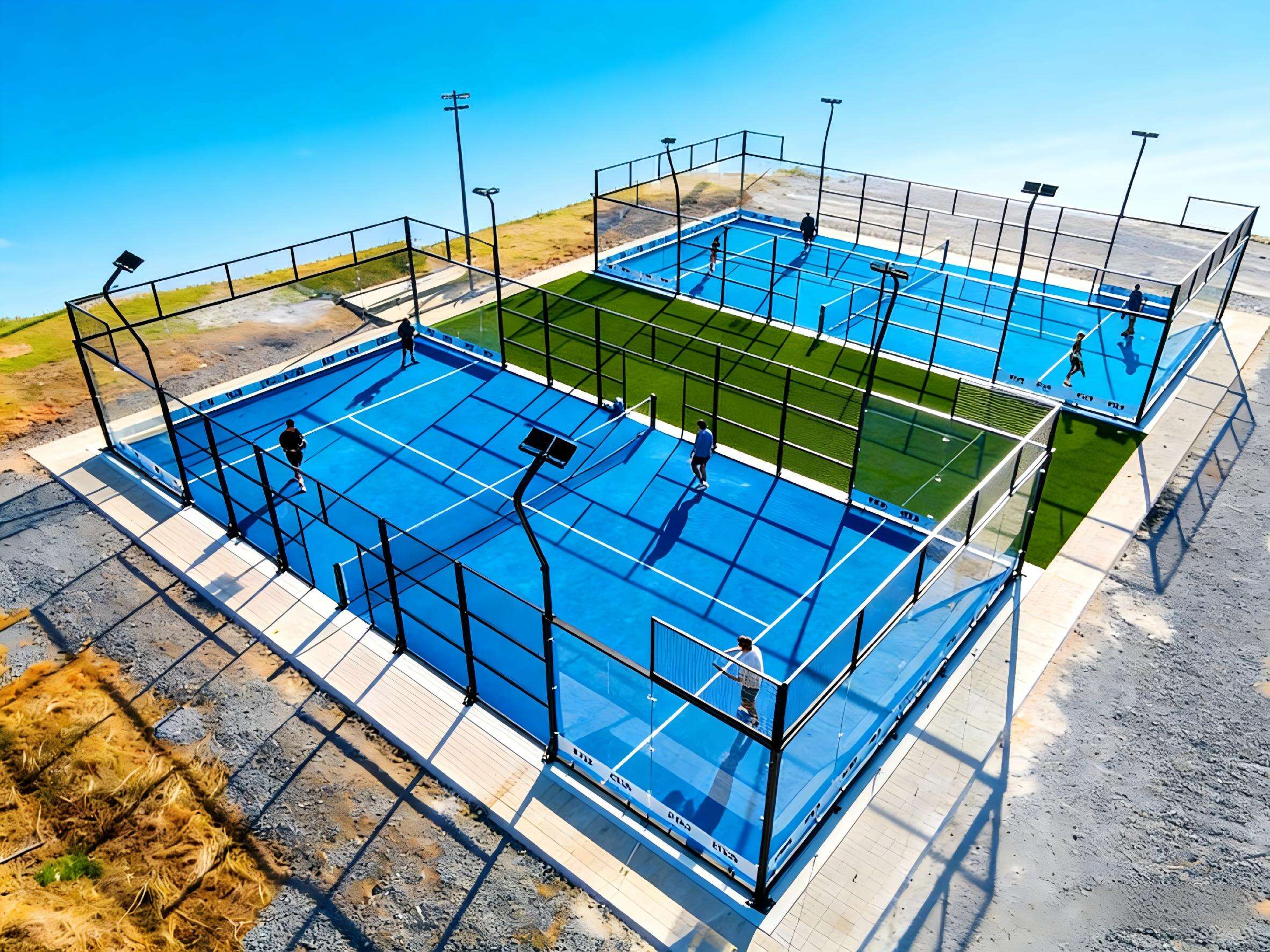
The long term success of sports facilities really depends on getting sustainability right from the start. This means bringing in green standards, getting proper certifications, and staying ahead of what regulators might require next. Using courts made from materials that can be recycled later, plus switching to LED lights instead of old fashioned bulbs, cuts down both our carbon footprint and monthly bills. When places get certified by groups like ISO 9001 or TÜV, they're basically proving their structures won't fall apart prematurely. Some clubs have actually saved hundreds of thousands when problems arise early because of these checks according to research from Ponemon Institute back in 2023. More cities are now passing laws about controlling noise levels around venues and where materials come from environmentally. Facilities need paperwork showing they follow all these rules to dodge fines. Sports centers that make sustainability part of their daily operations tend to attract more investors who care about ESG factors and keep members coming back year after year since everyone sees they're doing their part for the planet.
Table of Contents
- Terrain de Padel Surface Materials: Performance, Longevity, and Context
- Terrain de Padel Safety and Play Dynamics: Balancing Traction, Bounce, and Skill Inclusion
- Terrain de Padel Selection by Club Model: Aligning Investment with Operational Reality
- Future-Proofing Your Terrain de Padel: Sustainability, Certification, and Regulatory Readiness