
 EN



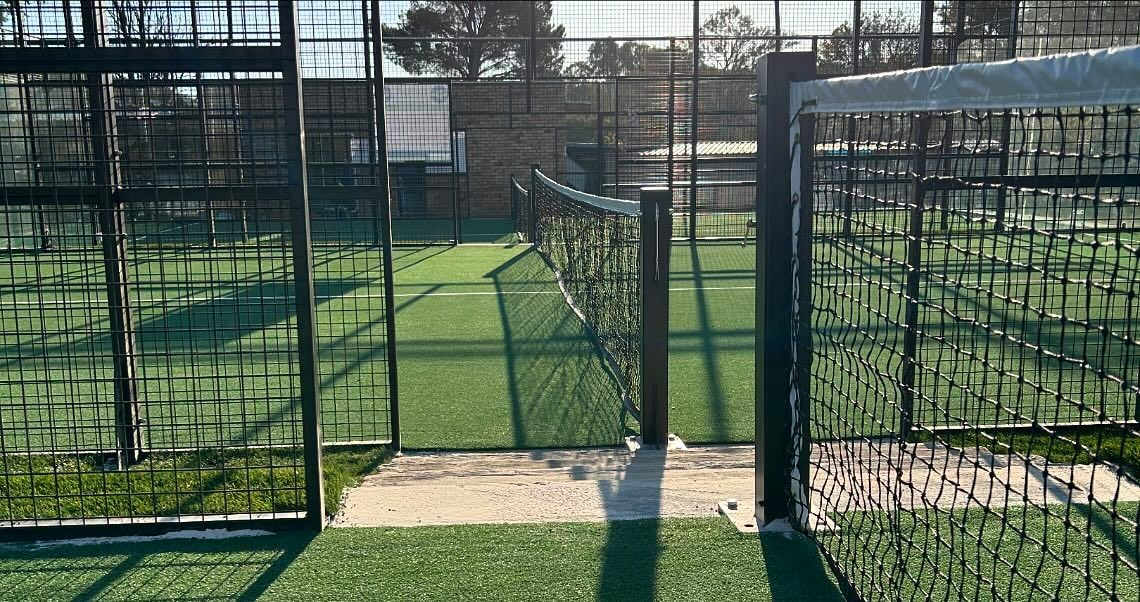
Rapid Deployment: Modular Mobile Padel Court Installation in Under 72 Hours
How Tool-Free Modular Design Enables Same-Week Setup and Teardown
A mobile padel court with a tool-free modular frame eliminates the primary bottleneck in temporary sports activations: installation time. Panels connect via precision interlocking joints and quick-lock pins—no drills, bolts, or heavy machinery required. With just four to six workers and a flat, level surface (concrete, turf, or compacted grass), a standard court can be assembled in under one day. Full event builds—including fencing, lighting, and branding—consistently complete within 72 hours because every component arrives pre-cut, pre-drilled, and clearly labeled. Teardown mirrors setup in reverse, requiring no concrete footings, ground anchors, or welded connections. The system’s inherent flexibility also allows real-time adjustments: courts can be shortened, extended, or repositioned between sessions. Components are fully reusable and store efficiently in standard shipping containers, enabling redeployment within days. Supported by structural warranties of up to 10 years, the design is engineered for repeated, reliable tool-free assembly—giving planners predictable timelines without dependence on permanent construction crews.
Real-World Validation: Urban Pop-Ups and Festival Installations Completed in <3 Days
Urban pop-ups and festival activations consistently demonstrate that mobile padel courts go from delivery to play in under three days. Teams follow pre-sequenced plans: Day 1 for base and frame, Day 2 for turf, fencing, and netting, Day 3 for final safety checks, lighting calibration, and branding. In city plazas, temporary installations avoid excavation and concrete pours entirely; stability comes from ballast blocks or low-impact anchors that protect pavers and underground utilities. Festival operators strategically place courts near food vendors or main stages to boost foot traffic and engagement. Because modules arrive compact and crane-free, wide-load permits and specialized rigging are rarely needed. Multi-day tournaments use the same configuration for matches, coaching clinics, and sponsor activations—then dismantle overnight after the final match. This field-proven efficiency supports confident scheduling: a Wednesday build enables Saturday play, with full venue restoration by Monday morning.
Regulatory and Logistical Simplicity for Event Organizers
Zero Building Permits: Zoning Advantages of Non-Permanent Mobile Padel Courts
Mobile padel courts are classified as temporary event equipment—not permanent structures—by most municipal codes. With no concrete foundation, utility tie-ins, or fixed anchoring, they typically fall outside building-permit requirements. Zoning reviews focus on long-term land-use changes, setbacks, and drainage impacts—none of which apply to a structure installed and removed within days. As a result, approval timelines shrink from months to just a few business days in many jurisdictions. While organizers should always verify local regulations, the default regulatory pathway is significantly streamlined. Eliminating the need for architectural drawings, engineering stamps, and inspection sign-offs also reduces fees and administrative delays. For brand activations or short-term tournaments, this regulatory agility isn’t just convenient—it’s often the deciding factor in venue selection and timeline feasibility.
Venue Preservation: Non-Invasive Installation on Malls, Plazas, and Exhibition Halls
The court rests on adjustable, non-penetrating supports that evenly distribute load across finished surfaces—no bolts, adhesives, or penetrations required. Marble, tile, polished concrete, and synthetic turf remain fully intact after removal. Installation occurs directly over existing floors, with no cutting, drilling, or sealing. Low point loads prevent cracking, indentation, or substrate damage—unlike heavy bleachers or staging systems. This makes the system ideal for high-value venues like shopping malls, public plazas, and exhibition halls, where security deposits and restoration clauses are strict. Organizers can position the court as a zero-restoration-risk solution—appealing directly to venue managers’ top concerns. Because setup and teardown are clean and rapid, venues resume normal operations within hours. The same non-invasive principle safeguards underground utilities and waterproofing membranes—critical for rooftop plazas or basement exhibition spaces. For temporary sports events, venue preservation isn’t just beneficial—it’s frequently the prerequisite for approval.
Proven Versatility Across Temporary Event Formats
Brand Activations, Community Festivals, and Multi-Day Tournaments — All Supported by One Mobile Padel Court System
A single mobile padel court system seamlessly adapts to brand activations, community festivals, and multi-day tournaments—without structural modification. Organizers reconfigure the same court for demo matches, beginner clinics, and competitive brackets in under two hours. This adaptability increases daily player throughput and minimizes idle time: a 2024 venue operations study found modular temporary courts boosted daily capacity by 32% compared with fixed recreational setups. Surface tension, net height, and boundary dimensions remain consistent across configurations—ensuring fair, predictable play for all skill levels. Crews simply reset boundary panels, spectator zones, and sponsor signage between sessions. The system also integrates live streaming rigs, branded backdrops, and awards staging—eliminating the need for separate infrastructure. For teams managing tight schedules and diverse audience segments, this all-in-one versatility compresses planning cycles and lowers per-event rental costs.
Indoor/Outdoor Adaptability: Transport Efficiency and Surface Flexibility
Compact Transport, All-Terrain Setup, and Climate-Resilient Surface Options
Engineered for rapid relocation, mobile padel courts fold into stackable modules that fit standard trailers—cutting freight volume and transport costs versus permanent court components. A small crew can unload and position sections without cranes or heavy machinery. The base frame uses adjustable leveling feet and interlocking joints, enabling stable setup on grass, asphalt, concrete, or compacted gravel—no ground penetration required. Surface options include UV-stabilized artificial turf for prolonged sun exposure and slip-resistant coatings for wet conditions. Integrated drainage channels and sealed panel edges maintain safe play after brief rain, while materials withstand temperature swings—from freezing mornings to midday heat. Because the court operates independently of fixed foundations, event teams can move it from an indoor exhibition hall to an outdoor festival site within the same weekend—preserving consistent playing quality across environments and climates.
FAQ
What is a modular mobile padel court?
A modular mobile padel court is a portable sports facility designed for quick assembly and disassembly using a tool-free, modular system. It is designed for temporary use in events such as tournaments, festivals, and brand activations.
How long does it take to install a modular mobile padel court?
With a tool-free modular design and a team of four to six workers, the court can be set up in under 24 hours, with the full build (including fencing, lighting, and branding) completed within 72 hours.
Do modular mobile padel courts require building permits?
Generally, no. Mobile padel courts are classified as temporary structures, which usually exempts them from building-permit requirements. However, organizers should always verify local regulations.
Can mobile padel courts be installed on any surface?
Yes, mobile padel courts are designed for all-terrain setups. They can be installed on surfaces like grass, turf, concrete, asphalt, gravel, and more, without requiring ground penetration.
Are modular padel courts environmentally friendly?
Yes, they are designed to minimize environmental impact. The courts can be installed without excavation, ground anchors, or concrete footings, making them non-invasive.
Can mobile padel courts be reused?
Yes, the components of modular padel courts are fully reusable and can be stored in standard shipping containers, making them easy to redeploy for future events.
Can these courts be used for both indoor and outdoor events?
Yes, modular mobile padel courts are adaptable for indoor and outdoor use with features like UV-stabilized artificial turf and slip-resistant surfaces for various weather conditions.
Are modular mobile padel courts suitable for all types of events?
Yes, these courts are highly versatile and can be used for brand activations, community festivals, multi-day tournaments, and more. They can be reconfigured quickly for different purposes like demo matches, coaching clinics, and sponsor events.
Table of Contents
- Rapid Deployment: Modular Mobile Padel Court Installation in Under 72 Hours
- Regulatory and Logistical Simplicity for Event Organizers
- Proven Versatility Across Temporary Event Formats
- Indoor/Outdoor Adaptability: Transport Efficiency and Surface Flexibility
-
FAQ
- What is a modular mobile padel court?
- How long does it take to install a modular mobile padel court?
- Do modular mobile padel courts require building permits?
- Can mobile padel courts be installed on any surface?
- Are modular padel courts environmentally friendly?
- Can mobile padel courts be reused?
- Can these courts be used for both indoor and outdoor events?
- Are modular mobile padel courts suitable for all types of events?