
 EN



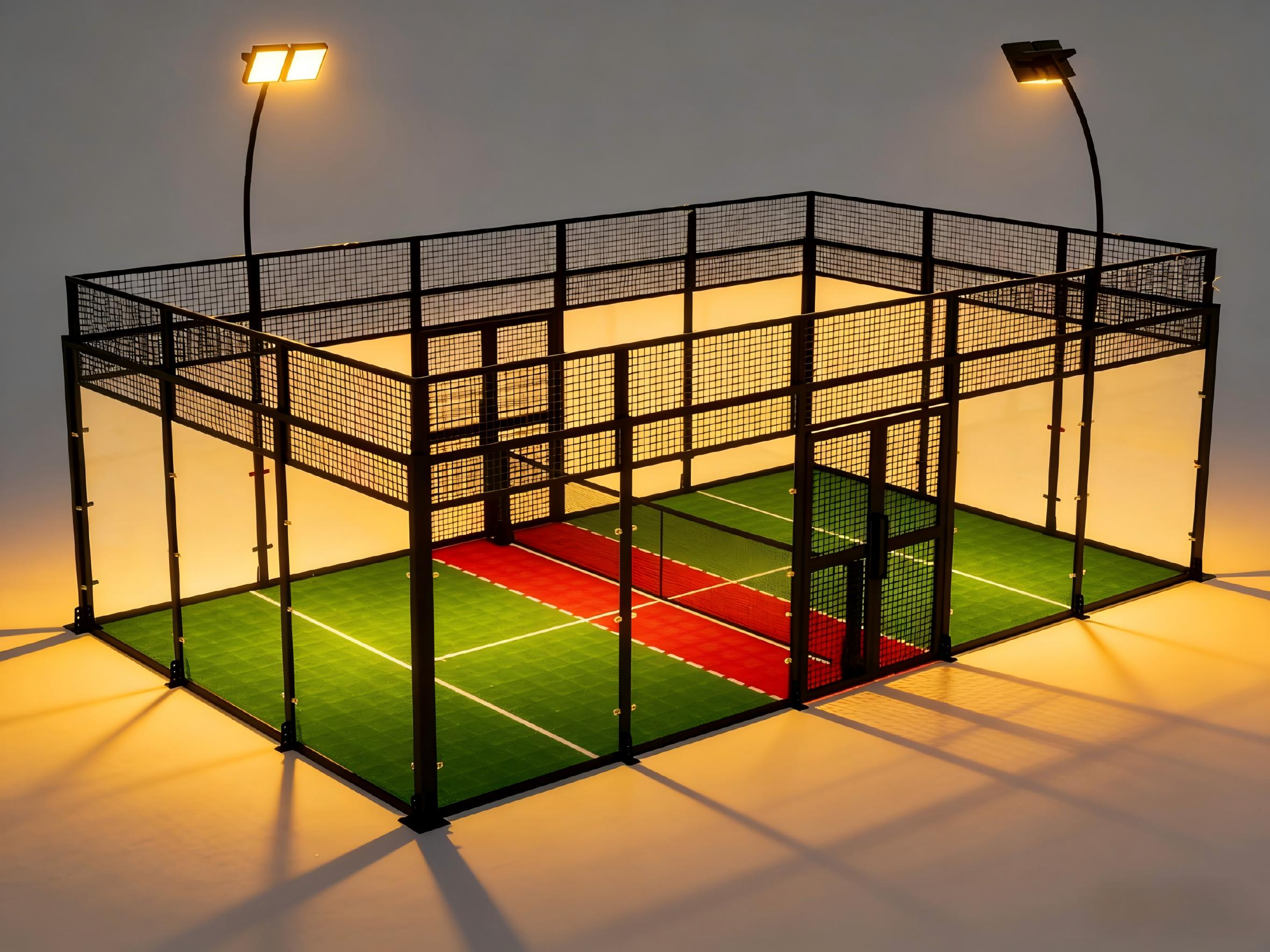
The Rapid Rise of Canchas de Padel Across Spain
From grassroots trend to national infrastructure: Padel’s 2015–2024 growth trajectory
Spain’s padel boom has evolved from a niche pastime into foundational sports infrastructure. Between 2015 and 2024, the number of canchas de padel surged from roughly 11,000 to nearly 17,000—up 5% year-on-year according to the FIP’s 2024 global report—alongside approximately 4,500 dedicated clubs and facilities. This expansion dwarfs tennis infrastructure: with just 5,700 courts nationwide, padel now accounts for over three times as many racket-sport surfaces in Spain. The growth reflects decades of organic adoption—rising from only 1,000–2,000 courts in 2000—and strategic reinvestment by clubs repurposing underused tennis land into enclosed padel structures. By 2024, Spain reached one court per 2,800 residents—the lowest ratio globally—signalling widespread accessibility rather than elite exclusivity. For club operators, this isn’t a passing trend but a structural shift shaping long-term facility planning, membership expectations, and capital allocation.
Geographic expansion: Concentration and accessibility of canchas de padel in Madrid, Barcelona, and regional hubs
While Madrid and Barcelona remain the densest hubs—with consistent new openings and high utilization—padel’s geographic footprint has broadened significantly across Valencia, Andalusia, the Basque Country, and smaller provincial centers. Unlike adaptable sports such as football or running, padel requires purpose-built, enclosed courts, driving intentional facility redesign: many clubs have converted obsolete tennis spaces or developed standalone indoor centers. In mature regions, padel courts now outnumber tennis courts outright, easing booking bottlenecks and improving scheduling resilience. That national density—one court per 2,800 people—enables neighborhood-level access, not just concentration in affluent urban cores. For operators, this pattern presents both opportunity and urgency: launching canchas de padel in a regional hub can draw members from surrounding towns, while delay risks attrition to nearby competitors offering the format.
Strategic Value of Canchas de Padel for Sports Club Viability
Boosting membership retention and attracting new demographics through canchas de padel
Canchas de padel serve as a powerful retention lever. Its shorter learning curve, social doubles format, and lower physical barrier make it uniquely accessible—drawing back lapsed members seeking low-intensity, sociable activity and engaging newcomers who might otherwise avoid tennis or gym-based fitness. Because every booking involves four players, court time translates directly into recurring group interaction and weekly habit formation. Spanish club data from 2024 show padel attracts disproportionately more women and adults aged 25–45 than other racket sports—broadening the membership base without aggressive discounting. That shift from occasional visits to scheduled, habitual play strengthens renewal decisions and supports sustainable growth rooted in engagement, not acquisition incentives.
Diversifying facility offerings while optimizing space and revenue per square meter
Padel delivers exceptional spatial and economic efficiency. A standard tennis court area accommodates two to three padel courts, multiplying bookable slots without requiring additional land. As a four-player sport, each hour of padel generates higher user throughput—and thus greater revenue per square meter—than singles racket disciplines. Clubs also benefit from lower entry costs: padel courts can be installed on existing hard surfaces with minimal ground preparation, reducing capital outlay. Their compact size lowers lighting, cleaning, and maintenance costs per player-hour, while flexible programming—lessons, corporate events, open play—maximizes occupancy. In practice, converting underused corners or aging hard courts into padel zones transforms low-yield space into high-frequency, high-margin assets.
Canchas de Padel as Catalysts for Community Engagement and Social Cohesion
Canchas de padel provide clubs with a proven mechanism to deepen social connection—not just athletic participation. The game’s doubles structure and intuitive rules lower barriers to entry, making it an effective on-ramp for broader club involvement.
Fostering inclusive participation: Family, youth, and mixed-gender appeal of padel
Padel’s design inherently supports inclusivity. Its smaller court, softer ball, and emphasis on placement over power enable meaningful participation across age and ability—from children to older adults, beginners to experienced players. Mixed-gender doubles are the norm, not the exception, turning matches into natural family activities. Clubs that schedule open mixed sessions and junior-friendly time blocks consistently report higher return rates. The conversational rhythm of doubles play also encourages spontaneous interaction, helping newcomers integrate more easily. Over time, these low-pressure, shared experiences position canchas de padel as a reliable first point of contact for individuals who may hesitate to join traditional single-gender or individual-sport environments.
Transforming sports clubs into civic hubs—beyond athletics, toward local identity and belonging
Padel reshapes how communities use sports facilities—not as destinations for discrete events, but as everyday gathering places. Regular doubles pairings, local tournaments, and informal open sessions give residents consistent reasons to return beyond formal competition. These repeated interactions foster familiarity, trust, and informal networks that extend off-court. As members form teams, host social events, and build routines around court bookings, the club becomes embedded in local identity. That evolution—from athletic venue to civic infrastructure—strengthens community resilience and positions the club as a pillar of belonging, not just physical activity.
FAQ
Why is padel so popular in Spain?
Padel has seen immense popularity in Spain due to its social doubles format, accessibility for players of all ages and skill levels, and the rapid expansion of infrastructure such as canchas de padel nationwide.
How does padel impact sports club revenues?
Padel increases revenue per square meter by allowing more courts within the same space as traditional tennis courts. Its four-player format also results in higher user throughput per hour.
Where are the highest concentrations of canchas de padel in Spain?
Madrid, Barcelona, and other regional hubs like Valencia, Andalusia, and the Basque Country have the densest padel court concentrations.
What makes padel inclusive for all ages and genders?
The smaller court size, slower ball speed, and emphasis on placement over power make padel accessible for children, older adults, beginners, and mixed-gender teams.
How are padel courts transforming community sports clubs?
Padel courts turn sports clubs into community hubs by fostering regular interaction through doubles matches, tournaments, and social events, creating a sense of belonging and local identity.