
 EN
EN



Understanding Core Spatial and Regulatory Requirements for Padel and Pickleball
Padel Court Dimensions, Enclosure Standards, and Acoustic Considerations
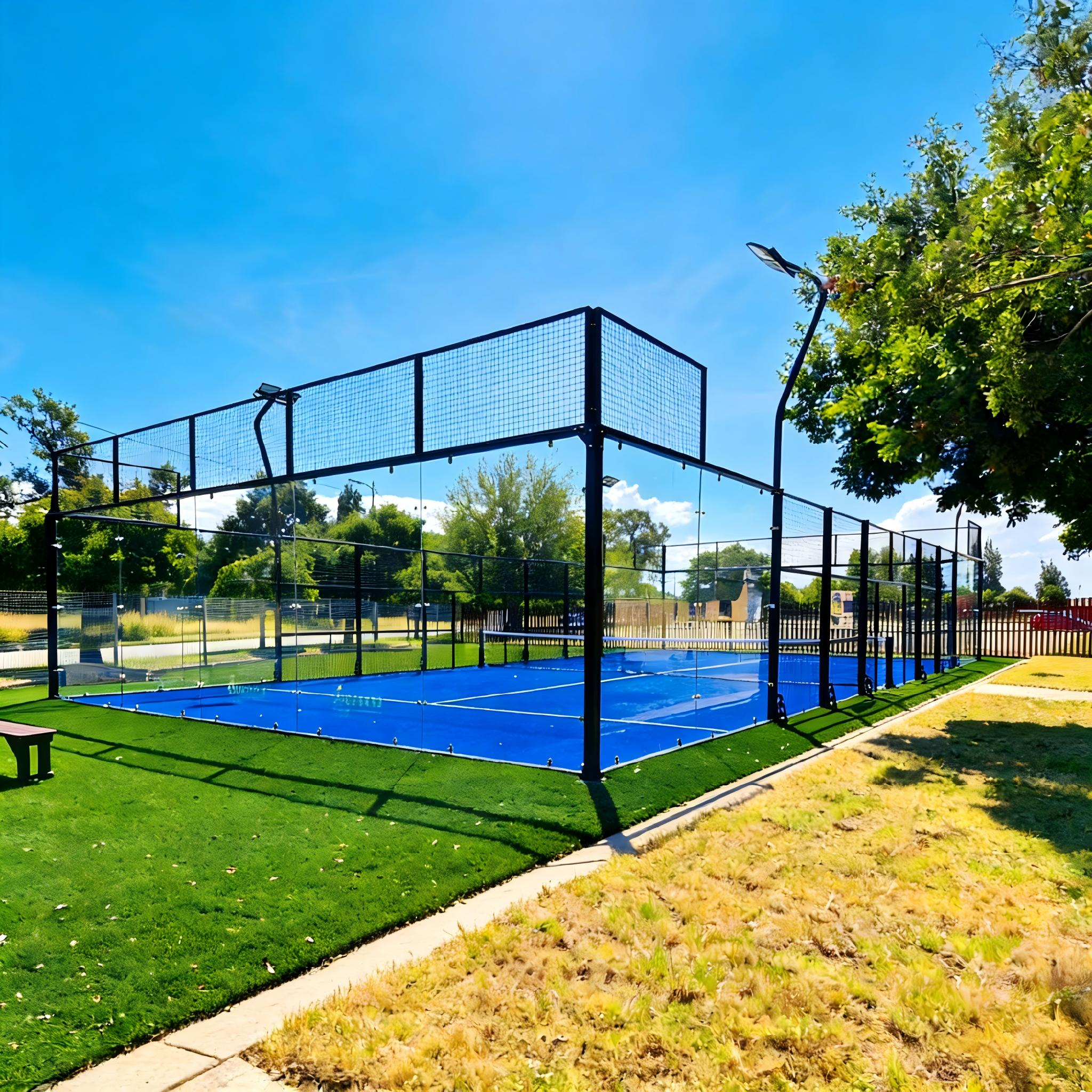
Standard padel courts measure about 20 meters long and 10 meters wide, completely surrounded by walls around 3 meters high. These walls are usually made from 4mm tempered glass with some metal mesh added for extra strength. According to rules set by the International Padel Federation (FIP), indoor courts need at least 4 meters of headroom space above them. When building courts in cities, controlling noise becomes really important because those balls hitting the glass can get pretty loud sometimes, often going over 85 decibels. To keep things quiet enough for neighbors, most courts install special wall panels with tiny holes or ceilings that soak up sound, bringing the noise level down to around 65 dB or lower. For the playing surface itself, certified artificial turf matters a lot too. The FIH (International Hockey Federation) has specific standards that ensure players won't slip and that balls bounce predictably across the court.
Pickleball Court Specifications: USAPA Compliance, Surface Traction, and Lighting Uniformity
According to the USAPA standards, official pickleball courts need to be around 6.1 meters wide and 13.4 meters long. There should also be at least 3.05 meters of space along the sides outside the actual playing area. The court surfaces have specific requirements too. They need to offer enough grip so players don't slip during those quick turns. This is usually done with acrylic resurfacing or special polymer coatings that meet a minimum DIN friction coefficient of 0.5. Lighting is another important factor. Courts must have LED lights that provide roughly 300 lux of light across the whole surface, give or take 10%. This follows the IES RP-20 guidelines which help reduce glare issues. For outdoor courts, there's one more thing to consider. A slight slope of about 1% across the court helps water drain away properly instead of pooling up and creating dangerous conditions for players.
Optimizing Shared Layouts: Efficient Multi-Court Configurations
Overlapping Footprints and Buffer Zone Synergies Between Padel and Pickleball Courts
When placing Padel courts (about 20 meters by 10 meters) next to Pickleball courts (roughly 13.4 meters by 6.1 meters), facility managers can save space on fencing around the edges. By lining up these courts so their longer sides run parallel, operators often cut down on those empty buffer areas between courts by somewhere around 15 to maybe even 20 percent without violating any of the FIP safety requirements. This kind of setup actually cuts down on building expenses, makes it easier to handle water drainage across multiple courts, and helps control noise better too. The shared walls between courts soak up quite a bit of the racket from balls hitting surfaces, which means noise levels drop significantly compared to standalone courts. Some tests show this arrangement can lower sound transmission by as much as 30 decibels, making these combined spaces much friendlier for neighborhoods where quiet matters.
Minimizing Traffic Conflict Through Zoned Circulation and Staggered Court Orientation
When arranging sports facilities, staggering different court orientations works wonders for keeping players safe. For instance, placing Padel courts running north to south alongside Pickleball courts at an angle naturally keeps athletes from bumping into each other. Safety reports indicate these designs can slash accidental collisions by around two thirds. To make it even better, mark out walking areas at least 1.5 meters wide between courts using simple barriers or plants as dividers. These zones help spectators move around without getting in anyone's way and keep emergency exits clear too. Plus, everything still meets accessibility standards so everyone can navigate comfortably through the space.
Integrating Shared Infrastructure for Cost-Effective, Dual-Sport Operations
Unified LED Lighting Design Meeting IES RP-20 and Local Zoning for Both Sports
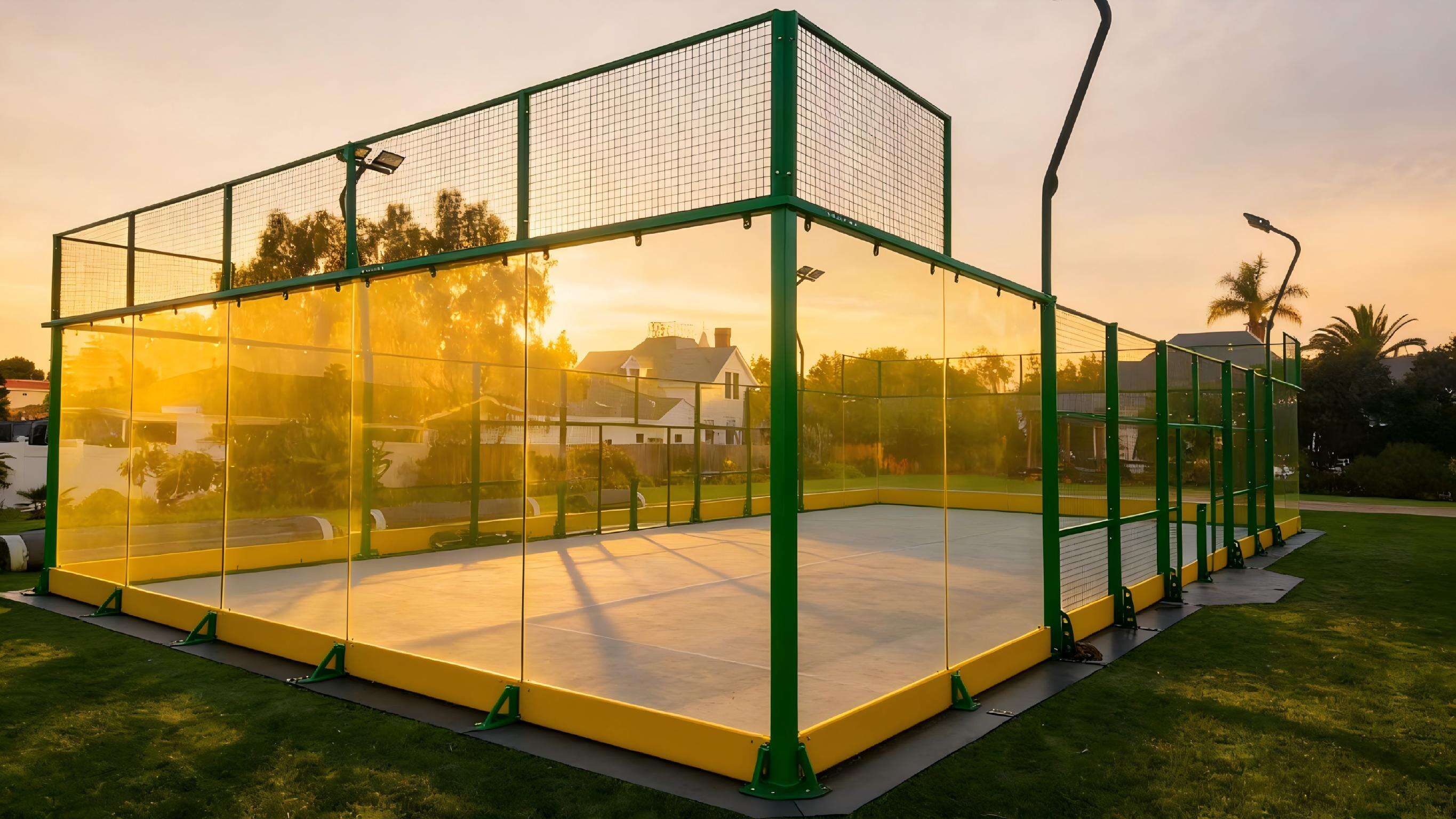
An integrated LED lighting setup works great for multiple sports at once, cutting down on energy costs by around 30 to 40 percent compared to having separate systems for each sport. The lights need to follow IES RP-20 standards, which basically means they should provide even lighting of about 50 foot candles across the playing surface. They also have to maintain good vertical lighting balance (around 1:3 ratio) so players don't get blinded by glare. Most important are those downward angled fixtures set at least 65 degrees from horizontal plus full cutoff shields that stop light spilling outside the facility. This helps keep the night sky dark and prevents annoying neighbors nearby. Putting poles centrally between courts makes installation much simpler too. And let's not forget about heat management since LEDs can lose brightness when it gets really hot in summer months. Plus, the instant restrike feature comes in handy for last minute changes to tournament schedules without waiting for bulbs to warm up first.
Perimeter Systems, Accessibility Pathways, and Drainage Integration Across Court Types
When it comes to building courts, standardized fencing around the perimeter really speeds things up and makes maintenance easier down the road. Most setups go with those standard 10 foot high fences that stop people from climbing over, plus gates that automatically close behind them. Both pickleball and padel courts need accessible entry points according to ADA standards, but they handle it differently. Pickleball areas typically require gentle 1:12 slope ramps for wheelchair access while padel courts need extra strong kick plates at the bottom of walls since balls hit there constantly during play. Getting drainage right is critical too. Courts should have a slight 1% slope across the surface so water flows properly into shared drains between different court areas. For padel courts built with all weather synthetic turf, special underground drainage systems are necessary. Meanwhile pickleball surfaces made from monolithic acrylic need expansion joints to prevent cracking when temperatures change. According to the latest Court Construction Index from 2024, getting all these systems working together can cut overall costs by about 22%. Plus, these integrated designs tend to last longer and need fewer repairs over time, which matters a lot for facility managers watching their budgets.