
 EN
EN


Padel Court Upgrades Reduce User Friction and Drive Attendance Growth
Global padel adoption surge creates demand for modern, accessible court infrastructure
The explosive growth of padel around the world has really taken off lately, with participation rates jumping about 25% every year since 2020. People who play are now looking for places that have proper surfaces, accurate court sizes, and designs that everyone can enjoy. Old courts just aren't cutting it anymore because they run out of space, the playing experience isn't consistent, and many folks find them hard to access. Upgrading facilities makes sense for all these problems at once. Wider walkways, paths that meet accessibility standards, and buildings that can be expanded when needed create spaces where more people feel welcome and safe. Clubs that get ahead of this trend will probably see more business coming their way. On the flip side, those waiting too long might watch their regulars drift away to other courts offering better experiences without all the hassle.
Key friction points—poor lighting, weather exposure, inconsistent surface quality—and how targeted Padel Court upgrades resolve them
Three persistent friction points erode satisfaction and suppress repeat usage:
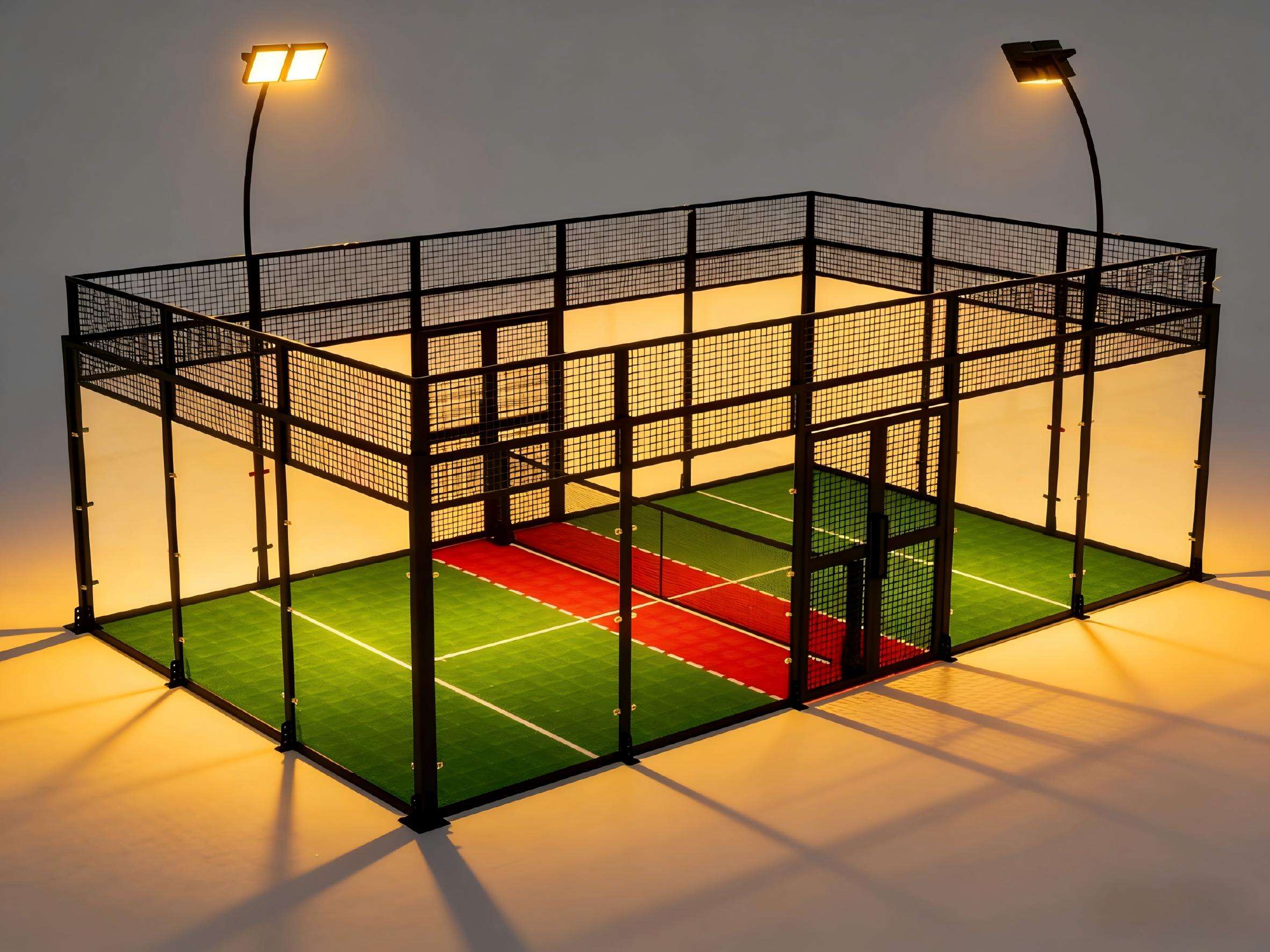
- Poor lighting impairs visibility and safety during evening sessions. LED court lighting delivers uniform illumination while cutting energy use by 60% versus legacy fixtures.
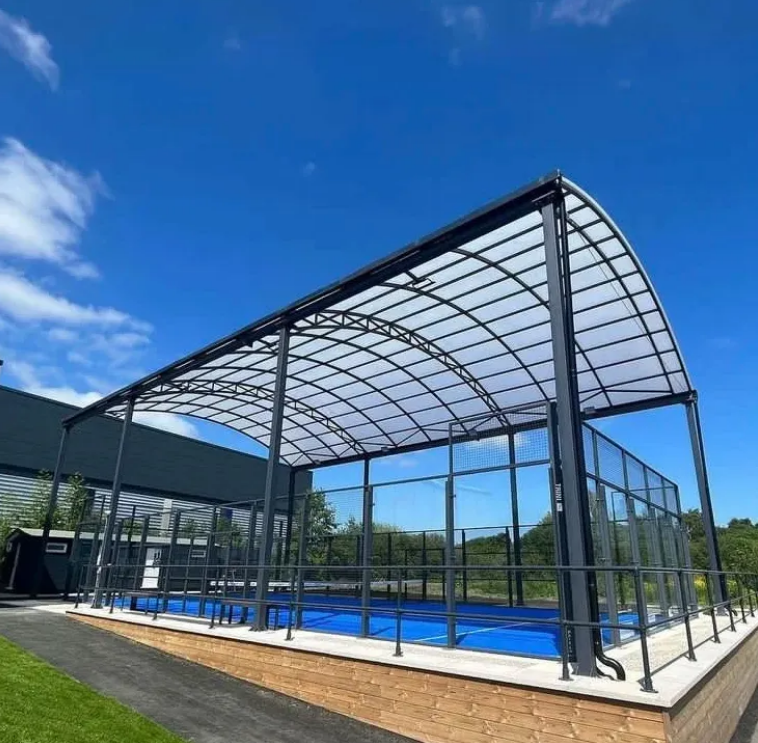
- Weather exposure drives frequent cancellations. Retractable roofs extend usability year-round—covered courts see 40% higher winter utilization.
- Inconsistent surfaces introduce unfair bounce variance and elevate joint injury risk. Professionally installed synthetic turf ensures predictable ball response and reduces impact stress by 30%.
These targeted upgrades collectively reduce booking cancellations by 35% at upgraded facilities. By stabilizing play conditions across time, temperature, and weather, they foster longer sessions, higher frequency, and measurable 27% attendance growth—proving that eliminating friction directly fuels sustainable facility usage.
How Enhanced Padel Court Offerings Improve Member Acquisition and Retention
'Padel stickiness': Why 73% of new members cite premium Padel Court access as their top retention factor
Today's players don't just want access to courts; they demand premium quality time on them. The real deal makers? Courts with consistent playing surfaces, good weather cover when needed, and proper lighting that doesn't flicker halfway through a match. Industry folks have started calling this combination "padel stickiness" because it really keeps people coming back. According to recent data from the European Sports Facilities Survey in 2024, around three quarters of new members cite these standards as why they stick around for the long haul. When facilities actually build these elements right into their day-to-day operations, membership drop-off rates drop significantly. Players keep showing up week after week for games that go smoothly without surprises, turning those occasional drop-ins into regular fixtures at the club.
Tiered membership models leveraging Padel Court priority booking and premium features to lift ARPU
Strategic tiering converts court quality into recurring revenue:
| Tier Level | Core Perks | ARPU Impact* |
|---|---|---|
| Standard | Basic court access | Baseline |
| Premium | Priority booking, LED lighting | +25–40% |
| Elite | VIP slots, climate-controlled surfaces | +60–80% |
*European Sports Facilities Survey 2024
By anchoring tiers to tangible court benefits—not abstract perks—facilities convert trial users into high-value subscribers. Priority booking alone increases peak-hour utilization by 17%, boosting revenue per user without requiring additional physical capacity.
Revenue Impact and ROI Timeline of Strategic Padel Court Investments
Hourly revenue comparison: Padel Court vs. tennis/squash courts (2.3× uplift, per European Sports Facilities Survey 2024)
Padel Courts deliver outsized financial returns. According to the 2024 European Sports Facilities Survey, they generate a 2.3× hourly revenue uplift over tennis and squash courts—driven by faster game turnover and higher player density (4 players per session versus tennis's 2–4 and squash's 2). The advantage compounds across daily operations:
| Revenue Metric | Padel Court | Tennis Court | Squash Court |
|---|---|---|---|
| Avg. hourly rate | €48–€62 | €22–€30 | €18–€25 |
| Players per session | 4 | 2–4 | 2 |
| Daily sessions | 8–10 | 4–6 | 5–7 |
This yields €380–€620 in daily revenue per Padel Court—significantly outpacing tennis (€88–€180) and squash (€90–€175). The differential isn't incidental; it reflects padel's inherent operational efficiency and broad demographic appeal.
Break-even analysis: Capex thresholds, utilization levers, and typical 12–18 month ROI for high-traffic facilities
Well-executed upgrades achieve breakeven in 12–18 months—provided operators activate three key levers: booking density, dynamic pricing, and membership integration. Mid-range installations cost €25k–€40k per court, with profitability unlocked at 55–65% weekly utilization—a threshold readily attainable using online booking systems that minimize downtime. Accelerated ROI is achieved by:
- Applying 20–30% peak-hour pricing premiums,
- Bundling court access with tiered memberships, and
- Converting 30%+ of casual users into recurring members.
Facilities targeting 70%+ utilization—through twilight leagues, corporate packages, or social tournaments—sustain revenue momentum well beyond initial payback, turning capital investment into enduring competitive advantage.
Padel Court Design as a Catalyst for Community Building and Brand Differentiation
Well thought out padel courts go beyond just being places to play games. They actually bring people together socially. When courts have good spots for spectators, built-in seating areas, and nearby lounges, folks tend to stick around after matches and chat. These spaces naturally create communities where regular players get to know each other, exchange advice about technique, and basically become advocates for the court without anyone asking them to. Studies from the leisure sector back this up too. People who feel connected to a facility as part of their own community are about 40 percent more likely to renew their memberships when their time runs out.
Distinctive design elements really stand out in crowded markets where everything looks the same. Think custom colors, artwork commissioned from local artists, or even eco-friendly materials like recycled synthetic turf these days. These touches create lasting impressions that connect with specific customer groups. According to some studies, places that put thought into their appearance see about a third more people talking about them compared to run-of-the-mill spots. When sports facilities are designed with both function and feeling in mind, they transform from just another place to play into something special. People remember the experience, come back again, and might even pay extra for it. This kind of thoughtful approach keeps businesses ahead of the competition over time.